The Chuseok holiday Korea guide is your essential resource for understanding one of the nation’s most significant annual celebrations. Often likened to Thanksgiving in Western cultures, Chuseok (추석) is a major harvest festival celebrated with family gatherings, ancestral rites, and an abundance of delicious traditional foods. Falling on the 15th day of the 8th month of the lunar calendar, this multi-day holiday sees millions of Koreans travel across the country to visit their hometowns, making it a truly unique cultural experience. Whether you’re a long-term resident, a first-time visitor, or simply curious about Korean traditions, preparing for Chuseok means understanding its rich history, customs, and practical considerations.
Table of Contents
- What is Chuseok? Understanding Korea’s Harvest Festival
- Traditional Chuseok Holiday Korea Guide: Customs and Rituals
- The Flavors of Chuseok: Essential Korean Holiday Foods
- Navigating the Chuseok Holiday: Travel and Traffic Tips
- Chuseok Celebrations: What to Do and See
- Modern Chuseok and Evolving Traditions in Korea
- Chuseok Holiday Korea Guide: FAQ
What is Chuseok? Understanding Korea’s Harvest Festival
Chuseok, also known as Hangawi (한가위), is one of Korea’s biggest and most important holidays. It’s a time for families to come together, give thanks to their ancestors for a bountiful harvest, and share festive meals. The holiday period typically spans three days, including the day before and the day after Chuseok itself.
Historical Roots and Significance
The origins of Chuseok are deeply rooted in agrarian traditions, dating back thousands of years. It was a time when communities celebrated the autumn harvest, offering newly harvested grains and fruits to their ancestors and local deities. This act of gratitude was believed to ensure prosperity and a good harvest in the coming year. The full moon on Chuseok night symbolizes abundance and good fortune, making it a central element of the festivities.
Key Dates and Observance
Chuseok falls on the 15th day of the 8th month of the lunar calendar. This means its Gregorian calendar date changes each year, typically landing in September or early October. For instance, in 2026, Chuseok falls on September 17th, with the official holiday period from September 16th to 18th. The observance involves a combination of ancestral rites, family feasts, and traditional games.
Traditional Chuseok Holiday Korea Guide: Customs and Rituals
The core of the Chuseok experience lies in its time-honored customs and rituals, which emphasize family respect and ancestral veneration. These practices are central to understanding the true spirit of the Chuseok holiday Korea guide.
Charye (Ancestor Memorial Rites)
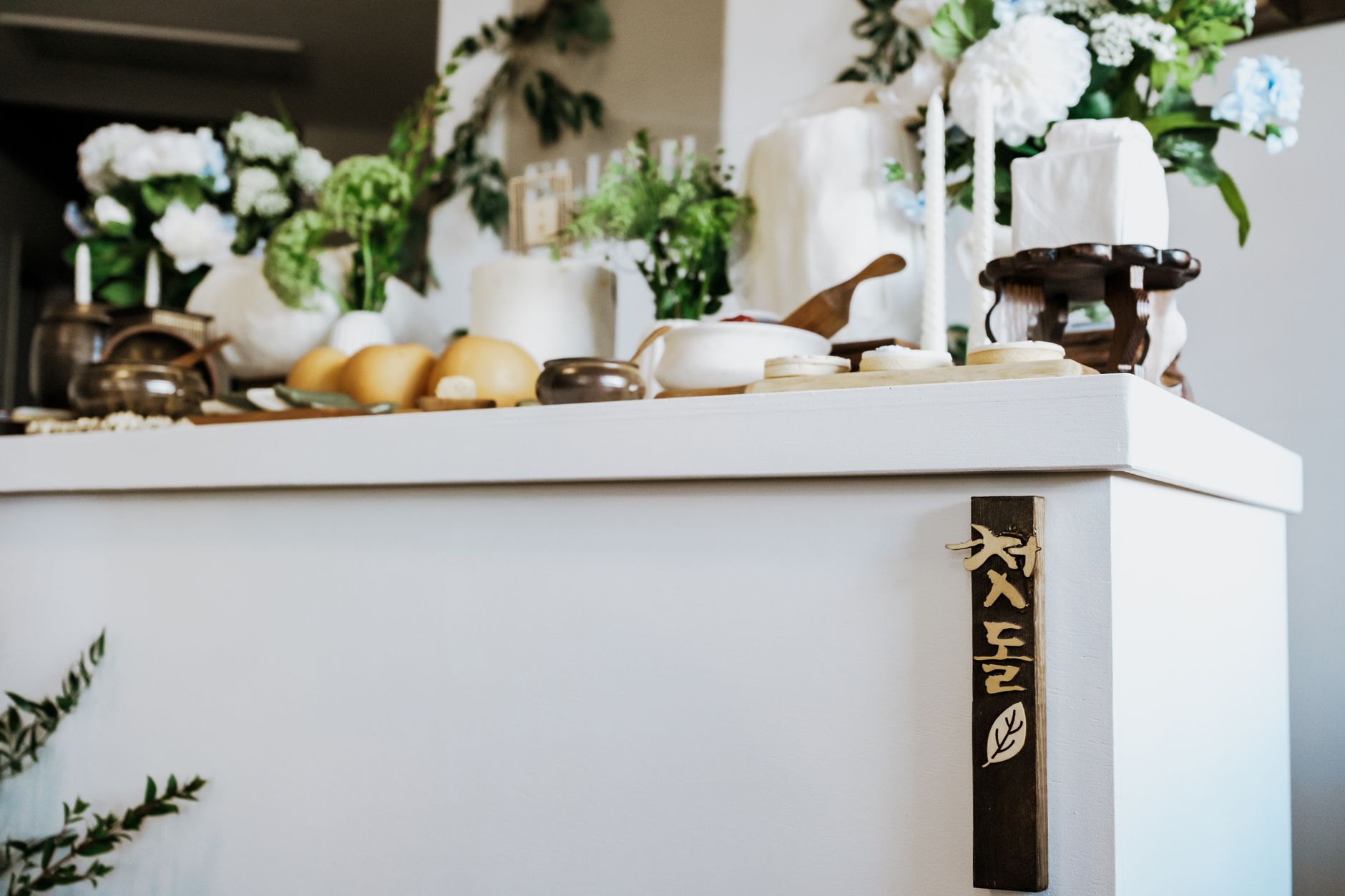
On the morning of Chuseok, families gather to perform Charye, a solemn ancestral memorial rite. This involves preparing a table laden with various dishes, including freshly harvested rice, fruits, and traditional foods, which are offered to ancestors. Family members bow deeply to show respect and gratitude. Many wear Korean traditional clothing hanbok for these ceremonies, adding to the formality and cultural significance.
Seongmyo and Beolcho (Visiting Ancestral Graves)
Another crucial tradition is Seongmyo, visiting ancestral graves, often combined with Beolcho, the act of clearing weeds from the grave sites. This demonstrates filial piety and ensures the ancestors rest peacefully. It’s common for families to travel long distances for this, highlighting the strong familial bonds in Korean culture. A 2023 survey by the Ministry of Culture, Sports and Tourism found that over 70% of Koreans planned to visit ancestral graves during Chuseok, underscoring its enduring importance.
Gift-Giving Culture
Gift-giving is an integral part of Chuseok, symbolizing respect and appreciation among family, friends, and colleagues. While practical gifts are common, the thought behind the gesture is paramount.
- Food items: Premium fruits (pears, apples), Hanwoo (Korean beef), dried seafood.
- Health products: Ginseng, vitamins, health supplements.
- Household goods: Cooking oil sets, shampoo/soap sets.
- Gift certificates: Department store or grocery vouchers.
The Flavors of Chuseok: Essential Korean Holiday Foods
Food plays an indispensable role in Chuseok, with families spending days preparing elaborate meals. The communal aspect of cooking and sharing these dishes is a highlight of the Chuseok holiday Korea guide.
Songpyeon: The Signature Rice Cake
No Chuseok celebration is complete without Songpyeon (송편). These crescent-shaped rice cakes are traditionally steamed over pine needles, giving them a distinct aroma and flavor. They are filled with various ingredients like sesame seeds, red beans, chestnuts, or honey. Legend has it that those who make beautiful Songpyeon will have beautiful children or a good spouse. Making Songpyeon together is a cherished family activity. For ingredients, check out our Korean grocery shopping guide.
Other Festive Dishes
Beyond Songpyeon, the Chuseok table overflows with an array of delicious dishes, each prepared with care and tradition. A 2022 survey by the Korea Rural Economic Institute indicated that families spend an average of 250,000 KRW (approx. $180 USD) on Chuseok food preparations.
| Dish Name | Description | Significance |
|---|---|---|
| Jeon (전) | Savory pancakes made with various ingredients like fish, vegetables, or meat, coated in flour and egg. | Symbolizes abundance and is a popular offering for ancestral rites. |
| Japchae (잡채) | Stir-fried glass noodles with vegetables and meat, seasoned with soy sauce and sesame oil. | A colorful and festive dish, representing prosperity. |
| Galbijjim (갈비찜) | Braised short ribs, often a centerpiece of the main meal. | A luxurious dish reserved for special occasions, signifying family wealth and status. |
| Sanjeok (산적) | Skewered meat and vegetables, grilled or pan-fried. | Another dish commonly offered during Charye, representing harmony. |
Navigating the Chuseok Holiday: Travel and Traffic Tips
One of the most defining characteristics of Chuseok is the massive exodus of people from urban centers to rural hometowns, often referred to as “the great migration.” This makes travel a significant challenge that any Chuseok holiday Korea guide must address.
The Great Migration
Millions of Koreans embark on journeys home, leading to severe traffic congestion on highways and fully booked train and bus tickets. Travel times can quadruple, turning a two-hour drive into an eight-hour ordeal. According to Statista, the number of domestic travelers during Chuseok in South Korea reached 32.2 million in 2022, underscoring the scale of this annual movement. Source: Statista
Essential Travel Planning for Tourists
For tourists, Chuseok can be a double-edged sword. While it offers a unique cultural immersion, it also means many businesses, including restaurants, shops, and even some public transportation, may operate on reduced hours or close entirely. Planning ahead is crucial.
- Book transportation early: Train (KTX) and bus tickets sell out weeks in advance. If you plan to travel, secure your tickets as soon as they become available. Our Korean public transportation guide can help you navigate options.
- Expect closures: Many small businesses and some tourist attractions will be closed on Chuseok day. Major department stores and larger chains usually remain open for part of the holiday.
- Consider staying in Seoul: While many locals leave, Seoul often has special events and some attractions remain open. It can be a quieter time to explore the capital.
- Pack snacks and essentials: With fewer shops open, having your own provisions is a good idea.
- Embrace the quiet: For those who don’t have family obligations, Chuseok can be a peaceful time to enjoy less crowded urban areas.
Chuseok Celebrations: What to Do and See
While many Koreans spend Chuseok with family, there are still plenty of opportunities for visitors and those without family obligations to experience the holiday spirit. This Chuseok holiday Korea guide highlights some options.
Public Events and Cultural Performances
Many palaces, folk villages, and museums offer special Chuseok programs, often with free admission or discounts. These can include traditional games like Ssireum (Korean wrestling), Ganggangsullae (traditional circle dance), and traditional craft workshops. The National Folk Museum of Korea and various royal palaces in Seoul are excellent places to check for such events. For up-to-date event listings, consulting the Korea Tourism Organization (KTO) website closer to the holiday is recommended.
Experiencing Chuseok as a Foreigner
For foreigners, Chuseok offers a unique window into Korean culture.
- Volunteer: Some community centers or organizations host events for foreigners to experience Chuseok traditions.
- Visit a temple stay: Many Buddhist temples offer special programs during holidays, providing a serene and immersive cultural experience.
- Explore international districts: Areas like Itaewon in Seoul often remain lively with diverse dining and entertainment options. You might even find some restaurants offering special Chuseok menus, though our Korean restaurant etiquette guide is always useful.
- Enjoy nature: National parks and hiking trails are often less crowded during the holiday, offering a chance to enjoy Korea’s beautiful autumn scenery.
Understanding the nuances of Korean seasonal festivals like Chuseok can greatly enrich your travel experience.
Modern Chuseok and Evolving Traditions in Korea
While deeply traditional, Chuseok is not immune to the forces of modernization. The Chuseok holiday Korea guide wouldn’t be complete without acknowledging how these traditions are adapting to contemporary Korean society.
Balancing Tradition with Modern Life
The younger generation, facing urban living, smaller families, and evolving social norms, often finds the traditional obligations of Chuseok challenging. The pressure to travel long distances, prepare elaborate meals, and endure sometimes awkward family interrogations about marriage or career is a common source of stress, leading to a phenomenon known as “holiday syndrome.” A 2021 study published in the Korean Journal of Family Welfare highlighted increasing levels of holiday-related stress, particularly among women. This ties into broader discussions about Korean work culture explained and work-life balance.
Social Impact and Changing Dynamics
The traditional patriarchal structure of Chuseok, where women often bear the brunt of holiday preparations, is slowly being challenged. More families are opting for simpler celebrations, dining out, or even traveling abroad during the holiday. This shift is reflected in changing consumer habits; a 2023 report by Bloomberg noted a trend towards increased spending on leisure activities and travel rather than solely on traditional gifts and food. Furthermore, the rise of “solo-honjok” (혼족) culture, where individuals prioritize personal well-being, contributes to a redefinition of holiday expectations. The National Institutes of Health (NIH) also provides insights into how holiday stress can impact mental and physical health, a relevant perspective given the pressures some Koreans face during Chuseok.
| Aspect | Traditional Chuseok | Modern Chuseok Trends |
|---|---|---|
| Celebration Location | Ancestral home (often rural) | Urban centers, hotels, international travel |
| Food Preparation | Home-cooked, extensive family effort | Catered meals, restaurant dining, simpler dishes |
| Gift Focus | Expensive food, health sets | Gift certificates, experiences, practical goods |
| Family Interaction | Large, multi-generational gatherings, strict rituals | Smaller gatherings, more relaxed interactions, “holiday syndrome” avoidance |
What is Chuseok in Korea?
Chuseok is one of Korea’s most important traditional holidays, often referred to as Korean Thanksgiving. It’s a harvest festival celebrated over three days, where families gather to give thanks to their ancestors for a bountiful harvest.
When is Chuseok celebrated?
Chuseok is celebrated on the 15th day of the 8th month of the lunar calendar. Its date on the Gregorian calendar changes annually, typically falling in September or early October. For example, in 2026, Chuseok is on September 17th.
What are the main traditions of Chuseok?
Key traditions include Charye (ancestor memorial rites), Seongmyo and Beolcho (visiting and cleaning ancestral graves), gift-giving, and sharing festive foods like Songpyeon (half-moon rice cakes).
What food is eaten during Chuseok?
The signature food is Songpyeon, a special rice cake. Other popular dishes include Jeon (savory pancakes), Japchae (stir-fried glass noodles), and Galbijjim (braised short ribs).
Can foreigners travel in Korea during Chuseok?
Yes, but with careful planning. Expect heavy traffic, fully booked transportation, and many shops/restaurants to be closed, especially on Chuseok day. Major cities like Seoul often have special events and some amenities remain open.
What should I do if I’m in Korea during Chuseok as a tourist?
Consider visiting royal palaces or folk villages for special cultural programs, explore less-crowded urban areas, or enjoy nature. Booking accommodations and transportation well in advance is crucial.
How long does the Chuseok holiday last?
The official Chuseok holiday typically lasts for three days, including the day before and the day after Chuseok itself, allowing ample time for travel and family gatherings.
Conclusion
The Chuseok holiday Korea guide reveals a deeply cherished cultural event, rich in tradition, family values, and delicious food. While it presents unique challenges for travelers due to the massive annual migration, it also offers an unparalleled opportunity to witness the heart of Korean culture. From solemn ancestral rites to joyous family feasts, Chuseok is a time for reflection, gratitude, and strengthening familial bonds. Embrace the spirit of this significant holiday, plan wisely, and immerse yourself in the warmth of Korean traditions. Start planning your Chuseok experience today for an unforgettable journey into Korea’s cultural soul!
Get in Touch
Have questions about your specific situation? Reach out anytime for a personal consultation.
Email: huh0303@gmail.com