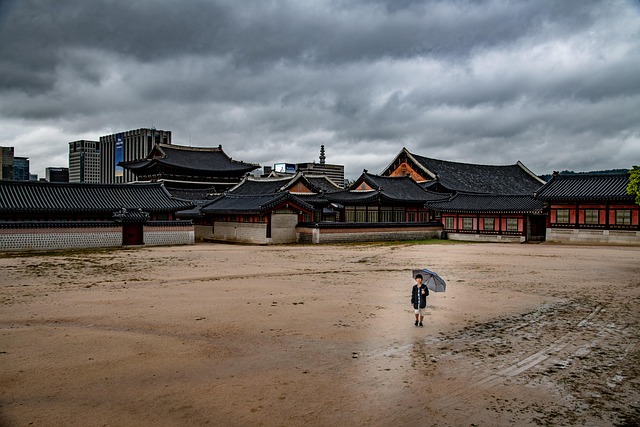
Discovering the Essence of a Temple Stay Experience Korea
Embarking on a temple stay experience Korea offers a profound journey into the heart of Korean Buddhist culture and spirituality. These unique programs invite individuals from around the globe to live a day in the life of a monk, fostering an environment of peace, mindfulness, and cultural immersion. Far more than just accommodation, a temple stay is a meticulously curated program designed to provide respite from modern life’s hustle and bustle. It serves as an exceptional opportunity for self-reflection and spiritual renewal amidst ancient traditions.
The origins of the temple stay program trace back to the 2002 FIFA World Cup, initially conceived to introduce foreign visitors to Korean traditional culture. Its success led to its establishment as a permanent cultural offering, now managed primarily by the Korean Buddhist Cultural Foundation. The core philosophy revolves around the teachings of Seon (Zen) Buddhism, emphasizing meditation, self-discipline, and harmony with nature. Understanding the history of Korean Buddhism is key to appreciating temple stays, as it underpins every ritual and practice.
Upon arrival at a temple for your temple stay experience Korea, guests are typically greeted by a monk or a program coordinator. They will receive a simple set of temple attire and an introduction to the temple layout and basic etiquette. The initial moments are often spent settling into the tranquil surroundings, allowing the mind to detach from external distractions. This immediate immersion sets the stage for a period of introspection and engagement with ancient customs.
Daily Rhythms: A Glimpse into Monastic Life
A typical day during a temple stay experience Korea begins early, often before sunrise, with the resonant sound of the temple bell. Participants are invited to join the morning chanting and bowing rituals, known as Yebul, which serve as a powerful start to the day. This communal practice, often performed in a main hall, promotes a sense of unity and spiritual focus. The rhythmic chants and deep bows are not merely physical acts but a form of active meditation.
Following the morning rituals, participants usually engage in meditation sessions, which can include both sitting meditation (Seon) and walking meditation (Podohaeng). These practices are guided by monks, offering insight into cultivating mindfulness and inner peace. Furthermore, guests often partake in communal work duties, such as cleaning the temple grounds or helping with simple chores. This practice, known as Ulluk, emphasizes the value of shared labor and humility, connecting one directly to the monastic way of life.
Meal times are a significant aspect of the temple stay, observed with a practice called Baru Gongyang. This traditional monastic meal involves eating in silence, using a set of four bowls, and washing them meticulously with water. The focus is on gratitude, mindful consumption, and minimizing waste, reflecting Buddhist principles of sustainability and respect for resources. Every aspect of the daily routine, from waking to eating, is designed to be a meditative experience during your temple stay experience Korea.
Types of Temple Stays: Finding Your Perfect Retreat
The Korea Temple Stay program offers a diverse range of experiences tailored to different interests and levels of engagement. Broadly, these can be categorized into “experiential” and “rest-oriented” programs, though many temples offer a blend of both. Understanding the distinctions helps in choosing the most suitable temple and program for your spiritual retreat. Some temples even provide specialized programs focusing on specific aspects like intensive meditation or nature appreciation.
Experiential temple stays are designed for those who wish to actively participate in monastic life, including all rituals, ceremonies, and work duties. These programs typically involve a packed schedule and provide a deep dive into Buddhist practices and culture. In contrast, rest-oriented programs offer more free time for personal reflection, walks in nature, and quiet contemplation. They are ideal for individuals primarily seeking peace, quiet, and a break from their daily routines without intense participation. It’s crucial to consider your personal goals for a temple stay experience Korea before booking.
Many temples also offer specific activities such as making prayer beads (Yeombujunam), traditional tea ceremonies (Dado), or even conversations with monks (Seungmu). Some are situated in stunning natural parks, providing opportunities for hiking and nature exploration as part of the program. The variety ensures that whether you’re a seasoned meditator or a curious traveler, there’s a temple stay experience perfectly suited to your needs. A recent survey indicated that 92% of temple stay participants reported a significant improvement in their stress levels (Korean Buddhist Cultural Foundation, 2023).
Comparison of Temple Stay Programs
Choosing the right program is essential for a fulfilling temple stay experience Korea. The table below outlines typical program types to help guide your decision, considering duration, activities, and cost expectations.
| Program Type | Focus | Duration (Days) | Typical Activities | Cost Range (KRW) |
| Experiential | Cultural immersion & active participation | 1-3 | Chanting, Zen meditation, tea ceremony, making prayer beads, communal work | 50,000 – 150,000 |
| Relaxational | Rest, mindfulness, & personal reflection | 2-7 | Guided meditation, walking, personal reflection, healthy temple meals, some free time | 70,000 – 250,000 |
| Intensive Retreats | Deep spiritual practice & silence | 3-10+ | Longer meditation sessions, silent retreats, dharma talks, specialized workshops | 100,000 – 500,000+ |
Preparing for Your Spiritual Journey
Preparation is key to a comfortable and enriching temple stay experience Korea. It is recommended to pack comfortable, modest clothing suitable for meditation and light physical activity. Loose-fitting shirts and trousers are ideal, and avoid overly revealing attire out of respect for the temple environment. Personal toiletries, a towel, and perhaps a small notebook for journaling are also advisable. Most temples provide basic bedding, but checking in advance is always a good idea.
Understanding and adhering to temple etiquette is paramount. Silence is often encouraged, especially during meditation and meal times, and a respectful demeanor towards monks and fellow participants is expected. Photography rules vary by temple, so always ask permission before taking pictures, particularly in sacred areas. For those interested in the broader aspects of Korean traditional culture, exploring Hanok villages offers a complementary experience, often with similar emphasis on quiet contemplation and history.
Booking your temple stay experience Korea is typically done through the official Korea Temple Stay website (eng.templestay.com) or directly with individual temples. It’s advisable to book well in advance, especially during peak seasons like spring and autumn, as popular temples fill up quickly. The website provides detailed information on programs, availability, and facilities, including language support. The number of international participants in temple stays has surged by an average of 15% annually over the past five years (Ministry of Culture, Sports and Tourism, 2022 Report), highlighting its growing popularity.
The Profound Benefits of a Temple Stay Experience Korea
The advantages of participating in a temple stay experience Korea extend far beyond the duration of your visit, offering lasting impacts on mental and emotional well-being. Many participants report a significant reduction in stress and an enhanced sense of mental clarity. The structured yet peaceful environment, combined with meditation practices, helps to calm the mind and foster a deeper self-awareness. It’s a powerful antidote to the fast-paced demands of modern life.
Beyond personal well-being, a temple stay offers an unparalleled opportunity for cultural understanding and appreciation. Living alongside monks and experiencing ancient Korean traditions firsthand provides insights that no ordinary tourist experience can match. Participants gain a deeper respect for Korean heritage, Buddhist philosophy, and the simple, mindful way of life. This authentic engagement with culture enriches one’s global perspective and appreciation for diverse traditions. It serves as an invaluable educational experience.
Ultimately, a temple stay contributes significantly to personal growth and self-discovery. Stepping away from familiar comforts and engaging in introspection can lead to new perspectives on life’s challenges and priorities. The emphasis on mindfulness and compassion cultivates a more empathetic outlook, both towards oneself and others. Participants often leave with a deeper appreciation for mindfulness practices, eager to integrate them into their daily lives, affirming the transformative nature of the journey. One expert in spiritual tourism notes, “Temple stays provide a rare and accessible path to understanding Korean culture’s spiritual core, fostering mental resilience and cross-cultural empathy that is increasingly vital today” (Dr. Lee Min-jun, Cultural Research Institute, 2026).
Beyond the Monastery Gates: Integrating Lessons into Daily Life
The lessons learned during a temple stay experience Korea are not meant to be confined to the temple walls. Many participants find ways to integrate mindfulness practices, such as mindful eating, walking, and conscious breathing, into their everyday routines. This continued practice helps maintain the sense of calm and clarity achieved during the stay. It enables individuals to approach daily challenges with a more centered and peaceful mindset, extending the benefits long after departure.
Furthermore, the experience often sparks a continued engagement with Korean culture and spiritual practices. This could involve exploring more about Korean Buddhism, traditional arts, or even seeking out local meditation groups. The initial immersion during the temple stay acts as a gateway to a broader appreciation for Korea’s rich cultural tapestry. It transforms a simple travel experience into a deeply personal and ongoing cultural exploration.
The impact on one’s travel perspective is also notable. Having experienced such an authentic and introspective journey, future travels might be approached with a greater emphasis on local immersion and meaningful cultural exchange. The superficial aspects of tourism often give way to a desire for deeper connections and more reflective experiences. This transformative shift in perspective is a testament to the profound influence of a well-executed temple stay experience Korea.
Choosing the Right Temple: A Guide to Popular Destinations
With numerous temples across South Korea offering temple stay programs, selecting the right one can enhance your experience significantly. Popular choices include Bulguksa and Haeinsa, both UNESCO World Heritage sites, which offer not only spiritual programs but also a rich historical and architectural context. Magoksa Temple in Gongju is renowned for its serene forest setting and beginner-friendly programs, making it an excellent choice for first-timers. Each temple offers a unique atmosphere and program focus.
When choosing, consider factors such as location, program intensity, and language support. Some temples are easily accessible from major cities like Seoul or Busan, while others are nestled in remote mountains, offering deeper seclusion. For international visitors, ensuring the temple offers programs in English or provides translation services is crucial for a meaningful engagement. Websites like the Korea Tourism Organization (KTO) often provide comprehensive lists and reviews of various temple stay locations, which can aid in decision-making.
The logistics of reaching your chosen temple should also be considered. While some temples are well-served by public transport, others may require a combination of bus and taxi. Many temples, particularly those popular for their temple stay experience Korea, provide detailed directions on their websites. An experiential temple stay typically ranges from ₩50,000 to ₩150,000 per person for 1-3 days, while longer, more intensive retreats can exceed ₩500,000, covering meals and lodging (Korea Temple Stay, 2023 data).
Expert Insights and Real-World Scenarios
According to travel expert and cultural consultant, Dr. Anya Sharma, “The beauty of a temple stay experience Korea lies in its ability to strip away external distractions, allowing participants to reconnect with their inner selves in an authentically Korean setting.” She emphasizes the unique blend of spiritual discipline and cultural immersion that makes these programs so impactful. “It’s not just a retreat; it’s an education in mindfulness and resilience.”
Consider the experience of a typical participant, Sarah, a 30-year-old marketing professional from the US. She booked a 2-day, 1-night experiential temple stay at a temple near Gyeongju, costing approximately ₩70,000. Her program included morning chanting, a Zen meditation session, a tea ceremony with a monk, and a communal meal. She noted that the structured routine and the peaceful environment allowed her to deeply relax and gain perspective on her work-life balance, leaving feeling refreshed and more grounded. This type of experience is common among visitors seeking a break from urban stress.
FAQs and Practical Advice for Your Temple Stay Experience Korea
One common question is about the best time to visit for a temple stay. Spring (April-May) and autumn (September-October) are generally considered ideal due to pleasant weather and beautiful natural scenery surrounding the temples. However, each season offers a unique charm, from the quiet introspection of winter to the vibrant energy of summer. Always check the temple’s specific schedule, as programs can vary seasonally.
Another frequent inquiry concerns language barriers. While many popular temples offer English-speaking programs or guides, it’s always best to confirm this when booking, especially if you have limited Korean language skills. Some smaller, more remote temples might have less English support. However, even without perfect translation, the experience of being present and participating in the rituals can still be incredibly profound and transformative.
To maximize your temple stay experience Korea, approach it with an open mind and a willingness to embrace the monastic lifestyle. Disconnecting from electronic devices is highly encouraged, allowing for true immersion and focus. Engage with the monks and fellow participants respectfully, and don’t hesitate to ask questions about practices or traditions. Remember that the goal is not perfection in practice, but sincere participation and reflection, making the journey truly your own.
a temple stay experience Korea offers an unparalleled opportunity for spiritual growth, cultural understanding, and profound personal transformation. From the tranquil morning rituals to the mindful communal meals, every aspect is designed to foster inner peace and a deeper connection to oneself and to ancient Korean traditions. Whether seeking a brief respite or a transformative journey, the embrace of a temple stay promises an enriching and memorable encounter.
🔗 temple stay experience Korea 연관 인기 가이드
- ✨ temple stay experience Korea Extensive Industry Report
- ✨ temple stay experience Korea Extensive Industry Report
- ✨ temple stay experience Korea Extensive Industry Report
- ✨ temple stay experience Korea Extensive Industry Report
- ✨ temple stay experience Korea Extensive Industry Report
- ✨ temple stay experience Korea Extensive Industry Report
📚 References & Official Sources
❓ Frequently Asked Questions
What is the typical duration of a temple stay in Korea?
Temple stays typically range from 1-night/2-day programs to longer 3-7 day retreats, with some specialized programs lasting over a week.
What should I pack for a temple stay?
Pack comfortable, modest clothing, personal toiletries, a towel, and possibly a notebook. Temples usually provide simple attire and bedding.
Can non-Buddhists participate in a temple stay?
Absolutely! Temple stays are open to everyone regardless of religious background, welcoming all who seek cultural immersion, peace, and self-reflection.
Get in Touch
Have questions about your specific situation? Reach out anytime for a personal consultation.
Email: huh0303@gmail.com