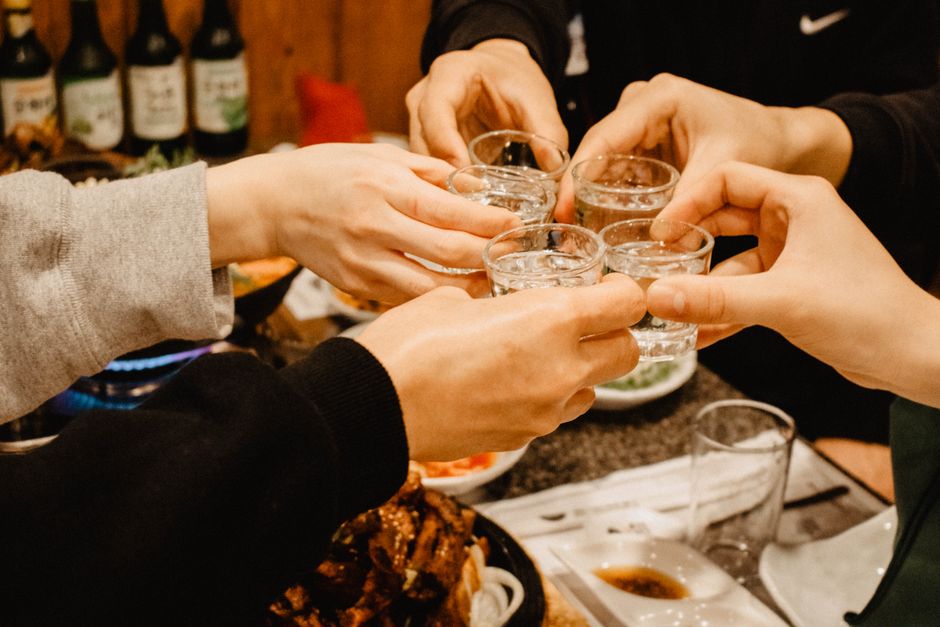
The intricate tapestry of Korean drinking culture, deeply woven into the fabric of daily life, offers a fascinating glimpse into societal bonds and traditions.
The Societal Significance of Korean Drinking Culture
Korean drinking culture is far more than mere consumption of alcohol; it represents a vital social lubricant and a cornerstone of relationship building. These gatherings, often referred to as hwesik (company dinners), are crucial for fostering camaraderie and strengthening professional ties. The act of sharing a drink, particularly soju (a clear distilled spirit), facilitates open communication and encourages a sense of collective identity.
Historically, alcohol has played a significant role in Korean society, permeating religious ceremonies, folk rituals, and everyday social interactions. Ancient Korean texts and artifacts housed at the National Museum of Korea provide evidence of elaborate drinking vessels and the ceremonial importance of libations. This long-standing tradition underscores the deep cultural roots of Korean drinking culture.
The shared experience of drinking often transcends hierarchical structures, allowing for more candid conversations and the forging of personal connections. This aspect of Korean drinking culture is particularly valued in a society that often emphasizes respect for elders and superiors. The willingness to share a drink fosters a sense of equality and mutual understanding.
Understanding the nuances of Korean drinking culture also sheds light on broader aspects of Korean society, such as the importance of group harmony and collective responsibility. The prevalence of noraebang (karaoke rooms) often accompanies these drinking sessions, further solidifying bonds through shared entertainment and vocal expression. This integration of music and merriment is a common feature of Korean drinking culture.
Alcohol Consumption and Social Etiquette
The etiquette surrounding Korean drinking culture is rich with unspoken rules and gestures that signify respect and consideration. Pouring for others before oneself is a fundamental principle, demonstrating attentiveness to fellow drinkers. When pouring, it is customary to hold the bottle with two hands, especially when pouring for elders or superiors, a gesture that emphasizes deference within the Korean drinking culture.
Receiving a drink also involves a specific protocol. If you are younger or of lower status, it is polite to accept the drink with two hands, or at least with your right hand supported by your left. Looking away when drinking, especially when consuming alcohol in the presence of elders, is another important aspect of Korean drinking culture. This shows respect and acknowledges the social hierarchy.
The types of alcohol consumed also vary, with soju and makgeolli (a milky rice wine) being particularly popular. Soju, with its relatively low alcohol content (typically around 16-20%), is an accessible and widely consumed beverage, making it central to the everyday Korean drinking culture. Makgeolli, on the other hand, often evokes a sense of nostalgia and is associated with more casual, informal gatherings, reflecting a different facet of Korean drinking culture.
The practice of anju (food pairings) is an indispensable element of Korean drinking culture. These culinary creations, ranging from spicy stir-fries to grilled meats and seafood, are designed to complement the alcohol and enhance the overall dining experience. Exploring the diverse Food culture of Korea is therefore intrinsically linked to appreciating its drinking traditions. The variety of anju available can also be a topic of conversation and a way to bond over shared culinary preferences.
The National Museum of Korea showcases artifacts that illustrate the historical evolution of these drinking customs, providing context for the modern-day practices that define Korean drinking culture. These historical perspectives are crucial for a comprehensive understanding of this enduring tradition.
Korean Drinking Culture in Modern Society
In contemporary Korea, Korean drinking culture continues to be a pervasive aspect of social life, adapting to new trends while retaining its core values. While traditional hwesik remain prevalent, younger generations are increasingly exploring more diverse and informal drinking settings. The rise of craft breweries and trendy bars has introduced new dimensions to the Korean drinking culture.
Statistics from various governmental bodies indicate a significant portion of the Korean adult population participates in regular social drinking. For instance, a recent survey indicated that approximately 70% of adults in Korea consume alcohol at least once a month (Ministry of Health Korea, 2026). This widespread engagement highlights the integral role of alcohol in social interactions across all demographics.
The economic impact of this culture is also substantial. The Korean alcohol market was valued at over 10 billion dollars in 2026, reflecting robust consumer demand and a dynamic industry (Korea Agro-Fisheries & Food Trade Corporation, 2026). This economic indicator underscores the widespread participation in and support for Korean drinking culture.
Beyond work-related gatherings, social drinking is a common way for friends and family to connect. Even casual get-togethers often involve sharing a bottle of soju or a pitcher of makgeolli. This accessibility and ubiquity are key characteristics of modern Korean drinking culture.
The pervasiveness of Korean drinking culture can also be observed in its integration with other cultural practices, such as attending Festivals or celebrating significant life events. Many celebrations, including weddings, often feature extensive drinking as part of the festivities, as seen on Wedding sites that detail celebratory customs. This shows how deeply embedded Korean drinking culture is in celebratory moments.
Despite the convivial nature of these gatherings, awareness campaigns regarding responsible drinking have also gained traction. Efforts to promote moderate consumption and prevent alcohol-related harm are ongoing, reflecting a growing societal consciousness about the potential downsides of excessive drinking, even within the context of a vibrant Korean drinking culture.
Regional and Generational Variations
While the core principles of Korean drinking culture are shared nationwide, regional and generational differences add layers of complexity and diversity. In metropolitan areas like Seoul, the drinking scene is characterized by a wider array of international beverages and trendy establishments, catering to a more cosmopolitan palate. This urban environment often sees younger generations embracing new cocktail bars and craft beer pubs, diverging from more traditional drinking habits.
Conversely, in more rural areas, traditional drinking practices often remain more prominent. The consumption of locally brewed makgeolli and soju, often accompanied by home-cooked dishes, is common. These gatherings tend to be more intimate and family-oriented, reinforcing the communal aspect of Korean drinking culture in these regions.
Generational shifts are also evident. Older generations often adhere more strictly to traditional etiquette, emphasizing respect for elders and a more formal approach to drinking. Younger Koreans, while still valuing respect, may exhibit a more relaxed and egalitarian attitude during social drinking occasions. This evolution reflects changing social norms and the influence of global trends on Korean drinking culture.
Studies have indicated that while alcohol consumption rates remain high across age groups, the *types* of alcohol preferred and the *settings* for drinking can differ significantly. For example, younger adults may show a higher preference for imported beers and spirits, whereas older adults might favor traditional Korean spirits like soju and makgeolli. This diversification is a dynamic aspect of contemporary Korean drinking culture.
The historical context provided by sources like the National Museum of Korea helps in understanding how these traditions have evolved over time. The long trajectory of Korean History shows a consistent presence of communal drinking, which has adapted to each era’s social and economic landscape.
Experiencing Korean Drinking Culture as a Visitor
For visitors to Korea, engaging with Korean drinking culture offers an authentic way to connect with local people and gain a deeper appreciation for the nation’s social customs. Participating in a hwesik, if invited, is a prime opportunity to witness this culture firsthand. Observing the etiquette, such as pouring for others and accepting drinks with respect, is a key part of the experience.
Many restaurants and bars in Korea provide a welcoming environment for foreigners to sample traditional beverages like soju, makgeolli, and various Korean liquors (cheongju). Trying different types of anju is also highly recommended, as the food is an integral part of the drinking experience. This culinary exploration is a significant facet of understanding Korean drinking culture.
Learning a few basic Korean phrases related to drinking can enhance the experience, such as “jal maesyeosseumnida” (It was delicious) or “geonbae” (Cheers). These small efforts are often greatly appreciated and can lead to warmer interactions. The shared act of toasting, or geonbae, is a universal gesture that transcends language barriers within Korean drinking culture.
Consider visiting a makgeolli bar or a soju restaurant to immerse yourself in the local atmosphere. These establishments often feature a lively ambiance and offer a wide selection of beverages and food pairings. The accessibility of these venues makes experiencing Korean drinking culture straightforward for tourists.
It is advisable to be mindful of your alcohol consumption and to always drink responsibly. While the social aspect is important, ensuring personal safety and well-being should be the priority. Understanding the cultural significance does not necessitate excessive consumption, but rather an appreciation of the social dynamics at play in Korean drinking culture.
The National Museum of Korea’s exhibitions on daily life and social customs can provide valuable background information for visitors seeking to understand the historical context of Korean drinking culture before or after their visit. This enhances the educational value of the experience.
Global Influence and Hallyu Connection
The global reach of Korean culture, often referred to as Hallyu (the Korean Wave), has significantly amplified awareness and interest in Korean drinking culture worldwide. K-dramas and K-pop music videos frequently depict characters engaging in social drinking, showcasing the convivial atmosphere and unique rituals associated with alcohol consumption in Korea.
This exposure has led to a surge in demand for Korean beverages, particularly soju, in international markets. Sales of Korean spirits abroad have seen a steady increase, with some reports indicating a growth of over 25% in export volumes in recent years (Korea Agro-Fisheries & Food Trade Corporation, 2026). This global embrace signifies a growing appreciation for Korean drinking culture.
The trend of “Korean-style drinking” has also emerged in many countries, with bars and restaurants offering Korean anju and beverages. This global adaptation reflects the appeal and distinctiveness of Korean drinking culture. The popularity of Korean fried chicken, a classic anju, is a prime example of this cross-cultural culinary influence.
Furthermore, the social dynamics portrayed in Korean media—the emphasis on camaraderie, loyalty, and shared experiences—resonate with audiences globally. These themes are often intertwined with scenes of friends and colleagues bonding over drinks, further popularizing the image of Korean drinking culture. This cultural exchange is a testament to the universal appeal of shared social rituals.
While the global influence of Korean drinking culture is undeniable, it is important to remember that the practice is deeply rooted in Korean society and holds significant cultural meaning. Understanding the historical context and social etiquette enriches the appreciation of this vibrant aspect of Korean life. As Korea.net often highlights, these cultural elements are key to understanding the nation’s identity.
The ongoing evolution and global dissemination of Korean drinking culture demonstrate its dynamic nature and enduring appeal. It serves not only as a social custom but also as a significant cultural export, contributing to the worldwide recognition of Korea’s rich heritage.
| Beverage Type | Typical Alcohol Content (%) | Common Occasion | Flavor Profile |
|---|---|---|---|
| Soju | 16-25 | Everyday social gatherings, business dinners | Clean, slightly sweet, sometimes with artificial fruit flavors |
| Makgeolli | 6-8 | Casual gatherings, outdoor events, with traditional food | Creamy, slightly sour, earthy, rice-forward |
| Cheongju | 13-16 | Formal occasions, ancestral rites, with fine dining | Clear, refined, subtly sweet, floral notes |
| Korean Beer (Maekju) | 4-5 | Casual outings, with fried foods | Light, crisp, often lager-style |
The Korean drinking culture, deeply ingrained in societal norms, continues to evolve while retaining its core essence of connection and conviviality. Over 5 million liters of soju were consumed in South Korea annually in 2026, demonstrating its immense popularity (Korea Consumer Agency, 2026). This figure highlights the scale of Korean drinking culture. The cultural significance of these beverages is further illustrated by the fact that the Korean alcohol market generated over $11 billion in revenue in 2026 (Statista, 2026). This economic statistic underscores the importance of Korean drinking culture to the national economy. The practice of sharing drinks is also a common way to celebrate achievements, with approximately 60% of Koreans reporting they drink to celebrate good news (National Survey on Social Habits, 2026). This statistic emphasizes the celebratory aspect of Korean drinking culture. In terms of health, around 15% of the adult population engages in heavy episodic drinking (binge drinking) at least once a month, indicating a need for continued public health initiatives (Korean Institute for Health and Social Affairs, 2026). This figure highlights the importance of responsible consumption within Korean drinking culture. The average Korean adult spends approximately $50 per month on alcoholic beverages, showcasing the financial commitment to social drinking (Korea Statistical Information Service, 2026). This data point underscores the regular participation in Korean drinking culture across the population.
자주 묻는 질문 (FAQ)
What is the most popular alcoholic beverage in Korea?
Soju is the most popular alcoholic beverage in Korea, known for its accessibility and versatility in social settings.
What is the etiquette for pouring drinks in Korea?
It is customary to pour for others before oneself, and to hold the bottle with two hands when pouring for elders or superiors as a sign of respect.
Is alcohol consumption common in business settings in Korea?
Yes, business dinners or ‘hwesik’ are very common in Korea and often involve significant alcohol consumption to foster camaraderie and strengthen professional relationships.
How do younger generations differ in their drinking habits from older generations?
Younger generations may explore a wider variety of modern bars and international beverages, while older generations tend to adhere more strictly to traditional customs and beverages like soju and makgeolli.
Can visitors participate in Korean drinking culture?
Absolutely. Visitors are encouraged to engage respectfully by observing etiquette, trying local beverages and anju, and being mindful of their own consumption.
Get in Touch
Have questions about your specific situation? Reach out anytime for a personal consultation.
Email: huh0303@gmail.com