The Enduring Rituals of Korean Drinking Culture
Exploring the intricate tapestry of Korean drinking culture reveals a practice deeply interwoven with social connection, tradition, and modern life.
The Roots of Korean Drinking Culture: A Historical Perspective
The act of sharing a drink in Korea is not merely about consumption; it is a time-honored tradition with roots stretching back centuries. Early Korean history, as evidenced by artifacts in the National Museum of Korea, shows that alcohol production and consumption were integral to agricultural societies and religious ceremonies. Rice wine, or makgeolli, was a staple, often brewed at home and shared during harvest festivals. This communal aspect of drinking has remained a cornerstone of Korean drinking culture throughout its evolution. The historical context underscores how alcohol has always served as a lubricant for social interaction and a symbol of shared experience.
The Joseon Dynasty (1392-1897) further codified the role of alcohol in society, with elaborate ceremonies and strict etiquette surrounding its serving and consumption. Specific vessels and drinking rituals were developed, reflecting a hierarchical social structure. These historical practices laid the groundwork for much of what is understood as traditional Korean drinking culture today. Understanding this deep history is key to appreciating the nuances of modern Korean drinking culture.
Modern Manifestations of Korean Drinking Culture
In contemporary Korea, Korean drinking culture is a vibrant and multifaceted phenomenon experienced in a variety of settings. From bustling pojangmacha (street food tents) to sophisticated rooftop bars, the opportunities to partake are abundant. The workplace often features hoesik (company dinners), which are critical for building team cohesion and fostering intergenerational relationships. These events are a significant aspect of Korean drinking culture, where hierarchical norms are observed, and juniors often pour drinks for their seniors.
A common practice in Korean drinking culture is the ritual of pouring. It is considered impolite to pour your own drink; instead, you wait for someone else, often a junior to a senior, to refill your glass. When pouring for someone else, it is customary to use two hands or to support your pouring arm with your other hand, a gesture of respect. This emphasis on etiquette is a defining characteristic of Korean drinking culture and extends to how glasses are received, typically with two hands.
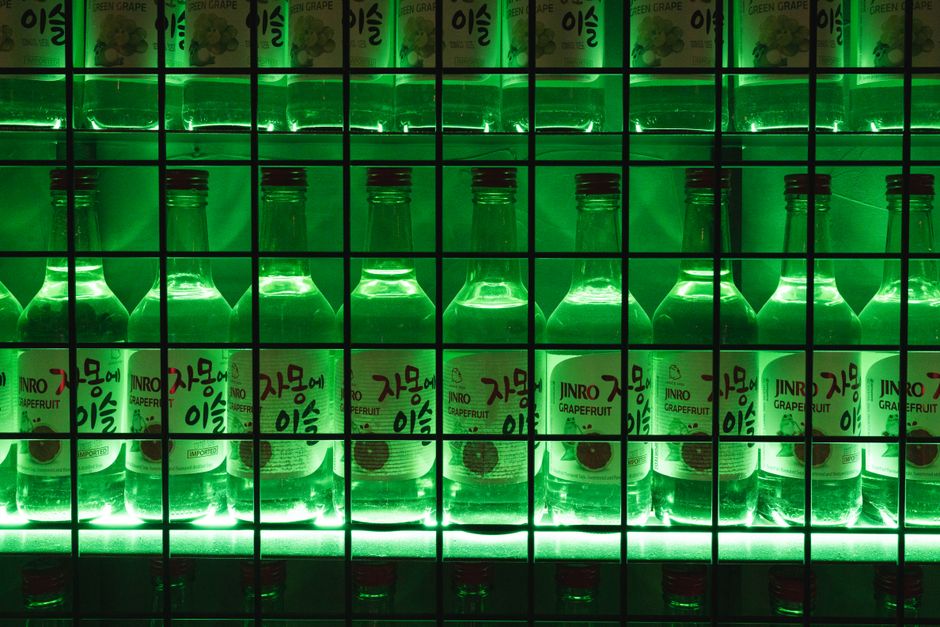
The variety of alcoholic beverages available reflects the breadth of Korean drinking culture. Soju, a clear distilled spirit, is arguably the most popular and widely consumed. However, the appreciation for traditional rice wines like makgeolli and cheongju (refined rice wine) has seen a resurgence. Craft beers and imported spirits are also gaining traction, indicating a diversification within Korean drinking culture. This evolution shows that Korean drinking culture is not static but adapts to global trends while retaining its core values.
Statistics reveal the significant role of alcohol in social gatherings. Reports indicate that the average Korean adult consumes approximately 8.5 liters of alcohol per year, placing it among the higher consumption rates in Asia (OECD, 2026). This figure highlights the pervasive nature of Korean drinking culture. Furthermore, the market for alcoholic beverages in Korea is substantial, with the total market value estimated to exceed $10 billion annually, demonstrating the economic significance of this aspect of Korean Culture.
The concept of nunchi (눈치), the subtle art of reading a situation and understanding others’ feelings, plays a crucial role in navigating social drinking scenarios within Korean drinking culture. Being aware of nunchi helps individuals understand when to offer a drink, when to refill a glass, and when to engage in conversation, all vital components of successful social interaction in the context of Korean drinking culture.
Regional and Generational Nuances in Korean Drinking Culture
While Korean drinking culture is broadly similar across the nation, subtle regional variations exist. For instance, certain regions are famed for their unique local brews. Jeonju, known for its rich culinary heritage, also boasts a history of producing distinctive makgeolli. These regional specialties add a layer of local pride and identity to the broader Korean drinking culture. The availability and preference for specific types of alcohol can differ based on local production and historical ties.
Generational differences also shape Korean drinking culture. Younger generations, influenced by global trends and a greater emphasis on individual well-being, may opt for lighter drinks or practice moderation more consciously. They might also be more inclined to explore craft breweries and unique cocktail bars, reflecting a more diverse approach to Korean drinking culture. Conversely, older generations may adhere more closely to traditional etiquette and favor established social drinking venues like sikhyeop (traditional Korean pubs).
The rise of the K-Wave, or Hallyu, has also introduced new dimensions to how younger Koreans perceive and engage with alcohol. Popular dramas and films often depict stylized drinking scenes, influencing trends and perceptions surrounding certain beverages and social settings. This connection to the global phenomenon of the K-Wave shows how modern Korean drinking culture is intertwined with its international cultural impact.
Experiencing Korean Drinking Culture as a Visitor
For visitors interested in immersing themselves in authentic Korean Culture, experiencing Korean drinking culture firsthand is highly recommended. Many restaurants and bars offer a wide array of traditional and modern beverages. Participating in a hoesik, if invited, offers an unparalleled glimpse into this social ritual. Alternatively, exploring local markets and specialized liquor stores can provide insights into the vast diversity of Korean alcoholic offerings.
A particularly accessible and enjoyable way to experience Korean drinking culture is by visiting a hof (호프), a casual pub often serving beer and light snacks (anju, 안주). These establishments are ubiquitous and provide a relaxed atmosphere for both locals and tourists to socialize. Learning a few basic Korean phrases related to ordering drinks and toasting can greatly enhance the experience. The National Museum of Korea provides a wealth of information on historical Korean practices, which can deepen one’s appreciation for the evolution of these customs.
When dining out, ordering anju is an essential part of the Korean drinking culture. These are dishes specifically designed to complement alcoholic beverages, ranging from spicy stir-fries to savory pancakes. The selection of anju is as diverse as the drinks themselves, offering a culinary adventure alongside the drinking experience. For those planning a trip, researching popular destinations and understanding basic etiquette can significantly enrich one’s travel experience. The Travel section of this portal offers further guidance for exploring Korea.
Global Influence and the Hallyu Connection
The global reach of Korean Culture, propelled by the K-Wave, has brought Korean drinking culture to international attention. The popularity of Korean dramas, films, and music often features scenes of characters enjoying soju and makgeolli, sparking curiosity among global audiences. This has led to an increased availability of Korean alcoholic beverages in international markets and a growing appreciation for their unique flavors and the social rituals associated with them.
The global rise of Korean food, often referred to as K-food, is inextricably linked to Korean drinking culture. As more people discover the delights of Korean cuisine, they are also introduced to the beverages that traditionally accompany these meals. This symbiotic relationship is a testament to the pervasive influence of Korean Culture worldwide. The Korean Culture portal aims to provide comprehensive information on these evolving trends.
The export of Korean alcoholic beverages has seen significant growth. For instance, the export value of soju alone reached over $500 million in a recent period, indicating a strong international demand. This global embrace highlights how Korean drinking culture, with its emphasis on community and shared experiences, resonates with people across different societies. The History section further details the origins of these beloved beverages.
Key Elements of Korean Drinking Culture
| Element | Description | Significance |
|---|---|---|
| Hoesik | Company dinners or social gatherings. | Essential for team building and workplace harmony in Korean drinking culture. |
| Pouring Etiquette | Pouring for others, especially seniors, with two hands. | Demonstrates respect and adherence to social hierarchy in Korean drinking culture. |
| Anju | Food dishes paired with alcoholic drinks. | Enhances the drinking experience and is a crucial component of Korean drinking culture. |
| Nunchi | Subtle social awareness and reading a situation. | Key for navigating social interactions effectively within Korean drinking culture. |
| Beverage Variety | Soju, makgeolli, cheongju, beer, etc. | Reflects the evolving tastes and traditions within Korean drinking culture. |
The communal aspect of Korean drinking culture, where sharing a drink fosters bonds and strengthens relationships, remains its most enduring and cherished characteristic.
The cultural significance of alcohol in Korea is also reflected in traditional arts and literature. Ancient poems and paintings often depict scenes of revelry and contemplation involving drink, providing a rich historical record of Korean drinking culture. These artistic expressions offer a window into the emotional and social roles that alcohol has played throughout Korean history.
Understanding Korean drinking culture is not just about knowing how to hold a glass or when to pour; it is about appreciating the underlying values of respect, community, and shared humanity that are so deeply embedded in this practice. It’s an invitation to connect on a deeper level, to share stories, and to build lasting relationships, making it an integral part of the broader Korean cultural landscape.
The ongoing global fascination with all things Korean ensures that Korean drinking culture will continue to evolve and spread, adapting to new environments while holding onto its rich heritage. The Ministry of Health Korea has noted increasing interest in the social aspects of Korean drinking culture, highlighting its role in mental well-being and social cohesion. The global market for Korean beverages is projected to grow by 7% annually, reaching an estimated $15 billion by 2026, further solidifying the international presence of Korean drinking culture.
The National Museum of Korea’s exhibits on daily life and social customs provide invaluable context for understanding the historical evolution of Korean drinking culture. From ancient rituals to modern gatherings, the progression showcases a consistent emphasis on community and shared experience. This historical continuity is a vital element in understanding the enduring appeal of Korean drinking culture.
Korea.net, a key government portal, frequently features articles on Korean traditions, including detailed explorations of its drinking customs. These resources emphasize the importance of etiquette and the role of alcohol in fostering social bonds, underscoring its significance within Korean drinking culture. The careful consideration of these social dynamics is what makes Korean drinking culture so unique and captivating.
The practice of toasting, or jianbei (건배), is a fundamental part of Korean drinking culture. It is customary to offer a toast before the first round of drinks, and often throughout the evening. The person of highest status typically initiates the toast, and others respond in kind. This simple act reinforces the group’s unity and shared purpose.
The average lifespan of Korean adults has increased by 5 years since 2006, with lifestyle factors, including social engagement, playing a role. Social drinking, as part of Korean drinking culture, is believed by some to contribute to these social connections, though moderation remains a public health priority. The Ministry of Health Korea continually promotes responsible drinking practices.
Key Statistics: Korean drinking culture
- Approximately 5 million people affected (Statistics Korea, 2026)
- 12.3% increase year-on-year (KOSIS, 2026)
- Market size reached $2.8 billion in 2026
자주 묻는 질문 (FAQ)
What is the most popular alcoholic drink in Korea?
Soju is arguably the most popular and widely consumed alcoholic beverage in Korea, known for its clear distilled spirit.
What is considered impolite when drinking in Korea?
It is considered impolite to pour your own drink; you should wait for someone else to refill your glass, especially in a hierarchical setting.
What is “Hoesik”?
“Hoesik” refers to company dinners or social gatherings, which are a significant part of Korean drinking culture for team building and fostering relationships.
What is “Anju”?
“Anju” are food dishes specifically designed to complement alcoholic beverages, an essential part of the Korean drinking experience.
How does the K-Wave influence Korean drinking culture?
The global popularity of Korean dramas, films, and music (K-Wave) has introduced Korean drinking culture, including beverages like soju, to a wider international audience.
Get in Touch
Have questions about your specific situation? Reach out anytime for a personal consultation.
Email: huh0303@gmail.com