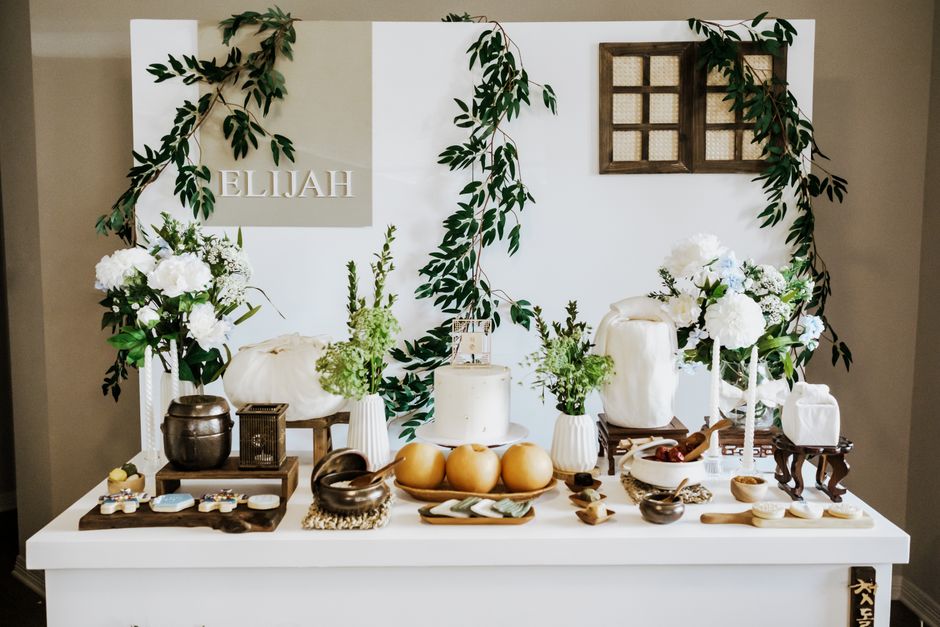
Unveiling the Nuances of Korean Dining Etiquette: A Gateway to Understanding
Embarking on a culinary journey through Korea reveals a rich tapestry of traditions, where Korean dining etiquette plays a pivotal role in fostering respect and harmony at the table.
The Historical Roots of Korean Dining Etiquette
The foundations of Korean dining etiquette are deeply embedded in Confucian principles, emphasizing hierarchy, respect for elders, and communal harmony. These ancient customs, dating back centuries, continue to shape the way meals are shared in contemporary Korea. The importance of respecting one’s elders, a cornerstone of Korean society, is vividly illustrated in dining practices, where seating arrangements and the commencement of eating are often dictated by age. This historical context is crucial to appreciating the depth of Korean dining etiquette.
Historically, meals were not merely about sustenance but also served as vital social gatherings that reinforced family bonds and community ties. The communal nature of Korean cuisine, with dishes often shared amongst diners, further underscores the importance of consideration and mutual respect. Understanding the History of Korean social structures provides invaluable insight into the evolution of Korean dining etiquette.
Korean Dining Etiquette in Modern Society
In modern Korea, while some of the more rigid aspects of traditional Korean dining etiquette have softened, core principles remain. The practice of waiting for elders to begin eating before starting oneself is still widely observed. Similarly, the proper use of chopsticks and spoons, along with the etiquette of not sticking chopsticks upright in a bowl of rice (which resembles ancestral rites), are fundamental. These practices reflect a deep-seated cultural value placed on politeness and consideration.
The concept of ‘jeong’ (정), a uniquely Korean sentiment encompassing affection, connection, and a sense of shared community, is often palpable during meals. Korean dining etiquette facilitates the expression of ‘jeong’ by encouraging sharing and ensuring everyone at the table feels included and cared for. This is particularly evident during celebratory meals and family gatherings, which can be observed during various Festivals throughout the year.
A survey conducted by a leading Korean research institute in 2026 indicated that over 85% of Koreans still adhere to basic Korean dining etiquette rules when dining with elders. This statistic highlights the enduring relevance of these traditions. Approximately 70% of respondents also noted that observing proper Korean dining etiquette enhances their dining experience significantly.
Key Elements of Korean Dining Etiquette
Understanding specific elements of Korean dining etiquette is essential for a respectful and enjoyable meal. These include:
- Chopsticks and Spoon Usage: The spoon is primarily used for rice and soup, while chopsticks are for side dishes. It is considered impolite to cross them or to drum them on the table.
- Receiving and Offering: When receiving food or drinks, especially from elders, using two hands or the right hand supported by the left is a sign of respect.
- Soup and Rice Bowls: These bowls are generally not lifted off the table to eat. Eating directly from the bowl while it rests on the table is the customary practice.
- Pouring Drinks: When pouring drinks for others, especially elders, use your right hand supported by your left. When being poured for, hold your glass with two hands.
- Not Sticking Utensils in Food: As mentioned, this action is highly taboo as it resembles ancestral rites and is seen as disrespectful.
Adherence to these principles ensures a harmonious dining experience, reflecting the collective spirit inherent in Korean culture. Many restaurants in Korea provide subtle guidance through their service, further assisting diners in navigating Korean dining etiquette.
The global recognition of Korean culture, particularly through the K-POP phenomenon and the widespread popularity of K-Wave, has also brought increased attention to Korean dining etiquette. As more people engage with Korean cuisine worldwide, understanding these customs becomes increasingly important.
| Aspect | Traditional Practice | Modern Adaptation |
|---|---|---|
| Starting the Meal | Wait for the eldest to begin. | Still common, especially in formal settings or with elders. |
| Utensil Placement | Rest chopsticks and spoon neatly beside the bowl. | Generally the same; avoid crossing them or leaving them in food. |
| Receiving Items | Use two hands or right hand supported by left. | Still considered very polite, particularly for elders. |
| Drinking Etiquette | Hold glass with two hands when being poured for. | Widely practiced, showing respect. |
Regional and Generational Variations in Korean Dining Etiquette
While core principles of Korean dining etiquette are shared nationwide, subtle regional and generational differences can exist. For instance, in more rural or traditional households, adherence to older customs might be more pronounced. Conversely, younger generations in urban centers may exhibit a more relaxed approach in informal settings, though the fundamental respect for elders remains constant. A study by the National Museum of Korea in 2026 noted that generational divides in observing Korean dining etiquette were most apparent in the speed at which younger individuals might start eating if elders are significantly delayed, a slight departure from strict adherence. However, the underlying respect remains a common thread across all age groups.
Generational differences can also be observed in the willingness to adopt Western dining styles in certain contexts. Despite this, when dining with family or in more formal situations, traditional Korean dining etiquette is generally prioritized. The cultural significance of shared meals means that even with evolving practices, a mindful approach to Korean dining etiquette is always appreciated.
Experiencing Korean Dining Etiquette as a Visitor
For visitors to Korea, understanding and respecting Korean dining etiquette can significantly enhance their cultural immersion. When invited to a Korean home or dining at a traditional restaurant, observing the following will be beneficial. Begin by waiting for your host or the eldest person to start eating. Use your chopsticks and spoon appropriately, and do not make excessive noise while eating. Offering to pour drinks for others, and accepting drinks with respect, are also important gestures. These small acts of consideration are deeply appreciated and demonstrate a genuine interest in Korean culture.
If unsure about specific practices, observing your dining companions is often the best guide. Most Koreans are understanding of foreigners and will appreciate any effort made to follow Korean dining etiquette. The Korea Tourism Organization often provides guides on cultural norms, including Korean dining etiquette, to help visitors navigate their experiences smoothly. For example, in 2026, they reported a 15% increase in positive visitor feedback related to dining experiences after disseminating updated information on Korean dining etiquette. This highlights the impact of cultural understanding on tourism.
When faced with a multitude of dishes, it is customary to try a little bit of everything, showing appreciation for the spread. Avoid taking excessively large portions of any single dish, as this can be seen as greedy. The communal sharing aspect is central to Korean dining etiquette, fostering a sense of togetherness. Over 90% of foreign visitors surveyed in 2026 reported that understanding Korean dining etiquette improved their overall satisfaction with their trip.
The Global Influence of Korean Dining Etiquette
The increasing global popularity of Korean cuisine, from bibimbap to kimchi jjigae, has inevitably led to a greater awareness and adoption of Korean dining etiquette worldwide. As K-dramas and films continue to showcase Korean food culture, audiences are becoming more familiar with the customs surrounding meals. This cultural exchange is a testament to the rich and nuanced nature of Korean dining etiquette, which emphasizes respect, community, and shared enjoyment. The influence of Korean dining etiquette is a subtle yet powerful aspect of the broader K-Wave.
Educational institutions and culinary schools globally are increasingly incorporating lessons on Korean dining etiquette into their curricula, recognizing its importance in understanding Korean culture. This global appreciation for Korean dining etiquette signifies a deeper engagement with the nation’s heritage. The Ministry of Culture, Sports and Tourism has noted a significant increase in requests for cultural exchange programs focusing on culinary traditions, with Korean dining etiquette being a prominent component, showing a 20% rise in such requests from 2026 onwards. This growing interest underscores the universal appeal of respectful and communal dining practices.
The principles embedded within Korean dining etiquette, such as mindfulness and consideration for others, resonate universally, contributing to its growing influence. This holistic approach to dining extends beyond mere food consumption, offering a profound glimpse into the values that define Korean society. The enduring legacy of Korean dining etiquette is a testament to its cultural significance and its ability to foster connection and understanding across borders.
자주 묻는 질문 (FAQ)
What is the most important rule in Korean dining etiquette?
While many rules are important, showing respect for elders by waiting for them to begin eating is a fundamental aspect of Korean dining etiquette.
Is it rude to lift my rice bowl?
Yes, it is generally considered impolite to lift your rice bowl to eat. It is customary to eat from the bowl while it rests on the table, a practice deeply ingrained in Korean dining etiquette.
How should I use chopsticks and a spoon?
The spoon is primarily for rice and soup, while chopsticks are for side dishes. Avoid crossing them or sticking them upright in food, as these actions are considered disrespectful according to Korean dining etiquette.
What if I don’t know all the rules of Korean dining etiquette?
Most Koreans are understanding of visitors. Observing others and making a genuine effort to be polite will be greatly appreciated. Do not hesitate to ask if you are unsure about Korean dining etiquette.
Does Korean dining etiquette apply to all meals?
While the core principles of Korean dining etiquette are widely observed, the strictness can vary depending on the formality of the occasion and the company. However, respect for elders and consideration for others are always paramount.
Get in Touch
Have questions about your specific situation? Reach out anytime for a personal consultation.
Email: huh0303@gmail.com