Navigating Korea Recycling Rules for Foreign Residents
Understanding the intricacies of Korea recycling rules for foreigners is crucial for seamless integration into daily life. Effective waste management is a cornerstone of the nation’s commitment to environmental sustainability. This guide aims to provide clear, actionable information for all residents, particularly those new to the country.
South Korea has long been at the forefront of waste reduction and recycling initiatives. The country’s approach is multifaceted, involving stringent regulations and widespread public participation. These efforts are not merely administrative; they reflect a deeply ingrained cultural value placed on cleanliness and resource conservation.
This comprehensive resource will delve into the specific guidelines and practices that govern waste separation and disposal. It will cover common household items, specialized waste categories, and the logistical aspects of participating in the national recycling program. By demystifying these processes, we empower residents to contribute effectively to Korea’s environmental goals.
The Evolution of Waste Management in Korea
Historical Context of Waste Disposal
Historically, waste disposal in Korea was less formalized, with many communities relying on open dumping or burning. As the nation industrialized and urbanized rapidly, particularly in the latter half of the 20th century, the sheer volume of waste generated became a significant environmental concern. This period saw the initial development of rudimentary waste management systems.
The need for organized waste management became apparent with increasing population density and industrial output. Early efforts focused on landfilling and incineration, but the long-term environmental consequences became evident. This led to a paradigm shift towards more sustainable practices, emphasizing reduction, reuse, and recycling.
The Rise of the “Separate Collection” System
The modern era of Korean waste management is largely defined by the mandatory “separate collection” (jip-gyeol-su-geo) system. This policy, implemented progressively across the nation, requires households and businesses to meticulously sort their waste into distinct categories. The system was introduced to significantly increase recycling rates and reduce the burden on landfills.
This system’s success hinges on public cooperation and a well-developed infrastructure for collecting and processing separated materials. The government has invested heavily in public awareness campaigns and the establishment of recycling facilities. Initial statistics from the early 2000s showed a notable increase in recycling volumes following the widespread adoption of this policy (Ministry of Environment, 2005).
The transition was not without its challenges, including public education and the initial cost of setting up separate collection bins and processing plants. However, the long-term benefits for environmental health and resource security have proven substantial. Further enhancements in sorting technology were introduced in the subsequent decade to improve the purity of recycled materials.
Modern Korean Recycling Practices: A Practical Guide
General Household Waste (Sunga-mul)
General household waste, often referred to as “쓰레기” (sseuregi), must be placed in designated, officially approved waste bags, typically available for purchase at local convenience stores or supermarkets. These bags are color-coded and vary in size. Improperly bagged waste will not be collected.
This category includes items that cannot be recycled, such as food-soiled packaging, disposable tissues, and broken ceramics. The cost of these bags contributes to the municipal waste management budget. Understanding the local municipality’s specific guidelines for these bags is essential.
Recyclable Materials (Jaehwalyong-pum)
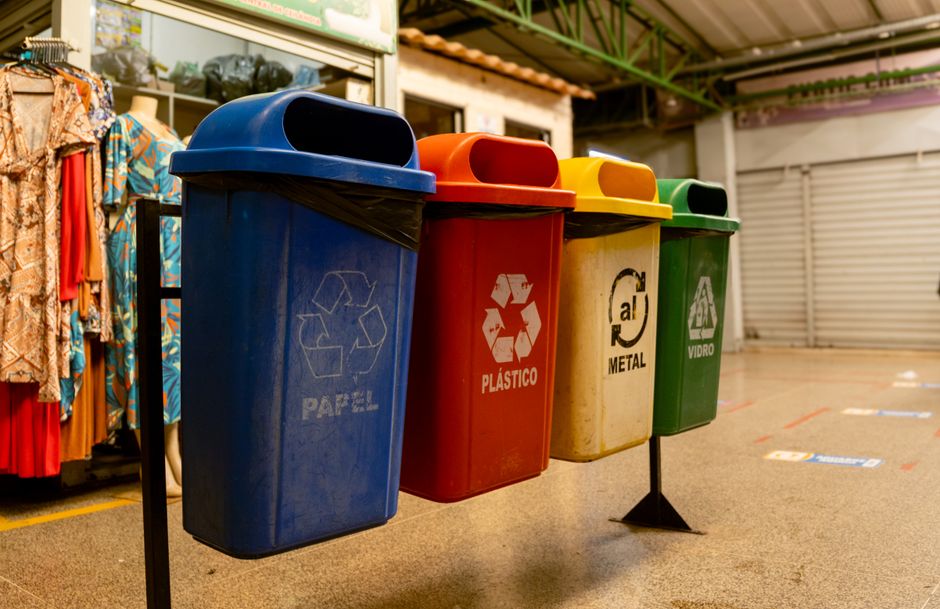
The primary recyclable categories include paper, plastic, glass, and metal. Each requires specific preparation before being placed in designated bins, usually found in communal areas of apartment complexes or designated collection points in other residential areas.
- Paper: Newspapers, cardboard boxes, and magazines should be flattened and tied. Remove any plastic coverings or excessive tape.
- Plastic: Bottles and containers made of PET, HDPE, and PP are generally recyclable. Rinse them clean and remove caps and labels where possible.
- Glass: Glass bottles and jars should be rinsed. Remove lids and any non-glass components. Broken glass should be handled with extreme care and sometimes collected separately.
- Metal: Aluminum cans, steel cans, and other metal packaging should be rinsed. Crushing cans can save space.
Some regions have further sub-categorizations for plastics, distinguishing between hard plastics and films. Detailed signage at collection points usually clarifies these distinctions. The Korea Environment Corporation (KECO) provides extensive online resources regarding these classifications.
Food Waste (Yu-gi-mul)
Food waste collection operates separately from general and recyclable waste. In most urban areas, residents are provided with small, designated food waste bins. These bins often require a special card or tag for disposal, and some municipalities charge based on volume. The collected food waste is typically processed into fertilizer or animal feed.
It is crucial to separate food waste correctly, excluding items like bones, shells, and seeds, which can be difficult to process. A common guideline is that if an animal cannot eat it, it likely should not go into the food waste bin. This careful separation significantly aids in the efficient composting or anaerobic digestion processes.
Bulky Waste (Dae-hyeong-pye-mul)
Large items such as furniture, appliances, and electronics (e.g., refrigerators, washing machines) are considered bulky waste. These items require special arrangements for disposal. Residents typically need to purchase specific “bulky waste stickers” from local government offices or designated retailers, indicating the type and size of the item. These stickers are then affixed to the item, and it is left at a pre-arranged collection point on a specific day.
This service ensures that large items are handled appropriately, often allowing for the recovery of valuable components from appliances. The process is managed by local municipal services to prevent illegal dumping. For specific appliances like old televisions or computers, there might be specialized collection programs to facilitate the recycling of hazardous materials.
Special Waste Categories
Certain items require special handling due to their composition or potential environmental impact. These can include batteries, fluorescent light bulbs, and electronic waste (e-waste). Collection points for these items are usually located at community centers, supermarkets, or designated recycling depots. Disposing of these items in general waste streams can lead to pollution and is often prohibited.
The recycling of electronic devices is particularly important given the increasing prevalence of gadgets in modern life. Many municipalities have partnerships with e-waste recyclers to ensure proper dismantling and material recovery. This aligns with global efforts to manage the growing challenge of electronic waste. The National Museum of Korea, while focused on heritage, indirectly benefits from a cleaner environment fostered by such practices.
Regional and Generational Variations
While the overarching principles of Korea’s recycling system are consistent nationwide, there can be subtle variations in implementation across different regions and cities. Larger metropolitan areas like Seoul may have more sophisticated automated sorting facilities and more frequent collection schedules compared to smaller towns or rural areas.
Generational differences in attitude and practice are also observable. Younger generations, who have grown up with the separate collection system as a norm, tend to be more diligent in their recycling habits. Older generations may require continued education and reinforcement of the practices, especially as new materials and packaging types emerge.
These differences highlight the ongoing need for clear communication and adaptable public outreach programs. Understanding local nuances is key for residents. For instance, practices related to separating food waste can differ in terms of the type of bin used and the payment system involved.
Experiencing Korean Culture and Recycling
For visitors and temporary residents, understanding the recycling rules is an integral part of experiencing Korean daily life. Embracing these practices demonstrates respect for the local environment and community. Many accommodations, particularly those catering to international guests, provide information on waste separation.
Participating in local markets or enjoying Korean food often involves managing packaging waste. Familiarizing oneself with the designated bins for recyclables is a simple yet impactful way to contribute. This aspect of daily life is as much a part of the cultural experience as attending local Festivals or learning about Korean History.
For those considering a longer stay, perhaps for study or work, or even for families planning a Wedding, mastering these rules is a practical skill that enhances the overall living experience. It fosters a sense of responsibility and active participation in the community.
Global Influence and Hallyu’s Environmental Echo
South Korea’s commitment to advanced waste management and recycling has garnered international recognition. The nation’s success serves as a model for other countries looking to improve their environmental sustainability efforts. The efficiency of its collection and processing systems is often studied by international environmental agencies.
The global popularity of Korean culture, often termed Hallyu or the Korean Wave, indirectly promotes awareness of the nation’s lifestyle, including its environmental consciousness. As K-dramas, K-pop, and Korean films reach a global audience, elements of everyday Korean life, including their recycling practices, become more visible.
This cultural export can inspire viewers worldwide to adopt similar practices in their own communities. The meticulousness and societal buy-in associated with Korean recycling are often implicitly showcased, contributing to a positive image of the nation’s environmental stewardship. The Korea.net portal frequently features articles highlighting these national achievements.
| Waste Category | Disposal Method | Preparation Required |
|---|---|---|
| General Waste | Designated official waste bags | Place in approved bags; check local guidelines |
| Recyclables (Paper, Plastic, Glass, Metal) | Designated recycling bins | Rinse, flatten, remove caps/labels where possible |
| Food Waste | Designated food waste bins (often with card/tag) | Separate food scraps; avoid bones, shells |
| Bulky Waste | Purchase stickers, arrange collection | Affix sticker, place at designated spot on collection day |
| Special Waste (Batteries, Bulbs, E-waste) | Designated collection points (community centers, supermarkets) | Follow specific instructions for each item type |
The effectiveness of Korea’s recycling programs is supported by robust data. For instance, national recycling rates have steadily increased over the past two decades, surpassing many developed nations. In 2026, the Ministry of Environment reported that over 60% of municipal solid waste was being recycled, a figure that continues to rise with technological advancements and public engagement (Ministry of Environment, 2026).
A survey conducted in 2026 indicated that over 85% of households actively participate in separate waste collection, demonstrating a high level of public compliance. This widespread participation is a testament to the success of sustained public awareness campaigns and the convenience of the established infrastructure. The economic benefits are also significant, with the recycling industry contributing substantially to the national economy through job creation and resource recovery (KECO, 2026).
Furthermore, research into consumer behavior in 2026 highlighted that over 70% of Koreans consider the recyclability of products when making purchasing decisions, reflecting a growing eco-conscious consumer market. This trend is further encouraged by corporate sustainability initiatives and government incentives for eco-friendly products. The consistent effort to educate citizens, from primary school children to adult residents, forms the bedrock of this success.
Statistics from 2026 also show that the average amount of waste generated per person per day has seen a gradual decline. This reduction in overall waste generation, coupled with high recycling rates, signifies a sustainable model. Innovations in waste-to-energy technologies are also being explored to further minimize landfill dependency. The integration of smart bin technology in urban areas is also improving collection efficiency and data collection for waste management optimization.
The nation’s proactive stance on environmental issues, including advanced waste management, is a crucial component of its modern identity. The ongoing commitment to innovation and public participation ensures that Korea remains a leader in sustainable practices. The continuous improvement in recycling infrastructure, such as advanced sorting facilities that can handle mixed plastics more effectively, further solidifies this leadership. The successful implementation of these rules has also led to a reduction in the amount of waste being incinerated, thereby lowering air pollution levels in urban centers.
자주 묻는 질문 (FAQ)
What are the main categories of waste in Korea?
The main categories are general waste (non-recyclable), recyclables (paper, plastic, glass, metal), food waste, and bulky waste.
Do I need to buy special bags for general waste?
Yes, you generally need to use officially approved, often color-coded, waste bags purchased from local stores for general waste disposal.
How should I prepare recyclables?
Rinse containers clean, flatten cardboard boxes, and remove labels or caps where possible before placing them in designated recycling bins.
Where can I dispose of large items like old furniture?
Bulky items require special arrangements, usually involving purchasing specific stickers and scheduling a collection with your local municipality.
Is food waste separated from other waste?
Yes, food waste is collected separately in designated bins, often requiring a special card or tag for disposal.
Get in Touch
Have questions about your specific situation? Reach out anytime for a personal consultation.
Email: huh0303@gmail.com