Markets, Shops, and the Everyday Food Culture
Korea grocery shopping guide planning begins with a simple fact: fresh food, prepared side dishes, packaged staples, and household goods are often sold within the same neighborhood shopping area. This arrangement makes grocery shopping both a practical task and a direct encounter with Korean food culture.
A Korean market may include a traditional market, a large supermarket, small convenience stores, and specialist shops for meat, seafood, rice, or fermented foods. The shopping experience changes by location, time of day, and the type of meal being prepared.
The Food category provides wider cultural context, while this guide focuses on store types, labels, payment, regional habits, and respectful ways for visitors to shop.
Historical and Social Background
Food shopping in Korea developed around seasonal produce, rice-centered meals, seafood preservation, and neighborhood exchange. Traditional markets served as places to buy ingredients, compare quality, and maintain social relationships as well as commercial centers.
Fermentation remains an important example of this background. Kimchi, doenjang, gochujang, and other products reflect methods used to preserve food and create distinctive flavors before modern refrigeration became common.
Korea.net presents Korean food as part of the country’s cultural identity and everyday life. The National Museum of Korea also provides historical context through collections and exhibitions related to material culture, including objects connected with dining, storage, and domestic life.
For reliable background, consult Korea.net and the National Museum of Korea.
These sources help distinguish a modern shopping habit from a single tourist image of Korea. Markets are living institutions, but their appearance and commercial role can differ substantially from one district to another.
How Grocery Shopping Is Experienced in Modern Korea
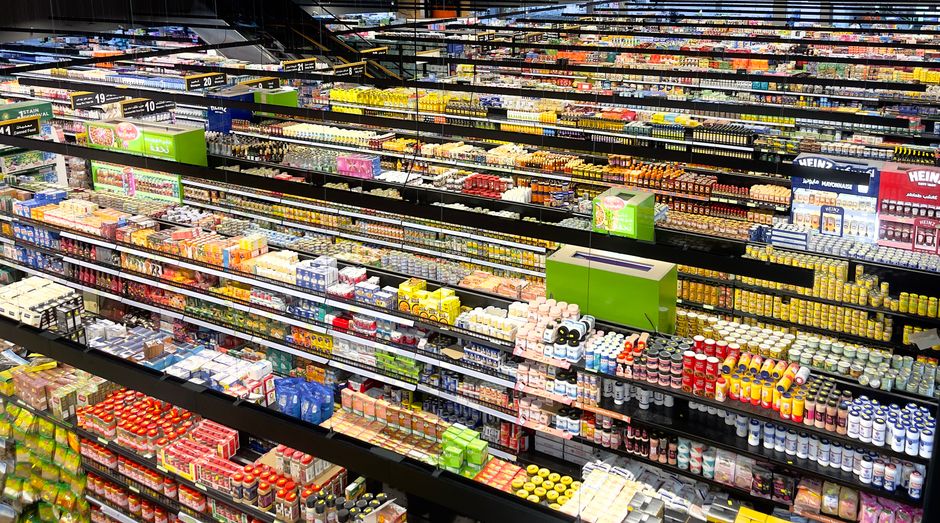
Large supermarkets usually organize products by category, with clear aisles for produce, meat, seafood, rice, noodles, sauces, snacks, drinks, and household supplies. Some branches also offer self-checkout, mobile payment, delivery orders, and small tasting areas.
Traditional markets are more varied in layout and often place independent stalls close together. Customers may see goods being cleaned, cut, weighed, or packed while they shop.
| Shopping place | Best suited for | Practical feature |
|---|---|---|
| Traditional market | Fresh produce, seafood, side dishes, local specialties | Independent stalls and direct interaction |
| Large supermarket | Packaged goods, imported products, household supplies | Fixed prices and broad product categories |
| Neighborhood supermarket | Routine cooking and small grocery trips | Convenient location and familiar essentials |
| Convenience store | Drinks, snacks, simple meals, emergency items | Long opening hours and quick payment |
| Specialist shop | Meat, rice, tea, seafood, or regional products | Focused selection and staff knowledge |
Prices are normally displayed in Korean won, and weighing may be done by staff or at a dedicated scale. A produce label may show the origin, while packaged foods commonly include a Korean ingredient list, allergen information, storage instructions, and an expiration or best-before indication.
Visitors should check whether a product needs refrigeration and whether packaging is suitable for carrying. Some stores provide reusable bags for purchase, while others expect customers to bring a bag or use a paid shopping bag.
- Bring a reusable bag for larger shopping trips.
- Keep chilled and frozen items together during transport.
- Use tongs or gloves where the store provides them for bakery and prepared foods.
- Confirm the quantity when buying loose fruit, vegetables, seafood, or meat.
- Retain the receipt when purchasing unfamiliar or higher-priced goods.
Regional and Generational Variations
Regional grocery habits reflect climate, agriculture, coastal access, and local culinary traditions. Coastal areas may emphasize seafood, mountain regions may feature vegetables and preserved products, and farming districts may offer seasonal grains, fruit, or specialty sauces.
Local products can also carry social meaning because they connect a meal with a place of origin. Regional food tourism is often linked with the Festivals calendar, where markets and temporary stalls introduce visitors to seasonal ingredients.
Generational differences are visible in shopping frequency and retail choice. Older shoppers may prefer familiar vendors, early market visits, and direct inspection of produce, while younger shoppers often combine supermarkets, convenience stores, online ordering, and same-day delivery.
These patterns are not absolute. A household may buy vegetables from a traditional market, packaged staples online, and snacks from a convenience store during the same week.
| Variation | Common emphasis | What visitors may notice |
|---|---|---|
| Coastal location | Fish, shellfish, sea vegetables | Seafood stalls and chilled displays |
| Inland or mountain location | Vegetables, grains, roots, preserved foods | Seasonal and dried ingredients |
| Older shopping pattern | Frequent visits and vendor relationships | Morning activity and personal service |
| Younger shopping pattern | Convenience, delivery, packaged meal options | Mobile ordering and compact purchases |
How Visitors Can Experience Grocery Shopping
A visitor can begin with a small purchase rather than attempting a complete household shop. Choose one familiar category, such as fruit, tea, rice snacks, or bottled sauces, and compare products by origin, ingredients, size, and storage needs.
Traditional markets are especially useful for observing daily commerce, but photography should be handled carefully. Ask before photographing vendors, workers, customers, or close-up displays.
- Check the store’s payment methods before filling a basket.
- Use a translation tool to read ingredients and allergy information.
- Learn a few terms such as 물고기 for fish, 채소 for vegetables, and 매운맛 for spicy flavor.
- Ask whether a product is refrigerated, frozen, or shelf-stable.
- Pack food securely and follow local rules when carrying food on public transport or across borders.
Sampling prepared food can be an efficient introduction to local tastes, but visitors should consider spice levels, allergens, and unfamiliar ingredients. Seafood, nuts, sesame, dairy, wheat, and fermented ingredients may appear in products that seem simple.
Markets can be included in a broader itinerary through Travel planning. A market visit is most rewarding when combined with nearby neighborhoods, museums, historic streets, or a cooking activity rather than treated only as a place to buy souvenirs.
Payment etiquette is generally straightforward: wait your turn, place goods where staff can reach them, and verify the change or receipt without obstructing the counter. In busy markets, clear gestures and short phrases are usually more useful than extended negotiation.
Global Influence and the Hallyu Connection
Korean grocery products have gained international visibility through Korean dramas, music, restaurants, cooking programs, and social media. Instant noodles, seaweed, kimchi, sauces, rice cakes, roasted snacks, and tea are now familiar to shoppers in many countries.
Hallyu, the global circulation of Korean popular culture, often introduces a product before a visitor encounters its everyday context. Grocery shopping can add that context by showing how a packaged item fits into breakfast, lunch boxes, shared meals, holiday dishes, or late-night snacks.
The global market does not always reproduce local use accurately. A sauce may be promoted as a general condiment abroad, while Korean households may use it for a specific dish, marinade, soup base, or seasonal preparation.
Reading the Korean label, checking serving suggestions, and comparing regional products can therefore deepen appreciation beyond trend-based consumption. The connection between food and cultural memory also relates to History, where ingredients, utensils, preservation methods, and trade routes help explain how meals changed over time.
- Use supermarkets to compare domestic and export-oriented packaging.
- Visit traditional markets to observe fresh ingredients and prepared foods together.
- Choose small quantities when testing unfamiliar flavors.
- Record the product name and storage method for future reference.
- Approach food as both a consumer product and a cultural document.
Korean grocery shopping connects ordinary household decisions with regional identity, historical practice, and contemporary cultural exchange. For visitors, the most meaningful discovery may be the relationship between a product on the shelf and the meal, place, or community behind it.
자주 묻는 질문 (FAQ)
What is the best place for visitors to buy Korean groceries?
Large supermarkets are convenient for fixed prices, broad selection, and clear product sections. Traditional markets are better for local atmosphere, fresh foods, and direct contact with vendors.
What should visitors check on Korean food labels?
Check ingredients, allergens, storage instructions, country of origin, and expiration or best-before information. Refrigerated and frozen products require special care during transport.
Are traditional markets more expensive than supermarkets?
Prices vary by product, season, location, and vendor. Markets may offer competitive prices for fresh foods, while supermarkets provide easier comparison and standardized packaging.
Can visitors use cards when grocery shopping in Korea?
Many supermarkets and convenience stores accept cards, but payment options can differ at independent market stalls. Carrying a modest amount of Korean won is useful.
Which Korean grocery products are suitable as souvenirs?
Shelf-stable tea, packaged snacks, roasted seaweed, sauces, and dried foods are common choices. Always check customs rules, packaging, and storage requirements before travel.
Get in Touch
Have questions about your specific situation? Reach out anytime for a personal consultation.
Email: huh0303@gmail.com