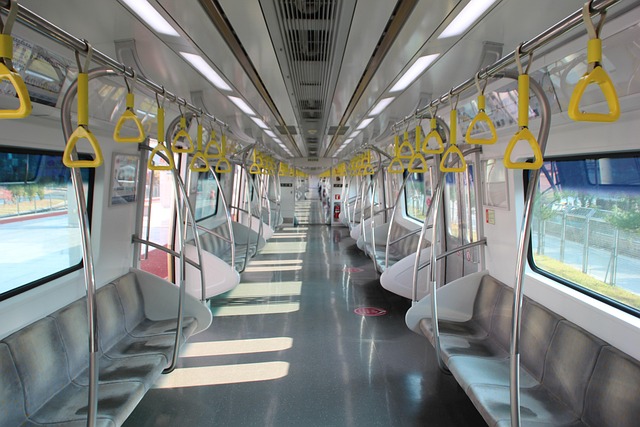

Korea subway fare 2026 depends on the city, operating system, passenger category, travel distance, and whether you use a transportation card or another payment method. For a newcomer, the practical task is to confirm the fare shown at the station, choose the correct payment method, and understand how transfers are counted before entering the network.
Newcomer task
Subways are a central part of daily travel in Korea, but there is no single nationwide fare that applies to every train and city. Seoul, Busan, Daegu, Daejeon, Gwangju, and other systems may use different fare tables, card arrangements, and transfer rules.
The safest approach is to treat the displayed fare as the controlling information for the journey. Check the station machine, route-planning screen, or operator notice immediately before travel, especially when crossing zones, using a regional line, or connecting with a bus.
What is required
You normally need a rechargeable transportation card, a single-use ticket where available, or an accepted contactless payment method. A transportation card is a stored-value payment card that can be topped up and tapped at entry and exit gates; it is usually more convenient for repeated travel than buying separate tickets.

- Transportation card: Buy or recharge a compatible card at a convenience store, station counter, or designated machine, then tap it on the reader when entering and leaving.
- Single-use ticket: Use the station’s ticket machine when this option is available, following the screen instructions and retaining the ticket until the journey ends.
- Payment balance: Add enough stored value before entering because an insufficient balance can prevent exit or require assistance at the station office.
- Route information: Record the destination station and any transfer points. Similar station names can exist on different lines or in different cities.
Some cards are connected with an integrated fare system, meaning one pricing arrangement can recognize a connected subway and bus journey. The eligibility and calculation can depend on the local network, so a transfer should be completed within the time and route conditions shown by the operator.
Step-by-step
- Plan the route: Search the destination in a reliable map or station guide and confirm the city, line color, station number, and direction.
- Choose payment: Use a rechargeable card for regular travel, or follow the station instructions for a single-use ticket if you do not have a card.
- Check the displayed amount: Before confirming a purchase or topping up, review the amount on the machine. The figure may reflect passenger type, distance, or a special line.
- Tap correctly: Present the card or ticket at the entry gate. Keep the same card with you and tap again at the exit gate so the system can calculate the completed trip.
- Transfer carefully: Follow signs rather than leaving the paid area unnecessarily. Exiting and re-entering can create a new charge or cancel transfer treatment.
- Resolve an error promptly: If the gate does not open, do not follow another passenger through. Use the intercom or visit the station office, where staff can check the card or ticket record.
Station signage commonly includes Korean and English, while larger stations may also provide additional languages. Learning the Korean terms for entrance, exit, transfer, and fare adjustment can make busy stations easier to navigate.
Cost and timing
Fare amounts should be checked as a current station or operator figure rather than copied from an old travel post. A final charge may be affected by the starting and ending stations, a distance surcharge, passenger status, a transfer connection, or a line operated under separate rules.
| Travel situation | What can affect the charge | What to check |
|---|---|---|
| Short subway trip | Local base fare and payment type | Amount shown before purchase or gate entry |
| Longer trip | Distance-based fare or zone treatment | Destination and exit station |
| Subway and bus connection | Integrated fare eligibility and transfer timing | Tap records and transfer signs |
| Airport or special railway connection | Separate operator pricing or reserved service | Operator name and ticket conditions |
| Child, youth, or other concession | Eligibility and identification requirements | Local rules before selecting a reduced category |
Top up before the morning or evening peak when machines may be busy, and allow extra time if you need to buy a card for the first time. If you are traveling with luggage, a companion, or a child, check the number of passengers and cards before approaching the gate.
Fare policy can change during 2026, so a saved screenshot or remembered amount is not a permanent guarantee. Keep a small payment reserve on the card and review the balance after a longer journey or a complicated transfer.
Common obstacle
The most common difficulty is confusing the fare displayed for a route with the amount required for a different payment method. Another frequent problem is tapping a card at entry but failing to tap the same card at exit, which leaves the journey incomplete in the system.
- Wrong station: Compare the station name in Korean and English before passing through the gate.
- Insufficient balance: Recharge at the machine or convenience store instead of attempting repeated taps.
- Missed transfer: Follow transfer signs and ask staff before leaving the paid area.
- Multiple cards together: Keep separate cards apart so the reader does not detect the wrong card.
- Unclear fare: Photograph or note the machine message and show it to station staff for interpretation.
Do not assume that a fare problem means the card is permanently blocked. Station staff can often identify whether the issue concerns balance, an incomplete tap, a ticket deposit, or a route condition.
Official service link
Korea.net provides general orientation for travel and everyday movement in Korea, including background that helps newcomers understand transport in a wider cultural setting. Its national introduction can be read through Korea.net; for a live fare, however, rely on the information displayed by the relevant subway operator or station.
The National Museum of Korea is another useful official cultural reference when planning a subway outing around a museum visit. Its English visitor information is available at the National Museum of Korea, where visitors can confirm opening information and plan the final station-to-venue walk.
Related next task
Once the fare and route are clear, the next task is learning how subway travel connects with ordinary cultural activities. Background reading on History can add context to older neighborhoods and palace districts, while K-Wave coverage can help with concerts, music venues, and media-related destinations.
Seasonal movement also matters because station exits and train capacity can become busy during major Festivals. For visitors arranging a ceremony or family event, practical planning may also include Wedding information, including travel coordination for guests using public transport.
Keeping the payment card, route details, and destination address together makes ordinary journeys easier to manage. It also leaves more attention for the cultural experience beyond the station.
자주 묻는 질문 (FAQ)
Is there one Korea subway fare for every city?
No. Subway fares and transfer rules can differ by city, operator, passenger category, distance, and payment method. Check the local station or operator display.
Is a transportation card useful for newcomers?
Yes. A rechargeable card is convenient for repeated trips and can support connected subway and bus travel where the local integrated fare rules apply.
Why must I tap out at the destination?
The exit tap records the completed journey and may allow the system to calculate distance or transfer treatment. An incomplete record can require staff assistance.
Where can I check the current amount?
Check the fare shown on the station machine, gate, route-planning screen, or operator notice immediately before travel. Do not rely only on an old online figure.
Get in Touch
Have questions about your specific situation? Reach out anytime for a personal consultation.