Honoring Global Leadership Within Local Civic Spaces
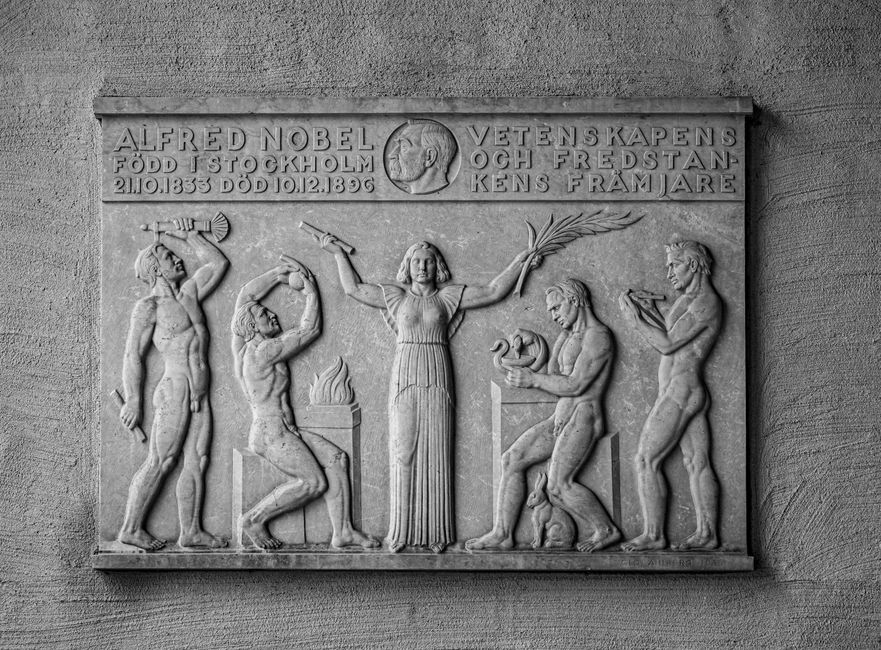
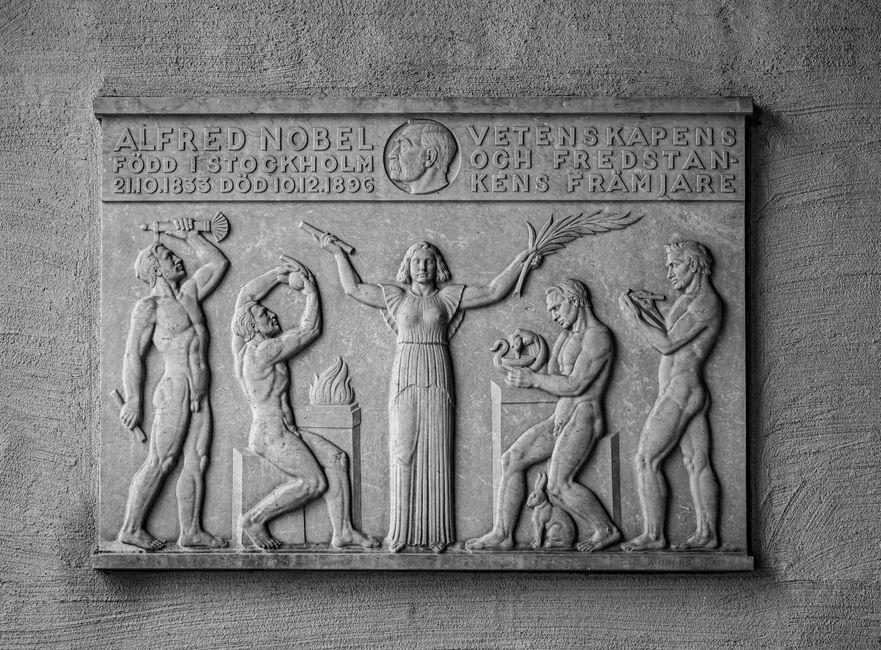
The Nobel Peace Prize carries deep historical resonance across the Korean peninsula, linking international diplomacy with domestic civic education and public remembrance. Recognizing this prestigious accolade requires looking beyond foreign headlines to examine how peace diplomacy, historical milestones, and national identity intersect within local municipal spaces. For newcomers seeking to understand modern Korean society, exploring these civic milestones offers profound context regarding the nation’s contemporary values and diplomatic trajectory.
Civic institutions and public memorials throughout Seoul and regional provinces frequently curate exhibitions dedicated to international peace efforts and diplomatic achievements. Engaging with these exhibits allows residents to trace how global recognition shapes local cultural programming, community History archives, and public educational initiatives. Understanding this background helps bridge the gap between daily administrative life in Korea and the broader international narratives that influence national policy and public sentiment.
Verification and Research Requirements for Cultural Exploration
Accessing accurate information regarding national honors, diplomatic milestones, and public exhibitions requires utilizing official governmental portals. Organizations like Korea.net provide comprehensive public affairs reporting, policy updates, and cultural insights translated for international residents. When planning educational visits to memorial halls or peace-related cultural centers, checking official digital resources ensures that visitors receive verified scheduling and exhibit details.
Complementary demographic and historical data can be cross-referenced through Statistics Korea to understand public engagement trends surrounding national education and cultural tourism. Newcomers should prepare standard identification when accessing specialized public archives or research libraries that house historical documents related to international diplomacy. Organizing digital bookmarks of these official portals streamlines the research process for anyone eager to deepen their civic knowledge.
Step-by-Step Engagement Protocol for Newcomers
Participating in local civic education and visiting peace-related exhibitions follows a straightforward municipal protocol designed to welcome both citizens and foreign residents. Preparing adequately for these cultural excursions ensures a smooth and respectful experience within public institutions.
- Review official announcements on government portals to identify active exhibitions, memorial halls, or public lectures related to international diplomacy and peace milestones.
- Verify opening hours, visitor capacity rules, and potential admission fees before traveling to provincial museums or municipal cultural centers.
- Prepare your Alien Registration Card (ARC) or passport if visiting specialized national archives that require identity verification for entry.
- Combine your educational outing with seasonal Festivals or community events hosted in the surrounding neighborhood to experience local culture holistically.
- Document your learnings or check related digital media channels, including updates on the vibrant K-Wave and broader global trends available via platforms like K-POP communities, which often reflect modern Korean artistic expressions of unity.
Resource Accessibility, Timing, and Associated Expenses
Most public museums, municipal exhibition halls, and historical archives operated by local governments maintain minimal entrance fees or offer free admission to permanent collections. Special touring exhibitions or international artifact loans may incur nominal ticket charges ranging from five thousand to fifteen thousand won, depending on the venue. Planning your visit during weekday mornings generally avoids weekend crowds and allows for a more contemplative viewing experience.
| Resource Type | Typical Cost | Recommended Timing | Primary Benefit |
|---|---|---|---|
| Municipal History Museums | Free to 5,000 KRW | Weekday mornings | Foundational context on local civic milestones |
| National Archives & Libraries | Free access (ID required) | Afternoon research hours | Direct access to verified historical documents |
| Special Peace Exhibitions | 10,000 to 15,000 KRW | Advance booking advised | Curated displays on international diplomacy |
Overcoming Common Administrative and Language Barriers
Navigating specialized cultural sites can occasionally present minor hurdles for international residents due to language barriers or complex archival terminology. Recognizing these obstacles early allows newcomers to prepare effective strategies for a seamless educational outing.
- Language accessibility: Many regional exhibition halls provide English audio guides or digital translation applications, though smaller community centers may rely solely on Korean signage. Downloading official translation tools in advance bridges this gap.
- Identification verification: Certain national research libraries require prior online registration and physical ID presentation, so always carry your ARC or passport when visiting restricted academic spaces.
- Scheduling discrepancies: Public facilities frequently adjust operating hours around national holidays, making it essential to cross-check schedules on official portals before departure.
Official Public Portals and Verification Channels
Relying on authorized administrative channels guarantees accurate guidance for all civic and cultural explorations across the country. Newcomers should primarily consult Korea.net for verified articles concerning national achievements, diplomatic history, and public announcements. Statistical data regarding public cultural participation can be reviewed directly through Statistics Korea to understand broader societal trends in education and museum attendance.
Transitioning to Subsequent Civic and Cultural Tasks
Gaining familiarity with national honors and peace exhibitions serves as a solid foundation for deeper integration into Korean civic life. Newcomers can next explore local community volunteering programs, municipal language exchange classes, or regional heritage tours. Connecting with these broader public offerings enriches daily residency and fosters a well-rounded understanding of modern society.
자주 묻는 질문 (FAQ)
Where can newcomers find official information about international diplomacy exhibits in Korea?
Official cultural schedules, public event notices, and diplomatic histories are regularly published on Korea.net and managed through municipal government platforms.
Do public history museums in Korea charge admission fees for foreign residents?
Many permanent municipal museum collections offer free admission or nominal entry fees, though special international exhibitions may charge ticket rates between five and fifteen thousand won.
What identification is required to access national archives or specialized research libraries?
Visitors typically need to present a valid Alien Registration Card (ARC) or passport, and certain facilities require prior online registration before granting entry.
How can residents stay updated on local cultural festivals and public exhibitions?
Residents can monitor official municipal notices, check localized festival calendars, and utilize government portal search tools to track upcoming cultural events.
Get in Touch
Have questions about your specific situation? Reach out anytime for a personal consultation.