When living or traveling abroad, knowing how to access emergency services Korea foreigners need is paramount. While South Korea is renowned for its safety and efficiency, unforeseen circumstances can arise. This comprehensive guide equips you with the essential knowledge, numbers, and steps to take during medical, fire, or police emergencies, ensuring you can navigate critical situations confidently.
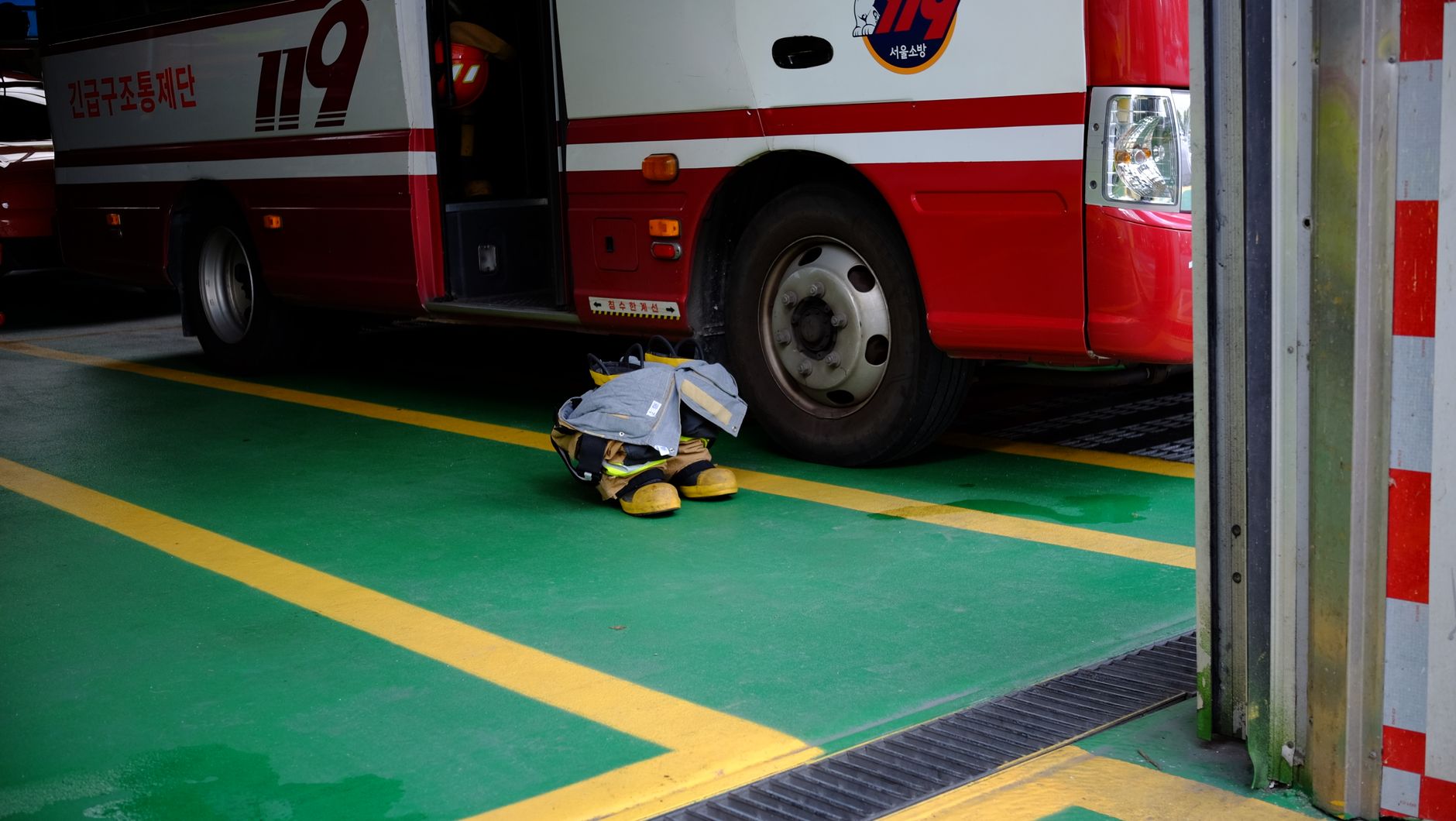
Table of Contents
- Understanding Emergency Services in Korea for Foreigners
- Key Emergency Numbers and What to Expect
- Medical Emergency Services: Hospitals & Pharmacies
- Non-Medical Emergency Services: Police & Fire
- Communication Challenges and Solutions for Foreigners
- Preparing for Emergencies: A Foreigner’s Checklist
Understanding Emergency Services in Korea for Foreigners
South Korea’s emergency response system is highly organized and efficient, but it operates primarily in Korean. For foreigners, understanding the structure and specific numbers is crucial. The system is designed to provide rapid assistance across medical, fire, and public safety domains.
The Role of 119 and 112
The two primary emergency hotlines are 119 for medical and fire emergencies, and 112 for police matters. Both services offer multilingual support, a vital feature for non-Korean speakers. According to the National Fire Agency, in 2021, over 3% of 119 calls required foreign language assistance, highlighting the growing need for accessible emergency services for foreigners in Korea. This service is continuously improving to cater to the diverse international population.
Differences from Home Countries
While the concept of emergency services is universal, the operational specifics can differ. For instance, the unified 119 number for both fire and medical is a common aspect of the Korean system, unlike some countries with separate ambulance numbers. Familiarizing yourself with these nuances can save precious time.
Key Emergency Numbers and What to Expect
Knowing these numbers by heart can be a lifesaver. Keep them saved in your phone and visible in your living space. When you call, be prepared to state your location, the nature of the emergency, and if you require English or other language assistance.
Emergency Contact Table
| Service | Number | Purpose | Language Support |
|---|---|---|---|
| Medical/Fire | 119 | Ambulance, Fire, Rescue | English, Chinese, Japanese, Vietnamese, Mongolian |
| Police | 112 | Crime, Public Safety | English, Chinese, Japanese, Vietnamese, Mongolian |
| Traveler’s Help Line | 1330 | Tourist Info, Basic Help | English, Chinese, Japanese, French, German, Spanish, Russian, Vietnamese, Thai, Malay, Indonesian |
| Medical Info Center | 1339 | Non-emergency Medical Advice | English, Chinese, Japanese, Vietnamese, Mongolian |
What to Say When Calling
- State your need for English (or other language) assistance immediately.
- Clearly state your exact location (address, nearby landmarks, street name).
- Describe the emergency concisely: “My friend collapsed,” “There’s a fire at…”
- Provide your phone number.
- Do not hang up until instructed to do so.
Medical Emergency Services: Hospitals & Pharmacies
Korea boasts a world-class healthcare system. Understanding how to access it during an emergency is vital for emergency services Korea foreigners might need.
Hospital Access and Costs
If you call 119, an ambulance will transport you to the nearest appropriate hospital. Be aware that ambulance services are generally free, but hospital visits and treatments incur costs. It’s highly recommended to have travel insurance or enroll in the National Health Insurance Service (NHIS) if you reside long-term. In 2023, the Ministry of Health and Welfare reported that over 80% of registered foreigners were covered by NHIS, significantly reducing out-of-pocket expenses. For general health information, refer to the World Health Organization’s country profile for South Korea.
Finding English-Speaking Medical Staff
Major hospitals in cities like Seoul and Busan often have international clinics or English-speaking staff. Websites like HiKorea or the Korea Tourism Organization provide lists of such facilities. For less urgent medical advice, the 1339 Medical Information Center can guide you to suitable clinics or provide basic health information.
Non-Medical Emergency Services: Police & Fire
Beyond medical needs, foreigners may require assistance from police or fire departments.
Police (112) for Safety and Crime
For any crime, theft, assault, or public disturbance, dial 112. The police are prompt and efficient. They will dispatch officers to your location. If you’re an expat looking for safe areas, understanding the local safety landscape is key; consider researching the best neighborhoods Seoul expats often choose for their security and amenities.
Fire (119) for Fire and Rescue
As mentioned, 119 also handles fire emergencies and rescue operations (e.g., car accidents, trapped individuals). Korean fire departments are well-equipped and respond quickly. Their training and technology are among the best globally, ensuring a robust response to any fire incident.
Communication Challenges and Solutions for Foreigners
Language barriers are a primary concern during emergencies. While multilingual support exists, proactive measures can enhance your safety.
Using Translation Services and Apps
Many emergency hotlines offer interpreter services. Additionally, having a translation app like Papago or Google Translate on your phone can be invaluable for communicating with first responders on the scene. For broader communication needs, check out a Korean internet and wifi guide to ensure you’re always connected.
Key Korean Phrases for Emergencies
- 도와주세요! (Dowajuseyo!) – Help me!
- 응급 상황이에요. (Eunggeup sanghwangieyo.) – It’s an emergency.
- 영어를 할 수 있는 사람 있어요? (Yeongeoreul hal su inneun saram isseoyo?) – Is there anyone who can speak English?
- 병원에 가야 해요. (Byeongwone gaya haeyo.) – I need to go to the hospital.
- 여기는 [주소] 입니다. (Yeogineun [juso] imnida.) – My address is [address].
- 불이야! (Buriya!) – Fire!
- 도둑이야! (Dodugiya!) – Thief!
Having these simple phrases ready can make a significant difference. For more insights into Korean culture and communication, exploring resources on topics like Korean traditional clothing hanbok or Korean wedding customs traditions can deepen your understanding of the country.
Preparing for Emergencies: A Foreigner’s Checklist
Proactive preparation is your best defense. A little planning can go a long way in ensuring your safety and peace of mind.
Essential Documents and Information
- Keep a copy of your passport/ARC (Alien Registration Card) and visa.
- Have your emergency contacts (both local and international) readily accessible.
- Carry your health insurance card (NHIS or private).
- Note down any allergies or pre-existing medical conditions.
Emergency Preparedness Kit
While not strictly a “kit” in the traditional sense, having these items prepared is beneficial:
- A fully charged phone with power bank.
- Small amount of cash for taxis or immediate needs.
- A list of nearby hospitals or clinics.
- Basic first-aid supplies.
Staying Informed and Aware
Always stay updated on local news and safety advisories. The Ministry of Food and Drug Safety (MFDS) provides critical information on product safety and public health, which can be relevant during certain incidents. Additionally, familiarizing yourself with local customs, even relaxing ones like a Korean spa jjimjilbang guide, can help you feel more integrated and aware of your surroundings.
For further reading on preparing for various emergencies, resources like the CDC’s emergency preparedness guides offer comprehensive advice applicable globally. Bloomberg also frequently publishes articles on expat life and challenges in South Korea, providing valuable context.

Can I call 911 in Korea?
No, 911 is not used in Korea. For medical and fire emergencies, dial 119. For police, dial 112. These are the primary emergency numbers.
Do Korean emergency services speak English?
Yes, both 119 and 112 hotlines offer multilingual support, including English, Chinese, Japanese, and more. Be sure to request English assistance immediately when you call.
Is ambulance service free in Korea for foreigners?
Yes, ambulance services provided by 119 are generally free of charge for everyone, including foreigners. However, any hospital treatment or medical procedures will incur costs.
What if I have a non-emergency medical question?
For non-emergency medical advice or to find an appropriate clinic, you can call the 1339 Medical Information Center. They also provide multilingual support.
How can I prepare for an emergency in Korea?
Keep essential documents (passport/ARC, insurance) handy, save emergency numbers in your phone, learn basic Korean emergency phrases, and know your exact address. Consider travel insurance or NHIS enrollment.
What should I do if my passport is stolen?
If your passport is stolen, immediately report it to the police by calling 112. After filing a police report, contact your country’s embassy or consulate in Korea to arrange for a replacement.
Are there apps that can help during an emergency in Korea?
Yes, translation apps like Papago or Google Translate can be very helpful for on-the-spot communication. Some emergency services also have their own apps, but calling the direct numbers is usually faster.
Conclusion
Navigating emergency services Korea foreigners need can initially seem daunting, but with the right information, you can feel secure and prepared. Remember the crucial numbers: 119 for medical and fire, and 112 for police. Always prioritize clear communication, provide your exact location, and don’t hesitate to ask for English assistance. By being proactive and informed, you ensure your safety and well-being, allowing you to fully enjoy your experience in South Korea. Stay safe, stay informed, and know that help is always available when you need it.
Get in Touch
Have questions about your specific situation? Reach out anytime for a personal consultation.
Email: huh0303@gmail.com
관련 글: Chuseok Holiday Korea Guide: Your Complete Celebration Plan!