Navigating Daily Life: Understanding Infrastructure Resilience
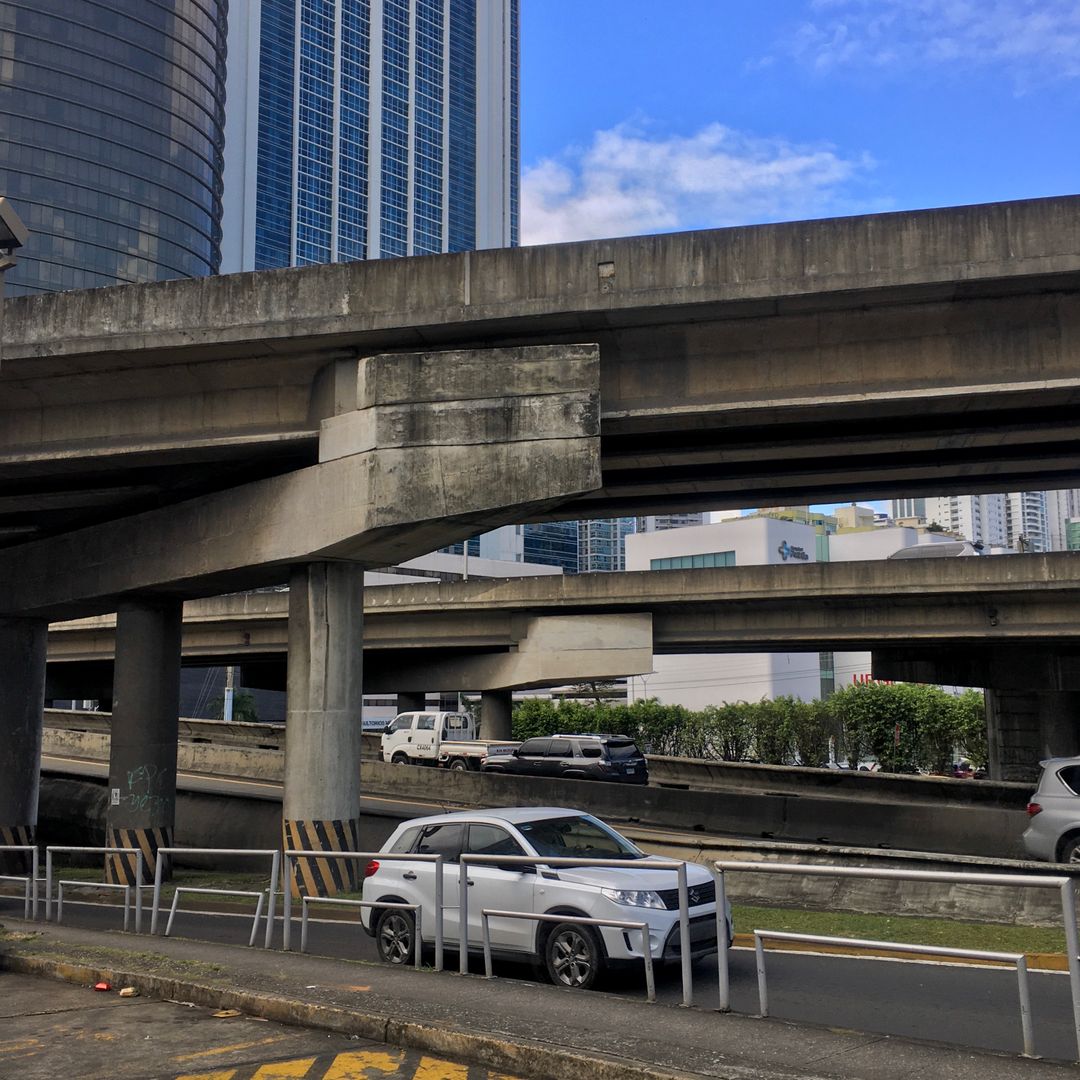
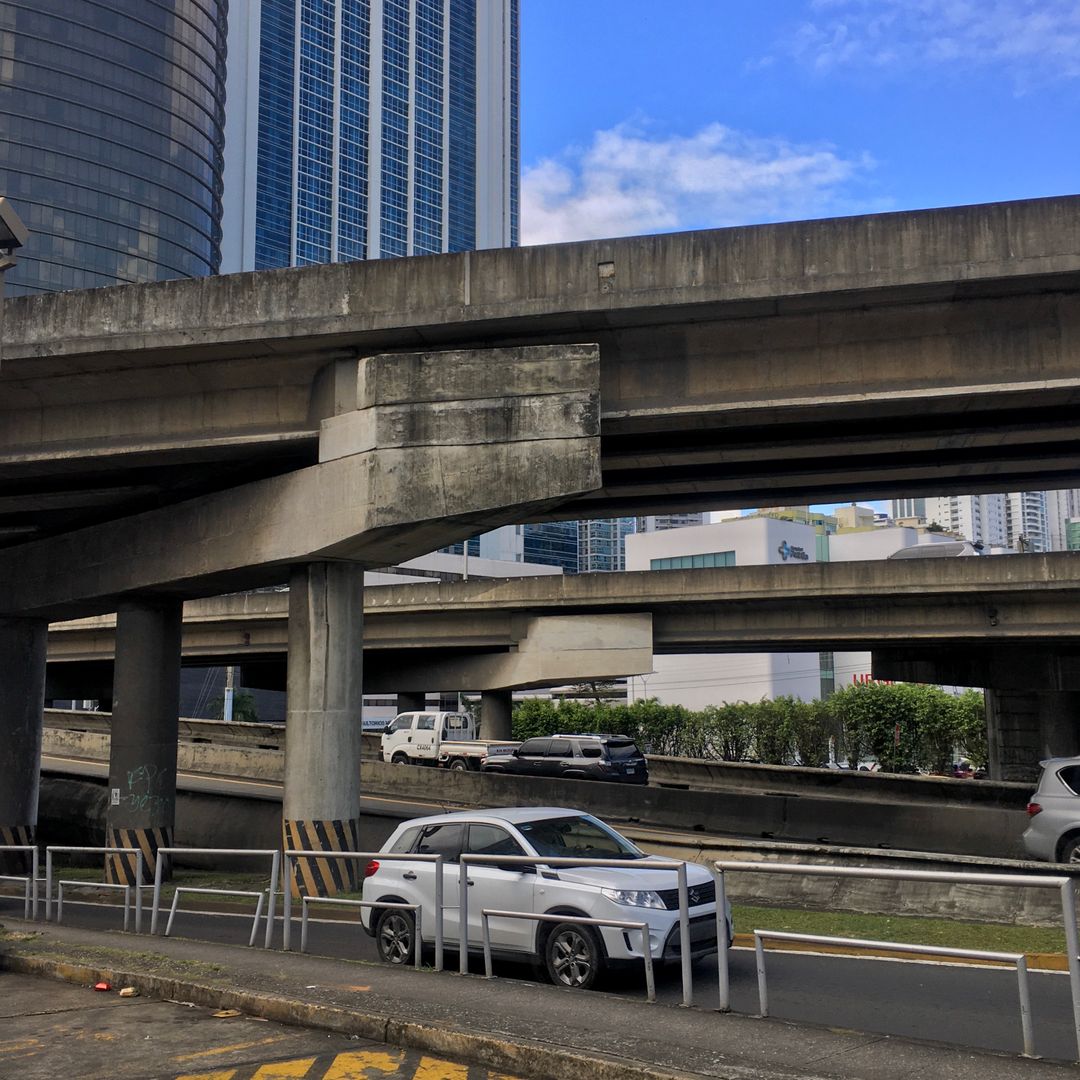
The remarkable durability of Korea’s infrastructure, particularly how a highway overpass survives various challenges, is a testament to meticulous planning and construction standards. For newcomers settling into Korea, understanding the reliability of public infrastructure, from roads to public services, provides a foundational sense of security and ease in daily administration.
This commitment to robust infrastructure directly impacts a newcomer’s daily experience, ensuring smooth commutes and reliable access to essential services. Whether you’re heading to a vibrant festival, exploring the latest K-Wave events, or simply getting to work or school, the integrity of the transportation network is paramount.
The Structural Integrity of Overpasses
Korea has a long-standing commitment to high-quality public works, reflected in its advanced transportation networks. The construction and maintenance of structures like highway overpasses are governed by stringent regulations and advanced engineering practices, ensuring their resilience against environmental factors and heavy usage.
These robust standards are not just about aesthetics but about fundamental safety and functionality. They ensure that the extensive network of roads and bridges can reliably support the nation’s dynamic economy and the daily lives of its residents, including millions who engage with the global phenomenon of K-POP and other cultural facets.
Required Standards and Oversight
The construction and maintenance of highway overpasses fall under the purview of several governmental bodies, primarily the Ministry of Land, Infrastructure and Transport (MOLIT). MOLIT establishes comprehensive guidelines for design, materials, construction, and ongoing inspection to ensure structural integrity and public safety. These guidelines are regularly updated to incorporate the latest advancements in civil engineering and material science.
Key requirements often include seismic design considerations, given Korea’s geographical location, as well as specifications for load-bearing capacity, fatigue resistance, and durability of materials against weathering. Regular structural health monitoring systems are also increasingly integrated into newer constructions to provide real-time data on performance and detect potential issues early.
Step-by-Step Oversight for Infrastructure Projects
The lifecycle of a major infrastructure project, such as a highway overpass, involves a multi-stage process with rigorous oversight at each step. This structured approach helps ensure that the final structure meets all safety, quality, and performance criteria.
- Feasibility Study and Planning: This initial stage involves assessing the need for the overpass, conducting environmental impact assessments, and preliminary design work. Economic viability and social impact are thoroughly evaluated.
- Detailed Design: Engineers develop comprehensive architectural and structural designs, specifying materials, construction methods, and safety features. This phase often includes advanced simulations and stress tests.
- Procurement and Contractor Selection: Government agencies solicit bids from qualified construction companies. The selection process is highly competitive and based on technical expertise, financial capability, and past performance.
- Construction: Under strict supervision, the chosen contractor executes the build. Regular inspections by independent third parties and government engineers ensure adherence to design specifications and quality standards.
- Quality Assurance and Control: Throughout construction, materials are tested, and workmanship is verified. Non-destructive testing (NDT) methods are frequently employed to check the integrity of welds, concrete, and other critical components.
- Completion and Handover: Upon completion, a final comprehensive inspection is conducted. Once deemed satisfactory, the overpass is officially opened for public use.
- Maintenance and Monitoring: After opening, the overpass enters a long-term maintenance phase. Regular inspections, repairs, and technological monitoring ensure its continued safe operation. This proactive approach significantly contributes to how a highway overpass survives decades of service.
Investment and Longevity: Cost and Timing
The investment in Korea’s infrastructure is substantial, reflecting the nation’s commitment to modernization and safety. The cost for constructing a significant highway overpass can range from tens of billions to hundreds of billions of Korean Won, depending on its size, complexity, and location. These costs encompass everything from land acquisition and design to materials, labor, and environmental mitigation measures.
The timeline for such projects is equally considerable, often spanning several years from initial planning to completion. A typical large-scale overpass project might take 3 to 7 years. This extended timeframe allows for thorough planning, design, and construction, ensuring that every detail is meticulously addressed to guarantee long-term performance and safety.
The long-term economic benefits, including reduced travel times, improved logistics, and enhanced safety, far outweigh the initial investment. These structures are built to last, with a design life typically exceeding 50 years, often with provisions for extending their service life through diligent maintenance.
Common Challenges in Infrastructure Development
Despite the rigorous processes, infrastructure projects face several common obstacles that can impact their cost and timing. Understanding these challenges provides a fuller picture of the complexities involved in maintaining such high standards.
| Challenge Category | Description | Impact on Project |
|---|---|---|
| Geological Conditions | Unforeseen ground conditions (e.g., soft soil, rock formations) requiring specialized foundation work or advanced excavation techniques. | Increased costs, potential delays, need for design modifications. |
| Environmental Factors | Strict environmental regulations, protected wildlife habitats, or archaeological discoveries necessitating careful mitigation strategies. | Project delays, additional permits, specialized construction methods, potential rerouting. |
| Urban Integration | Constructing in densely populated areas requires managing traffic flow, minimizing noise pollution, and relocating existing utilities. | Complex logistics, public inconvenience, higher operational costs for temporary measures. |
| Material and Labor Costs | Fluctuations in global commodity prices for steel, concrete, and other materials, or shortages in skilled labor. | Budget overruns, potential delays if sourcing becomes difficult. |
| Technological Complexity | Implementing innovative designs or advanced materials may require specialized expertise and equipment. | Higher initial investment, longer testing and validation periods. |
| Public and Political Opposition | Concerns from local residents regarding noise, aesthetics, or property acquisition can lead to protests and legal challenges. | Delays in project approval, potential redesigns, increased public relations efforts. |
Official Services and Information
For those interested in the specifics of Korea’s infrastructure projects or seeking official information on transportation and public works, the following resources are highly authoritative:
- Ministry of Land, Infrastructure and Transport (MOLIT): The primary governmental body responsible for national infrastructure. Their official website provides policy documents, project updates, and statistical data. While their main site is in Korean, key reports and policy summaries are often available in English.
- Korea.net: As the official government portal, Korea.net offers a wealth of information on various aspects of Korean public services, including insights into infrastructure development and national projects, often translated into multiple languages.
- Statistics Korea: For demographic and economic data that inform infrastructure planning, Statistics Korea provides comprehensive reports and statistics on population growth, urban development, and transportation usage patterns.
These resources are invaluable for understanding the underlying planning and execution that ensures the reliability of Korea’s public services and infrastructure.
Related Next Task: Utilizing Public Transportation
Once familiar with the resilience of Korea’s infrastructure, the next logical step for newcomers is to effectively utilize the excellent public transportation system. Korea boasts an integrated network of subways, buses, and high-speed trains that are efficient, clean, and technologically advanced.
Familiarizing yourself with transportation cards (like T-Money), understanding route planning apps, and knowing the etiquette for public transit will significantly enhance your mobility and independence. This directly connects to appreciating how well-maintained roads and overpasses facilitate a seamless journey across cities and regions.
자주 묻는 질문 (FAQ)
What government agency oversees highway overpass construction in Korea?
The Ministry of Land, Infrastructure and Transport (MOLIT) is the primary governmental body responsible for the oversight, planning, and regulation of highway overpass construction and maintenance in Korea.
How long does a typical highway overpass project take from start to finish?
A typical large-scale highway overpass project in Korea can take anywhere from 3 to 7 years from the initial feasibility study and planning stages to the final completion and public opening.
What are some common challenges faced during infrastructure development in Korea?
Common challenges include unforeseen geological conditions, strict environmental regulations, complexities of urban integration, fluctuations in material and labor costs, technological complexities, and potential public or political opposition.
Where can I find official statistics about Korean infrastructure projects?
You can find official statistics and detailed reports on infrastructure development from the Ministry of Land, Infrastructure and Transport (MOLIT) and economic/demographic data from Statistics Korea (kostat.go.kr/eng).
Get in Touch
Have questions about your specific situation? Reach out anytime for a personal consultation.