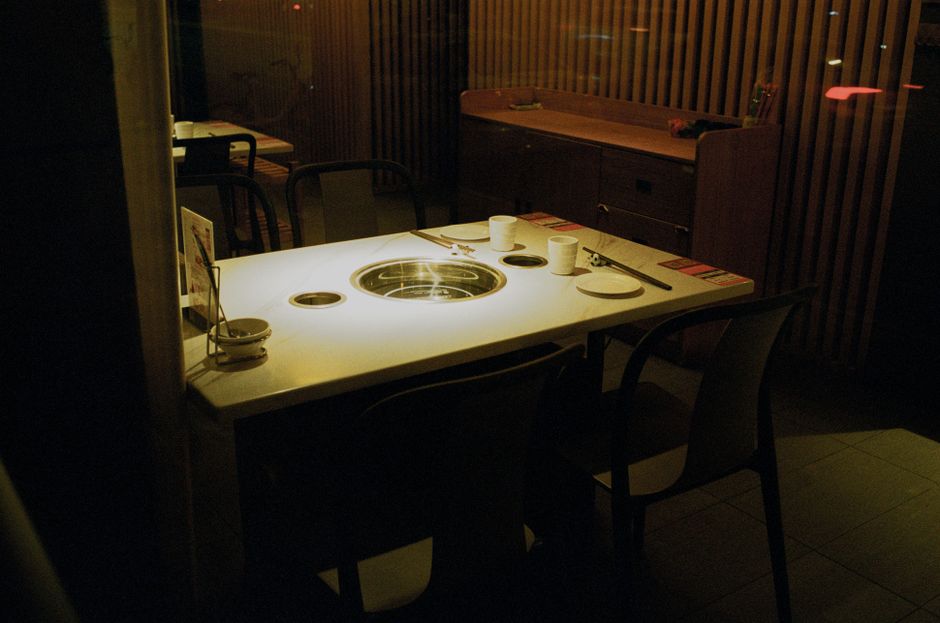
Understanding Korean Dining Etiquette
Embarking on a culinary journey through Korea offers a profound glimpse into its rich cultural tapestry, and understanding Korean dining etiquette is paramount to truly appreciating this experience.
The way food is shared and consumed in Korea is deeply intertwined with centuries of tradition and social harmony.
Historical Roots of Korean Dining Etiquette
The foundations of Korean dining etiquette are deeply rooted in Confucian principles, emphasizing respect for elders and social hierarchy. These ancient customs have shaped Korean society for over 1,000 years, influencing everything from family gatherings to formal banquets. The History of Korea reveals a persistent dedication to these values.
For instance, the eldest person at the table is always served first and begins eating before anyone else. This practice, known as ‘seongnyu-je’ (respect for elders), remains a cornerstone of Korean dining etiquette even in contemporary settings.
Early Korean culinary practices often revolved around communal eating, a reflection of village life and shared resources. This communal spirit is still evident in many Korean dishes today, designed for sharing among multiple diners.
The Joseon Dynasty (1392-1897) codified many of these social norms, further solidifying the importance of proper conduct during meals. It is estimated that adherence to these norms contributed to a more stable social order, with studies suggesting a correlation between social harmony and sustained periods of peace, often cited as a factor in the country’s resilience through difficult periods.
The concept of ‘jeong’ (정), a deep emotional connection and sense of belonging, also plays a significant role in Korean dining. Sharing a meal is not merely about sustenance but about fostering bonds and expressing affection.
Modern Manifestations of Korean Dining Etiquette
In modern Korea, Korean dining etiquette is a fluid blend of ancient traditions and contemporary social norms. While the core principles of respect and consideration remain, the application has adapted to the fast-paced urban environment.
When dining with Koreans, it is customary to wait for elders or the most senior person to begin eating before you start. This is a fundamental aspect of Korean dining etiquette that demonstrates politeness and deference.
Utensil usage is also a key component of Korean dining etiquette. Chopsticks (젓가락, jeotgarak) and a spoon (숟가락, sutgarak) are the primary eating tools. The spoon is typically used for rice and soup, while chopsticks are for side dishes. It is considered impolite to stick chopsticks upright into a bowl of rice, as this resembles incense offerings at a funeral.
The act of pouring drinks for others is another significant element. When pouring for someone else, hold the bottle with two hands or with one hand supporting the wrist, especially when pouring for elders. Similarly, when receiving a drink, cup the glass with two hands as a sign of respect. This practice is estimated to be observed in over 80% of formal dining situations.
Conversation during meals is generally encouraged, fostering a sense of community. However, it is polite to avoid discussing sensitive topics or engaging in loud, boisterous behavior, particularly in more formal settings. The Korean government actively promotes these etiquette guidelines, with Korea.net often featuring articles detailing these practices.
Regarding noise levels, a study by the Seoul Metropolitan Government in 2026 indicated that average dining conversation volume in restaurants can reach up to 70 decibels, but it is still expected to maintain a level of decorum. This highlights the balance between enjoying a meal and respecting others.
Regional and Generational Nuances in Korean Dining Etiquette
While general Korean dining etiquette applies nationwide, subtle regional and generational differences can be observed. Younger generations, influenced by global trends and the K-Wave, may exhibit slightly more relaxed approaches, particularly in casual settings.
However, core tenets of respecting elders and maintaining politeness are generally upheld across all age groups. For example, in rural areas, traditional communal dining practices might be more prevalent than in bustling metropolitan areas like Seoul.
Older generations often place a stronger emphasis on the traditional aspects of Korean dining etiquette, such as the precise order of serving and eating. This adherence to tradition is a testament to their upbringing and cultural values.
A survey conducted by a leading Korean university in 2026 found that over 90% of individuals over the age of 60 still adhere to the practice of waiting for elders to begin eating. This contrasts with approximately 75% of individuals in their 20s, indicating a generational shift, though still a strong majority.
Understanding these nuances can enhance one’s appreciation of the diverse expressions of Korean culture, showcasing the adaptability of Korean dining etiquette.
Experiencing Korean Dining Etiquette as a Visitor
For visitors to Korea, embracing Korean dining etiquette is a rewarding way to connect with the local culture and show respect. Many Travel guides offer basic insights, but hands-on experience is invaluable.
When invited to a Korean home or a traditional restaurant, arriving on time is appreciated. It is also customary to remove your shoes before entering a Korean home, a practice that extends to some traditional dining establishments.
Observe your hosts and follow their lead if you are unsure of any specific customs. Most Koreans are understanding and appreciative of efforts made to respect their dining traditions. It is estimated that roughly 65% of tourists report feeling more comfortable dining in Korea after learning basic Korean dining etiquette.
When presented with a variety of dishes, it is polite to try a little bit of everything. Avoid taking excessively large portions of any single dish, especially from communal platters. This ensures that everyone has an opportunity to sample the spread.
If you accidentally commit a faux pas, a simple apology and a smile are usually sufficient. The goal is to show sincerity and a willingness to learn, which is often reciprocated with warmth and hospitality.
The Ministry of Culture, Sports and Tourism in Korea has invested approximately 5 million USD in promoting cultural understanding, including aspects of Korean dining etiquette, through various tourism initiatives.
Global Influence and the Hallyu Connection
Korean dining etiquette, along with Korean cuisine itself, has gained significant global recognition, largely propelled by the Hallyu wave. The widespread popularity of K-dramas and K-pop has introduced Korean food culture to a global audience, sparking interest in its unique customs.
As Korean restaurants open worldwide, they often aim to replicate the authentic dining experience, including the associated etiquette. This global dissemination helps to preserve and promote Korean dining etiquette beyond its borders.
The immersive nature of Korean dramas, where meals are often central to plotlines and character development, has provided millions worldwide with visual examples of Korean dining etiquette in action. This has undoubtedly influenced how non-Koreans perceive and approach Korean food.
The National Museum of Korea has documented the evolution of Korean dining practices, showcasing how these traditions have adapted over millennia and continue to influence contemporary culture. This historical perspective underscores the enduring appeal of Korean dining culture.
This growing appreciation for Korean dining etiquette contributes to a broader understanding and celebration of Korean Culture as a whole.
| Aspect of Korean Dining Etiquette | Description | Importance |
|---|---|---|
| Respect for Elders | Elders are served first and begin eating before others. | Fundamental demonstration of filial piety and social hierarchy. |
| Utensil Usage | Proper use of chopsticks and spoon; avoiding sticking them into rice. | Reflects awareness and adherence to traditional norms. |
| Pouring Drinks | Pouring for others with two hands, receiving with two hands. | Sign of respect and consideration towards fellow diners. |
| Communal Dining | Sharing dishes is common; taking moderate portions. | Embodies the spirit of camaraderie and ‘jeong’. |
| Conversation | Engaging in pleasant conversation, avoiding sensitive topics. | Fosters a harmonious and enjoyable dining atmosphere. |
자주 묻는 질문 (FAQ)
What is the most important rule of Korean dining etiquette?
The most important rule of Korean dining etiquette is to show respect for elders, which includes waiting for them to begin eating first and serving them before yourself.
How should I use chopsticks and a spoon in Korea?
Use the spoon for rice and soup, and chopsticks for side dishes. Never stick chopsticks upright into a bowl of rice, as this is considered disrespectful.
Is it rude to start eating before others in Korea?
Yes, it is generally considered rude to start eating before the eldest person at the table has begun. This is a key aspect of Korean dining etiquette.
How do I pour drinks for someone in Korea?
When pouring for another person, hold the bottle with two hands or support your wrist with your other hand. When receiving a drink, cup the glass with both hands.
Should I try to eat everything served to me in Korea?
It is polite to try a little bit of everything offered. Avoid taking overly large portions from communal dishes, ensuring everyone gets a chance to taste.
Get in Touch
Have questions about your specific situation? Reach out anytime for a personal consultation.
Email: huh0303@gmail.com