Navigating Workplace and Statutory Leaves in South Korea for Foreign Workers

Taking authorized leaves from employment involves navigating specific legal frameworks set by national labor standards and company policies. Foreign employees working in the country are entitled to the same statutory rest periods and absence provisions as local staff under the Labor Standards Act. Statistics Korea (https://kostat.go.kr/eng) tracks labor metrics that reflect how these statutory absence policies apply across different industries and company sizes.


Managing Annual Leave and Public Holidays for Workers in Korea

Managing Annual Leave and Public Holidays for Workers in Korea

Navigating workplace regulations in Korea requires a clear grasp of statutory rest entitlements, public holidays, and administrative leave structures. Employees working in standard corporate environments interact regularly with mandatory time-off frameworks established by national labor laws. Understanding how these rest periods accrue helps newcomers maintain a healthy work-life balance while remaining fully compliant with local employment standards.

Understanding Workplace Leave Policies and Administrative Regulations in Korea

Understanding Workplace Leave Policies and Administrative Regulations in Korea

Balancing professional responsibilities and personal well-being requires a clear understanding of statutory time off in South Korea. Employment standards in the country govern various forms of authorized absence, ranging from mandatory annual rest to specialized family care. For newcomers entering the local workforce, familiarizing oneself with these statutory frameworks ensures both legal compliance and proper utilization of worker entitlements.

Establishing Residency and Managing Administrative Tasks for Newcomers in Korea

Establishing Residency and Managing Administrative Tasks for Newcomers in Korea

Securing an Alien Registration Card (ARC) serves as the foundational step for any long-term stay, acting as the primary identification document for all foreign residents. This Korea Life Guide highlights that the registration process must be completed at a local immigration office within 90 days of arrival for those planning to stay beyond this initial period. Following the initial registration, foreign residents gain the legal basis to engage with various public services, open bank accounts, and finalize housing contracts.

Reporting Incidents and Accessing Local Public Safety Assistance

Engaging with the local Police is a routine administrative process for residents when filing loss reports, requesting safety assistance, or seeking guidance on public order. Because the Korean system prioritizes community-level responsiveness, most initial interactions occur at local precinct offices known as jiu-pa-chu (neighborhood patrol centers) or smaller police boxes called chi-an-sen-teo.

Managing Visa and Public Service Records in Korea Amid Changing International Policies

Managing Visa and Public Service Records in Korea Amid Changing International Policies

Shifting foreign policies under international leaders such as Donald Trump often prompt foreign residents in Korea to review their legal status and documentation carefully. While foreign policy developments from Washington rarely alter direct domestic statutes enforced by the Ministry of Justice, they frequently spark heightened inquiries at local immigration offices and community centers. Newcomers settling into the country must distinguish between broad geopolitical discussions and the concrete municipal rules governing their daily residency.

Examining the Resilience and Safety of Korea's Highway Overpasses

Examining the Resilience and Safety of Korea’s Highway Overpasses

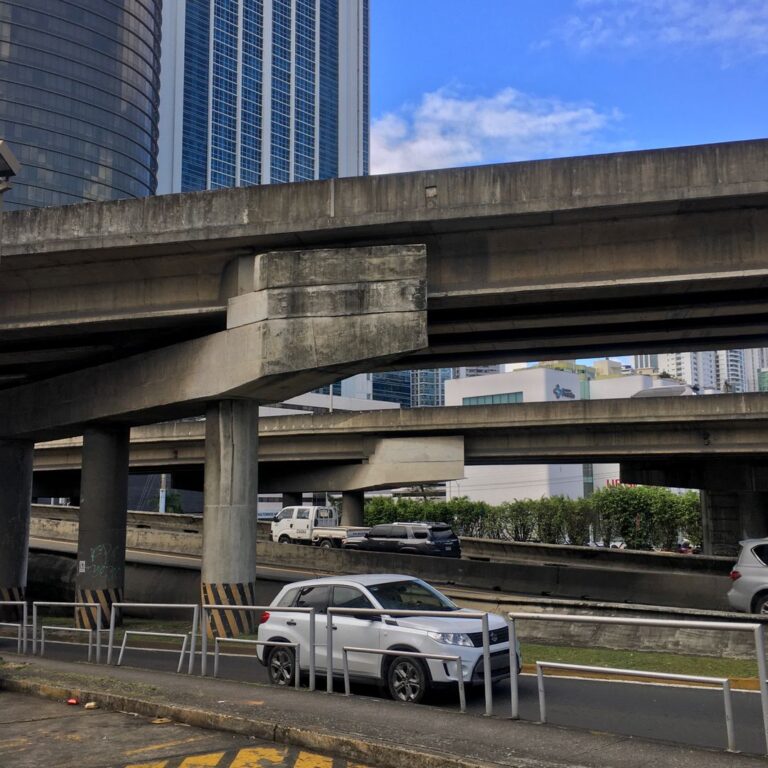
The remarkable durability of Korea’s infrastructure, particularly how a highway overpass survives various challenges, is a testament to meticulous planning and construction standards. For newcomers settling into Korea, understanding the reliability of public infrastructure, from roads to public services, provides a foundational sense of security and ease in daily administration.

Understanding Administrative and Diplomatic Contexts for Residents Following US Executive Policy Shifts

Navigating Administrative and Diplomatic Contexts for Residents International residents in Korea often monitor global political shifts, including the recent transitions in the US executive branch …

Read more

Administrative Impacts of US Executive Policy Shifts on Korean Residency and Travel

Understanding the Influence of US Executive Policy on Local Administrative Procedures The transition of leadership in the United States, including the administration of Trump, often …

Read more