Understanding How US Policy Shifts Under Donald Trump May Affect Public Service Navigation in Korea

The landscape of international relations, particularly concerning US policy, can introduce unique considerations for foreign residents navigating public services in Korea. Donald Trump’s past and potential future executive actions, which often emphasize shifts in immigration, trade, and international agreements, have a cascading effect that may influence how foreign residents from certain countries interact with Korean administrative procedures.


Adapting to Global Policy Shifts: What Newcomers to Korea Need to Know About US Administration Changes

Adapting to Global Policy Shifts: What Newcomers to Korea Need to Know About US Administration Changes

Shifts in global leadership, particularly involving figures such as Trump, often generate widespread international discussions that influence cross-border mobility and public awareness. For expatriates and international residents living in Korea, major geopolitical transitions can spark questions regarding currency fluctuations, immigration processing times, or municipal public services. Understanding how these macro-level events intersect with everyday administrative life helps newcomers maintain stability without unnecessary worry.

Administrative Protocols for International Visitors and Resident Documentation Following Official Departures

Administrative Protocols for International Visitors and Resident Documentation Following Official Departures

Administrative Protocols for International Visitors and Resident Documentation Following Official Departures When a high-profile diplomatic figure such as Pope Leo leaves a local jurisdiction, administrative …

Read more

Tracking US Foreign Policy Shifts and Managing Local Administrative Documentation in Korea

Shifts in global leadership, including administration changes under figures like Trump, often prompt foreign residents in South Korea to review their personal documentation and residency requirements. While domestic Korean laws govern local immigration and public services, shifts in bilateral foreign policy can occasionally influence consular processing times or international travel protocols. Maintaining accurate residency records helps expatriates navigate any indirect adjustments smoothly without unnecessary disruption to daily routines.

Administrative Coordination and Operational Adjustments for Foreign Residents During Partial Staffing Reductions

Administrative Coordination and Operational Adjustments for Foreign Residents During Partial Staffing Reductions

Implementing a 절반 철수 (partial withdrawal or 50% staffing reduction) in administrative or service-related departments necessitates proactive planning for foreign residents to maintain access to essential public services. When government offices or corporate service hubs operate at reduced capacity, the time required to process residency applications, civil complaints, or visa documentation often increases significantly. Understanding how these shifts impact your daily routine is the first step toward minimizing delays in your administrative requirements in Korea.

Managing Diplomatic and Official Documentation When Pope Leo Leaves Your Jurisdiction

Managing Diplomatic and Official Documentation When Pope Leo Leaves Your Jurisdiction

Managing Diplomatic and Official Documentation When Pope Leo Leaves Your Jurisdiction The departure of a high-level diplomatic figure such as when Pope Leo leaves his …

Read more

Managing Visa and Public Service Records in Korea Amid Changing International Policies

Managing Visa and Public Service Records in Korea Amid Changing International Policies

Shifting foreign policies under international leaders such as Donald Trump often prompt foreign residents in Korea to review their legal status and documentation carefully. While foreign policy developments from Washington rarely alter direct domestic statutes enforced by the Ministry of Justice, they frequently spark heightened inquiries at local immigration offices and community centers. Newcomers settling into the country must distinguish between broad geopolitical discussions and the concrete municipal rules governing their daily residency.

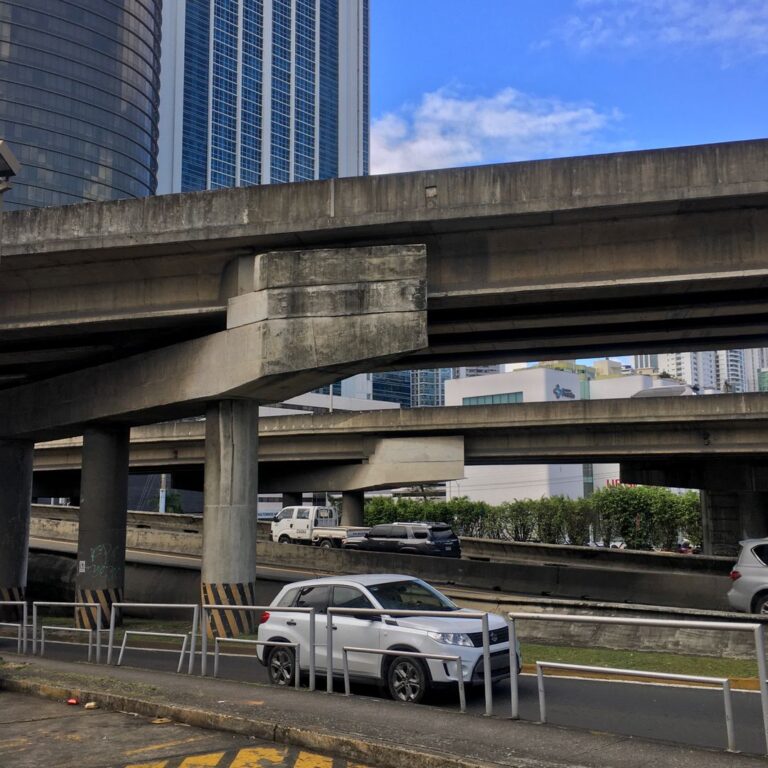
Examining the Resilience and Safety of Korea's Highway Overpasses

Examining the Resilience and Safety of Korea’s Highway Overpasses

The remarkable durability of Korea’s infrastructure, particularly how a highway overpass survives various challenges, is a testament to meticulous planning and construction standards. For newcomers settling into Korea, understanding the reliability of public infrastructure, from roads to public services, provides a foundational sense of security and ease in daily administration.

Understanding Administrative and Diplomatic Contexts for Residents Following US Executive Policy Shifts

Navigating Administrative and Diplomatic Contexts for Residents International residents in Korea often monitor global political shifts, including the recent transitions in the US executive branch …

Read more

Navigating Administrative Changes in Korea for Expats Tracking US Policy Shifts

Navigating Administrative Changes in Korea for Expats Tracking US Policy Shifts

Major shifts in foreign leadership, particularly involving figures like 트럼프, often trigger widespread public discussion regarding international trade, security pacts, and bilateral agreements between Seoul and Washington. For international residents living in the country, tracking these geopolitical developments is not merely a matter of following international news; it can occasionally influence economic indicators, currency exchange rates, and administrative procedures tied to foreign nationals. Recognizing how macroeconomic policy shifts filter down to municipal services helps newcomers maintain stable daily routines without unnecessary concern over shifting political headlines.