The Korea traditional culture preservation effort is not merely a governmental directive; it represents a deep-seated national commitment to safeguarding a heritage that transcends centuries. Far from being a static relic, Korean traditional culture is a vibrant, living entity constantly nurtured and protected. This endeavor involves intricate strategies, significant investment, and the collective spirit of a nation determined to maintain its unique identity amidst rapid modernization and global influences.
Understanding the layers of this preservation work reveals a dynamic interplay between historical reverence and innovative adaptation. It encompasses everything from majestic palaces to the subtle melodies of ancient folk songs. This comprehensive approach ensures that the soul of Korea continues to thrive, resonating both domestically and across international borders.
What Nobody Tells You About Korea’s Cultural Heritage: Beyond K-Pop
Beyond the globally celebrated phenomena of K-Pop, K-dramas, and contemporary tech innovations, Korea harbors an incredibly rich tapestry of traditional culture. This deeper heritage, though often less visible on the global stage, forms the very bedrock of Korean identity and creativity. It is this profound legacy that the Korea traditional culture preservation effort seeks to protect and promote.
Many outside observers might associate Korea solely with its modern advancements, overlooking the millennia of history and tradition that inform the present. However, a closer look reveals an active and robust commitment to heritage that predates and continually influences contemporary Korean culture. This dedication ensures that ancient wisdom and artistic forms remain relevant and accessible.
The Multifaceted Approach to Korea Traditional Culture Preservation Effort
The Korea traditional culture preservation effort is not a monolithic undertaking but a highly integrated, multifaceted strategy. It systematically addresses various forms of cultural heritage, recognizing their distinct characteristics and unique preservation needs. This comprehensive framework is crucial for effectively managing such a diverse array of national treasures.
From the towering stone pagodas to the intricate patterns of traditional crafts, each element requires a specialized method of care and safeguarding. This nuanced approach ensures that both tangible and intangible aspects of Korea’s past are sustained for future generations. The balance between academic research and practical implementation is key to its success.
Understanding Tangible vs. Intangible Heritage
A fundamental distinction in the Korea traditional culture preservation effort is made between tangible and intangible cultural heritage. This categorization helps in developing targeted and effective preservation strategies. Both types are equally valued and crucial for a complete understanding of Korea’s cultural landscape.
Tangible heritage refers to physical artifacts, structures, and sites that hold historical, artistic, or scientific significance. These are the visible markers of Korea’s past, demanding careful physical conservation and restoration. Their protection often involves architectural and archaeological expertise.
- Tangible Heritage Examples:
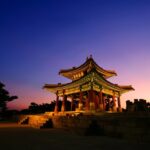
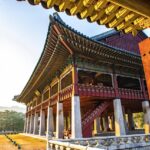
- Gyeongbokgung Palace, a magnificent symbol of the Joseon Dynasty’s royal power and architectural grandeur.
- Bulguksa Temple and Seokguram Grotto, UNESCO World Heritage Sites showcasing exquisite Buddhist art and architecture from the Silla Kingdom.
- The Royal Tombs of the Joseon Dynasty, meticulously preserved burial sites that reflect profound Confucian values.
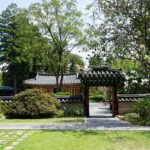
- Hahoe Folk Village and Yangdong Folk Village, traditional Korean villages that offer a glimpse into the lifestyles of the Joseon Dynasty aristocracy.
Intangible heritage, conversely, encompasses the living traditions, expressions, knowledge, and skills that communities recognize as part of their cultural heritage. These are often performance-based, ritualistic, or craft-based, passed down through generations. Their preservation focuses on human transmission and practice rather than physical objects.
- Intangible Heritage Examples:
- Arirang, a widely beloved Korean folk song, recognized by UNESCO for its cultural significance and widespread variations.
- Kimjang, the elaborate communal practice of making and sharing kimchi, embodying a spirit of cooperation and shared identity.
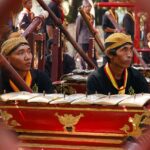
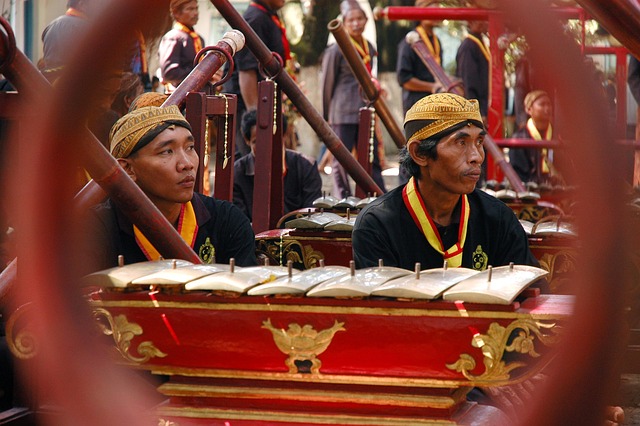
- Pansori, a unique Korean epic chant performed by a singer and a drummer, conveying intricate narratives and emotions.
- Taekkyeon, a traditional Korean martial art that combines fluid, graceful movements with effective self-defense techniques.
- Jultagi, the thrilling tightrope walking performance, an ancient form of entertainment and artistic expression.
The strategies for preserving these two distinct categories are tailored to their unique natures. Tangible assets require physical conservation, while intangible assets demand active practice, transmission, and documentation to ensure their continuity. This dual focus defines the thoroughness of the Korea traditional culture preservation effort.
Governmental Pillars: Policies and Funding Driving the Korea Traditional Culture Preservation Effort
At the heart of the Korea traditional culture preservation effort are robust governmental initiatives, underpinned by comprehensive legislative frameworks and substantial financial commitment. These governmental pillars provide the essential structure and resources for safeguarding the nation’s heritage. The state’s role is proactive and far-reaching.
Through dedicated agencies and strategic policies, the government ensures that cultural assets are identified, protected, and managed effectively. This top-down approach complements grassroots efforts, creating a formidable defense against the erosion of tradition. This commitment reflects a profound national understanding of cultural value.
Legislative Frameworks and UNESCO Recognition
The cornerstone of Korea’s cultural protection dates back to the Cultural Heritage Protection Act, first enacted in 1962. This landmark legislation established the legal basis for designating, preserving, and managing national cultural properties. It serves as the bedrock upon which all subsequent preservation efforts are built.
The Cultural Heritage Administration (CHA) is the central governmental body responsible for executing this act and overseeing the nation’s cultural heritage. The CHA actively designates and registers National Treasures, Treasures, and Important Intangible Cultural Heritage, providing specific legal protections and financial support for their upkeep. Their meticulous work is vital to the ongoing Korea traditional culture preservation effort.
- Key Governmental Contributions:
- The CHA manages an extensive list of cultural properties, including over 300 National Treasures and thousands of Treasures, ensuring their systematic conservation.
- Korea boasts an impressive international recognition, with 14 UNESCO World Heritage Sites, 22 elements inscribed on the UNESCO Representative List of the Intangible Cultural Heritage of Humanity, and 16 items on the UNESCO Memory of the World Register. This global acknowledgment underscores the universal value of Korea’s heritage.
- Substantial annual budgets are allocated for the restoration, maintenance, research, and promotion of these invaluable assets. For instance, the CHA’s budget for 2023 was approximately 1.2 trillion KRW, which is roughly 900 million USD. This significant investment demonstrates the government’s steadfast dedication to the Korea traditional culture preservation effort.
These legislative and financial commitments ensure that expert conservators, historians, and artisans can dedicate their lives to preserving these irreplaceable treasures. The continuous update of laws and policies reflects an adaptive strategy to emerging challenges in cultural heritage protection. This comprehensive framework solidifies Korea’s position as a leader in cultural stewardship.
Community and Innovation: Grassroots and Digital Strategies in Korea Traditional Culture Preservation Effort
While governmental agencies provide critical infrastructure and funding, the enduring vitality of the Korea traditional culture preservation effort also largely stems from dynamic grassroots movements and innovative technological advancements. These complementary forces ensure that cultural heritage remains relevant and accessible to all citizens. This synergy creates a powerful momentum.
Community involvement breathes life into traditions, preventing them from becoming museum pieces. Simultaneously, digital strategies offer unprecedented tools for documentation, dissemination, and engagement. Together, they form a robust defense against apathy and obsolescence, driving the future of cultural preservation.
The Role of Non-Profits and Digital Platforms
Numerous non-governmental organizations (NGOs), local community groups, and individual cultural practitioners play an indispensable role in the Korea traditional culture preservation effort. These entities often work at the ground level, directly engaging with specific traditions and communities. Their passion and intimate knowledge are irreplaceable.
They organize local festivals, run artisan training programs, and establish cultural experience centers, creating direct pathways for public engagement. These initiatives foster a sense of ownership and pride among local populations, ensuring that traditions are lived and practiced, not just observed. This organic growth is vital for sustainability.
- Grassroots and Community-led Initiatives:
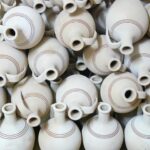
- Local cultural foundations actively support traditional art forms such as pottery, Hanji (traditional paper making), and traditional music classes.
- Elderly practitioners often serve as “Human Cultural Treasures” (Important Intangible Cultural Heritage holders), receiving support to transmit their skills through apprenticeships and public demonstrations.
- Community-driven efforts include the revival of traditional village rites and seasonal ceremonies, connecting modern residents with their ancestral past.
- Youth programs and school curricula increasingly integrate traditional arts and history, cultivating appreciation from an early age.
In parallel, digital technologies are revolutionizing the way cultural heritage is preserved and shared. Advanced tools offer new possibilities for documenting intricate details and reaching wider audiences. This digital transformation is a game-changer for the Korea traditional culture preservation effort.
- Digital Preservation and Engagement Strategies:
- 3D Scanning and Modeling: Historical sites, artifacts, and even traditional Korean houses (Hanok) are meticulously scanned to create high-fidelity digital replicas, preserving their exact forms.
- Virtual Reality (VR) and Augmented Reality (AR): These technologies offer immersive experiences, allowing users to virtually explore ancient palaces, participate in historical events, or interact with digital renderings of lost artifacts.
- Online Archives and Databases: Vast collections of texts, images, audio, and video related to intangible cultural heritage are digitized and made accessible to researchers and the general public worldwide.
- Digital Cultural Heritage Map: Platforms like this democratize access, allowing citizens to explore cultural properties in their vicinity and even contribute their own knowledge.
These innovative approaches ensure that cultural heritage is not confined to physical spaces or exclusive academic circles. They foster broader engagement and provide crucial backups against natural disasters or degradation. The marriage of community spirit and technological prowess significantly strengthens the Korea traditional culture preservation effort.
Challenges and Future Directions in the Korea Traditional Culture Preservation Effort
Despite the remarkable achievements in safeguarding its heritage, the Korea traditional culture preservation effort continues to confront significant challenges. Modernity, globalization, and demographic shifts all pose threats that demand adaptive and forward-thinking solutions. These pressures require constant vigilance and strategic planning.
Addressing these obstacles is crucial for ensuring the long-term viability and relevance of Korean traditional culture. The ongoing efforts must evolve to meet new realities while staying true to the core values of heritage preservation. This continuous adaptation is key to sustained success.
Navigating Modernization and Globalization
Rapid urbanization and industrialization have inevitably led to the loss of some traditional landscapes and architectural styles. The allure of global pop culture and Western lifestyles also presents a challenge, sometimes diminishing interest in traditional practices among younger generations. This cultural shift creates a subtle but potent threat.
Furthermore, the aging population of highly skilled traditional artisans poses a critical concern. As these masters retire or pass away, there is an ever-present risk of losing irreplaceable knowledge and unique craftsmanship. Ensuring the effective transmission of these skills is paramount for the future of the Korea traditional culture preservation effort.
To counteract these challenges, future directions emphasize several key areas. Promoting cultural education from early childhood is crucial to instilling a deep appreciation for heritage. Encouraging young people to learn traditional arts and skills through attractive incentive programs is also vital. This generational transfer is non-negotiable.
International collaboration in heritage preservation and cultural exchange can also bring fresh perspectives and resources. Furthermore, finding innovative ways to integrate traditional elements into contemporary life—through design, fashion, and food—can help maintain their relevance. This fusion approach ensures continuity.
| Aspect | Tangible Heritage Preservation | Intangible Heritage Preservation |
| Focus | Physical structures, artifacts, historical sites | Practices, expressions, knowledge, skills, customs |
| Primary Method | Restoration, conservation, archaeological study, site management, legal protection | Documentation, transmission (education, training, apprenticeships), revitalization, safeguarding living practitioners |
| Key Challenge | Environmental degradation, structural decay, urban encroachment, mass tourism impact, illegal excavation | Loss of practitioners, fading interest (especially among youth), commercialization, difficulty in defining and bounding, cultural appropriation |
| Stakeholders | Architects, historians, conservators, archaeologists, government bodies, local communities, construction companies | Practitioners, community elders, cultural institutions, educators, local communities, ethnographers, performing artists |
These comparisons highlight the distinct yet equally vital challenges faced by the Korea traditional culture preservation effort in its diverse aspects. Each calls for specialized strategies and a concerted effort from a wide range of stakeholders.
The sustainability of the Korea traditional culture preservation effort hinges on cultivating cultural literacy and appreciation from an early age. By integrating heritage into education and daily life, Korea aims to ensure that its traditions are not just preserved but continually reinterpreted and celebrated. This proactive approach safeguards its unique identity in an ever-changing world.
The Global Resonance and Economic Impact of Korea’s Cultural Heritage Preservation
The impact of a robust Korea traditional culture preservation effort extends far beyond national pride; it has significant global resonance and tangible economic benefits. Korea’s commitment to its heritage strengthens its cultural diplomacy and attracts considerable international attention. This demonstrates the universal appeal of its ancient traditions.
UNESCO World Heritage Sites, for instance, draw millions of visitors annually, contributing substantially to the tourism economy. These sites, meticulously preserved through the dedicated effort, offer immersive historical experiences that cannot be replicated elsewhere. Such cultural tourism creates jobs and stimulates local economies, reinforcing the value of preservation.
Moreover, the distinctiveness of Korean traditional culture continually influences contemporary arts, design, fashion, and even cuisine. Elements from traditional Hanok architecture, celadon pottery, and vibrant Dancheong patterns inspire modern creators, leading to unique cultural products and experiences. This fusion of old and new generates a powerful soft power that resonates worldwide, boosting Korea’s global image.
The continued success of the Korea traditional culture preservation effort ensures that Korea’s rich heritage remains a dynamic, evolving legacy for future generations. It showcases a nation deeply committed to its roots, expertly balancing progress with profound respect for its past. This ongoing stewardship solidifies Korea’s position as a cultural powerhouse on the international stage.
🔗 Korea traditional culture preservation effort 연관 인기 가이드
- ✨ Korea traditional culture preservation effort Extensive Industry Report
- ✨ Korea traditional culture preservation effort Extensive Industry Report
- ✨ Korea traditional culture preservation effort Extensive Industry Report
- ✨ Korea traditional culture preservation effort Extensive Industry Report
- ✨ Korea traditional culture preservation effort Extensive Industry Report
- ✨ Korea traditional culture preservation effort Extensive Industry Report
📚 References & Official Sources
❓ Frequently Asked Questions
What is the primary goal of the Korea traditional culture preservation effort?
The primary goal is to safeguard, transmit, and promote Korea’s rich tangible and intangible cultural heritage for future generations, ensuring its continuity and relevance amidst modernization.
How does technology aid in preserving Korean traditional culture?
Technology aids significantly through 3D scanning for digital replicas, VR/AR for immersive experiences of historical sites, and online archives for documenting and disseminating intangible cultural heritage, making it accessible globally.
Can individuals contribute to the Korea traditional culture preservation effort?
Yes, individuals can contribute by participating in local cultural events, learning traditional arts, visiting heritage sites, volunteering with cultural organizations, and supporting artisans and cultural practitioners.