The allure of Korean traditional clothing hanbok is undeniable, capturing hearts worldwide with its vibrant colors, graceful lines, and rich historical tapestry. More than just attire, hanbok embodies centuries of Korean heritage, reflecting the nation’s aesthetic values and social customs. From ancient dynasties to modern-day fashion runways, this iconic garment continues to evolve while maintaining its timeless charm. This comprehensive guide for 2026 will unravel the fascinating world of hanbok, offering insights into its history, components, modern interpretations, and how you can experience its beauty firsthand.
Table of Contents
- Understanding Korean Traditional Clothing Hanbok: A Timeless Legacy
- The Anatomy of Hanbok: Key Components and Styles
- Modern Adaptations and Global Popularity of Hanbok
- How to Wear Hanbok: A Step-by-Step Guide
- Caring for Your Hanbok: Preservation Tips
- Where to Experience Hanbok in Korea
- FAQ Section
- Conclusion
Understanding Korean Traditional Clothing Hanbok: A Timeless Legacy
Hanbok, literally meaning “Korean clothing,” is the traditional attire of the Korean people. Its origins trace back to the Three Kingdoms period (57 BCE – 668 CE), evolving significantly through various dynasties, each leaving its distinct mark on the silhouette and design. Initially worn daily by all social classes, hanbok symbolized status, identity, and cultural pride.
Brief History: From Ancient Times to Modern Day
Early hanbok featured practical, flowing designs suitable for nomadic life. During the Joseon Dynasty (1392-1897), it reached its most recognizable form: a short jacket (jeogori) for women and men, a long skirt (chima) for women, and wide trousers (baji) for men. The colors and fabrics often denoted social standing, with royalty and nobility wearing silks and intricate embroideries, while commoners wore simpler cotton or hemp in muted tones. The Cultural Heritage Administration of Korea plays a vital role in preserving this rich history. After the Korean War, Western clothing became dominant, but hanbok maintained its ceremonial significance, worn for holidays, weddings, and special events.
Symbolism and Significance
Every element of hanbok carries symbolic meaning. The gentle curves and voluminous shapes represent the beauty of nature and the Korean philosophy of harmony. The vibrant colors often signify different virtues or social statuses: red for good fortune, blue for stability, yellow for royalty, and white for purity. Wearing hanbok is not just donning clothes; it’s an act of connecting with Korea’s profound cultural narrative. A 2023 survey by the Ministry of Culture, Sports and Tourism indicated that over 70% of foreign tourists expressed interest in trying hanbok during their visit, highlighting its enduring appeal.
The Anatomy of Hanbok: Key Components and Styles
Understanding the fundamental components of hanbok reveals the artistry behind its construction. While designs have varied through centuries, the core elements remain consistent.
Jeogori, Chima, Baji: Essential Elements
The primary pieces of hanbok are the jeogori (a short jacket), the chima (a voluminous skirt for women), and the baji (trousers for men). The jeogori features a distinctive collar (git), arm panels (gil), and ribbons (goreum) that tie the jacket. The chima, often pleated, creates a beautiful bell-like silhouette, while the baji are designed for comfort and ease of movement. Beyond these, a po (outer coat) was often worn, especially by men or for ceremonial occasions.
Gat, Kkotsin, Norigae: Accessories that Complete the Look
Accessories are crucial for a complete hanbok ensemble. Men traditionally wore a gat (horsehair hat), symbolizing their scholarly or noble status. Women adorned their hair with elaborate pins (binyeo) and ribbons (daenggi). Footwear included kkotsin (embroidered silk shoes). Perhaps the most beloved accessory is the norigae, an intricate pendant hung from the jacket or skirt, often featuring detailed knotwork and precious stones. These accessories not only enhance the beauty but also provide insights into the wearer’s social standing and personal taste.
| Component | Description | Worn By |
|---|---|---|
| Jeogori | Basic upper garment, short jacket with ties | Men & Women |
| Chima | Long, voluminous skirt | Women |
| Baji | Loose-fitting trousers | Men |
| Gat | Traditional men’s hat (horsehair) | Men |
| Norigae | Decorative pendant, often with intricate knots | Women |
Modern Adaptations and Global Popularity of Korean Traditional Clothing Hanbok
While rooted in tradition, Korean traditional clothing hanbok has found a new lease on life in the 21st century. Designers are reimagining its classic forms, making it relevant for contemporary fashion and everyday wear.
Contemporary Hanbok: Bridging Tradition and Trend
Modern hanbok designs incorporate lighter fabrics, simplified lines, and practical elements like zippers, making them more comfortable and versatile. These adaptations range from casual daily wear to elegant evening gowns inspired by hanbok silhouettes. The goal is to preserve the spirit of hanbok while making it accessible and fashionable for a wider audience. According to Reuters, “South Korean hanbok designers modernize traditional dress,” showcasing how the garment is being reinterpreted for global appeal (Source: Reuters, 2022).
Hanbok in Pop Culture and Tourism
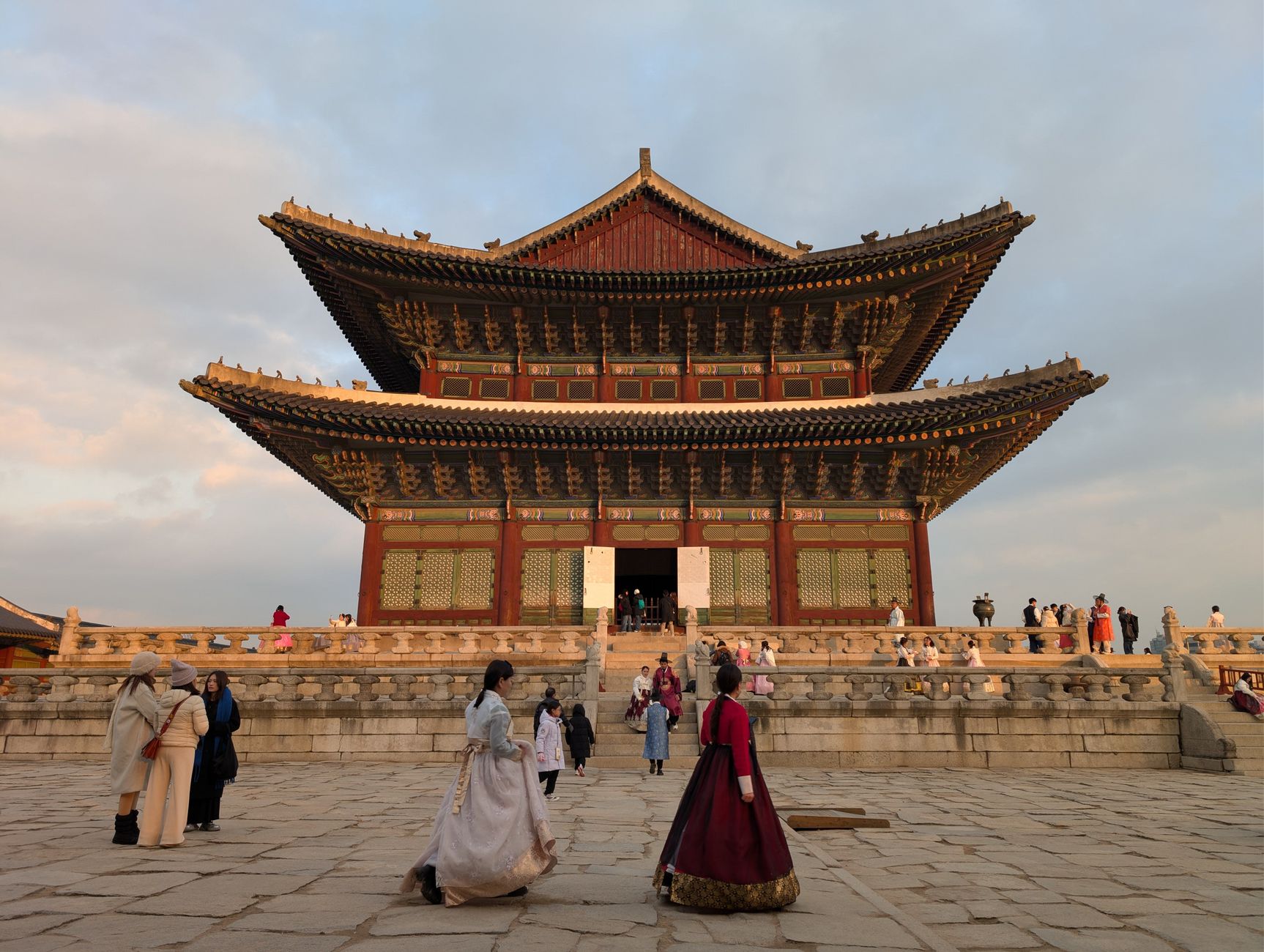
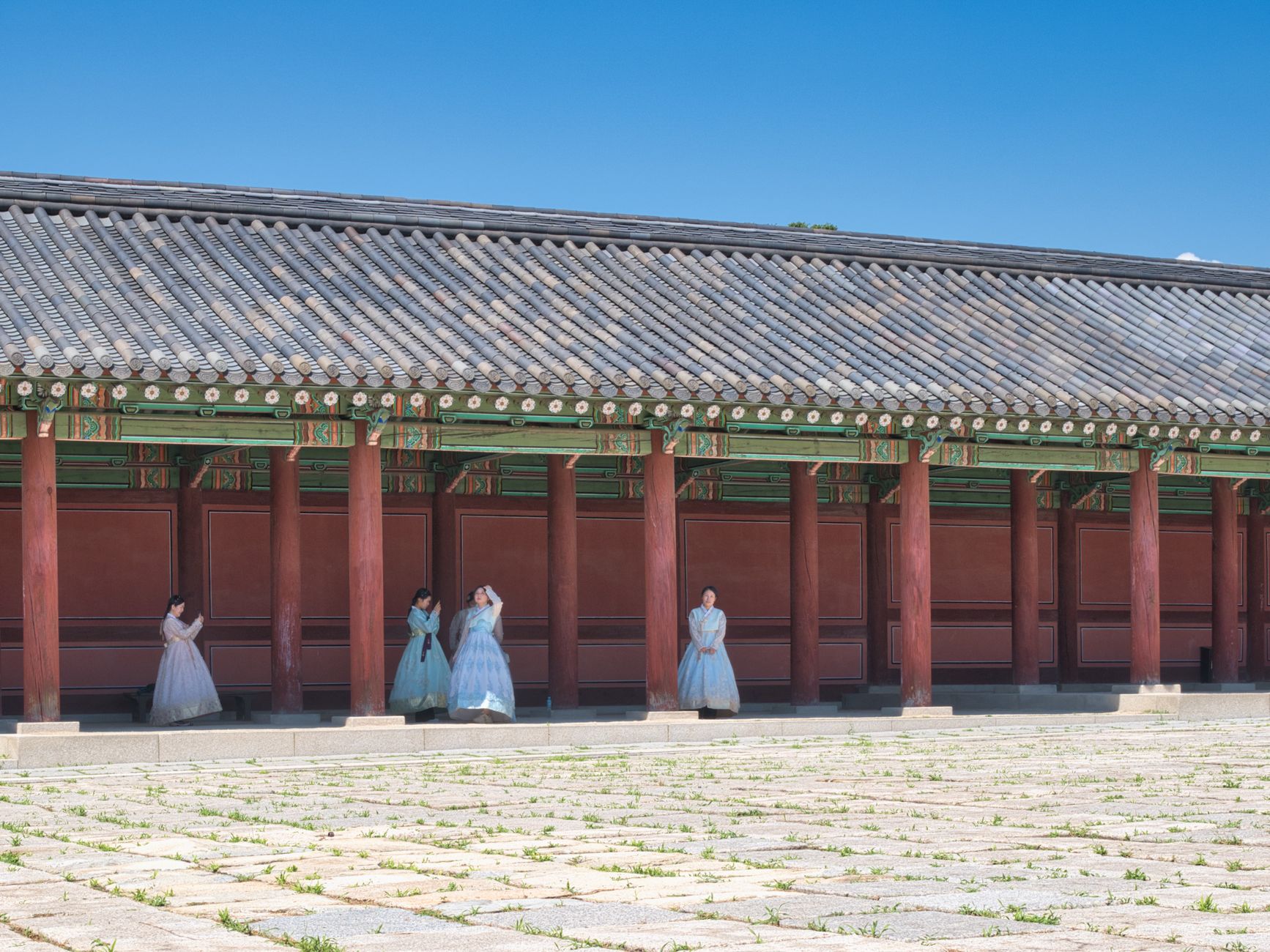
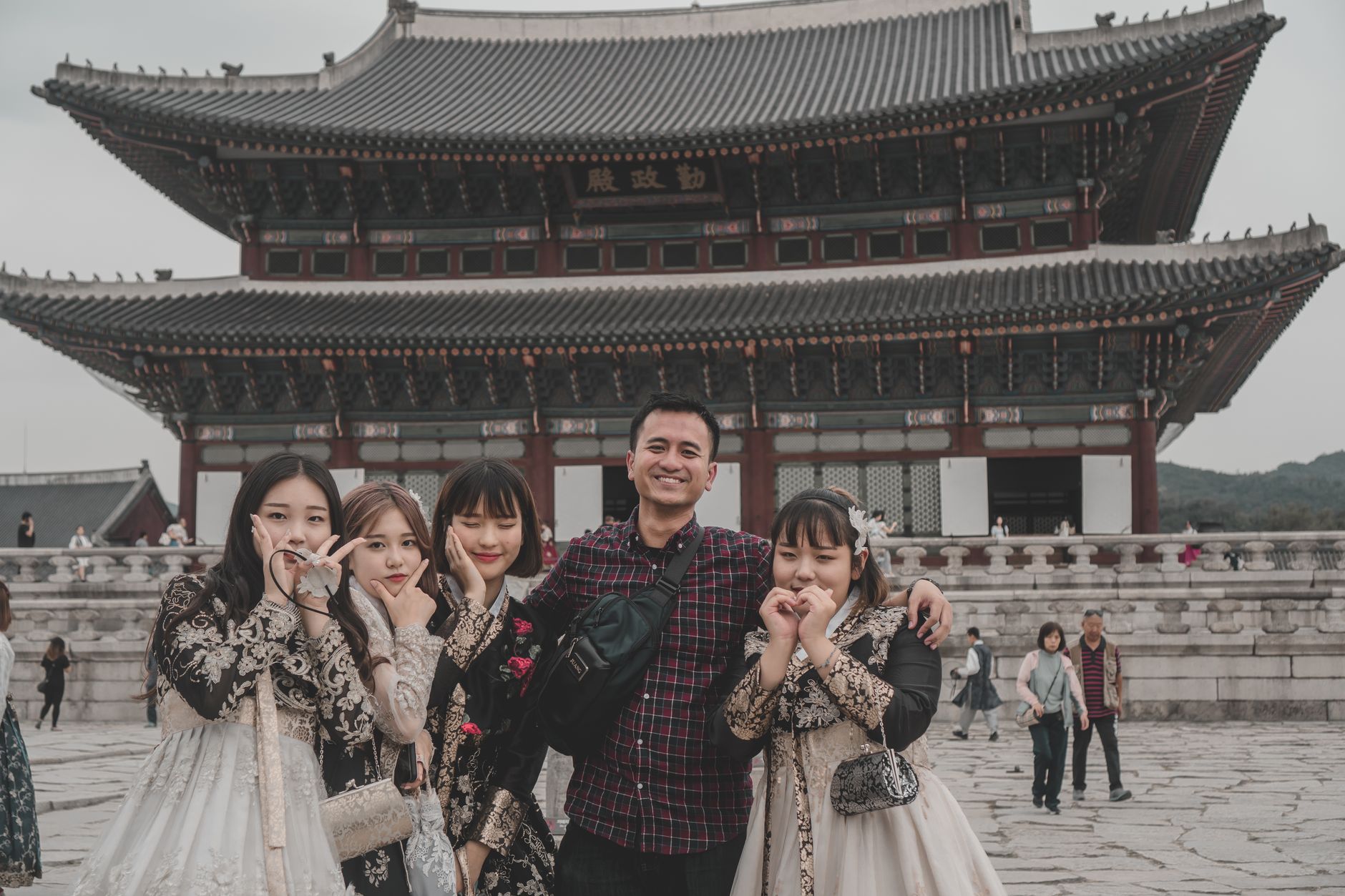
Hanbok’s presence in K-dramas, K-pop music videos, and films has significantly boosted its global visibility. This exposure has fueled a surge in hanbok tourism, particularly in Seoul, where visitors flock to cultural sites like Gyeongbokgung Palace wearing rented hanbok. This trend has not only revitalized the industry but also offered a unique cultural experience. Hanbok rental businesses in popular tourist areas like Gyeongbokgung Palace saw a 30% increase in customers between 2021 and 2023, demonstrating its growing appeal. For a deeper dive into Korea’s vibrant cultural scene, explore Korean festivals and events.
| Feature | Traditional Hanbok | Modern Hanbok |
|---|---|---|
| Fabric | Silk, ramie, hemp, cotton | Cotton, linen, blends, synthetic materials |
| Design | Strictly defined, ceremonial, voluminous | Simplified, practical, diverse silhouettes |
| Occasion | Ceremonies, holidays, formal events | Daily wear, special occasions, fashion statements |
| Fastening | Ties (goreum) | Ties, zippers, buttons |
How to Wear Hanbok: A Step-by-Step Guide
Wearing hanbok, especially the traditional style, involves a specific sequence to achieve the elegant silhouette. Here’s a simplified guide:
- Wear Innerwear: Start with a white, sleeveless undershirt and shorts or bloomers for comfort and to help the hanbok drape properly.
- Put on the Chima (Skirt): For women, wear the chima over your innerwear, tying it high above the bust to create a long, graceful line. Adjust the pleats evenly.
- Don the Jeogori (Jacket): Slip on the jeogori, ensuring the collar (git) is neat. Tie the two goreum (ribbons) into a soft knot, with one loop slightly longer than the other.
- Add Baji (Trousers) for Men: Men wear the baji first, tying them securely at the waist.
- Add Jeogori for Men: Men then wear their jeogori over the baji, tying the goreum.
- Accessorize: Complete your look with kkotsin (embroidered shoes), norigae, and appropriate headwear like a gat for men or a daenggi for women.
When in Korea, particularly in areas like Bukchon Hanok Village or near Gyeongbokgung, you’ll find numerous hanbok rental shops. They often provide assistance with dressing, making the experience seamless. Consider exploring the Korea Tourism Organization for more cultural experiences.
Caring for Your Hanbok: Preservation Tips
Hanbok, especially those made from delicate silks, requires careful handling to maintain its beauty and longevity. Proper care ensures these garments can be cherished for generations.
Washing and Storage Guidelines
Traditional hanbok often requires professional dry cleaning, particularly for silk or embroidered pieces. For modern hanbok made from more durable fabrics, hand washing with mild detergent in cold water might be possible, but always check the care label. When storing, fold hanbok neatly along its seams and place it in a breathable garment bag, away from direct sunlight and humidity. Using acid-free tissue paper between folds can prevent creasing and yellowing. An expert perspective suggests, “Investing in proper archival storage for heirloom hanbok ensures its textile integrity for decades, preserving not just fabric but family history.”
Maintaining Fabric Integrity
Avoid harsh chemicals or excessive heat, which can damage delicate fabrics and embroidery. If ironing is necessary, use a low heat setting and place a cloth between the iron and the hanbok. Promptly address any stains to prevent them from setting. By following these guidelines, you can ensure your hanbok remains a vibrant piece of Korean heritage. For more general travel tips, check out our travel tips for Korea.
Where to Experience Hanbok in Korea
Experiencing hanbok is a highlight for many visitors to Korea. It’s a fantastic way to immerse yourself in the culture and capture stunning photographs.
Rental Shops and Cultural Centers
Seoul boasts numerous hanbok rental shops, especially around major palaces like Gyeongbokgung, Changdeokgung, and Bukchon Hanok Village. Prices typically range from ₩10,000 to ₩50,000 for a few hours or a full day, depending on the quality and intricacy of the hanbok. Many shops offer hair styling and accessory rentals too. Cultural centers, like the National Folk Museum of Korea, often provide hanbok experience programs, sometimes even for free. For navigating Seoul, understanding the Korean internet and wifi guide can be very helpful.
Festivals and Events
Throughout the year, Korea hosts various festivals and events where hanbok is prominently featured. Chuseok (Korean Thanksgiving) and Seollal (Lunar New Year) are prime examples, where families traditionally wear hanbok. Many local government initiatives and cultural foundations, like the Korean Foundation for International Cultural Exchange (KOFICE), organize hanbok parades, fashion shows, and cultural days. These events offer a wonderful opportunity to see diverse hanbok styles and appreciate their cultural significance. You might even find opportunities to try different Korean food guide for beginners while exploring these events. If you’re staying for a while, knowing the best neighborhoods Seoul expats can provide a great base for your cultural adventures.
FAQ Section
Q1: Is it mandatory to wear hanbok for certain occasions in Korea?
A1: While not mandatory for most modern occasions, hanbok is traditionally worn during major holidays like Seollal (Lunar New Year) and Chuseok (Korean Thanksgiving), family ceremonies such as weddings and 60th birthday celebrations (Hwangap), and cultural festivals. Many Koreans choose to wear modern hanbok for convenience.
Q2: Can foreigners wear hanbok?
A2: Absolutely! Foreigners are highly encouraged to wear hanbok as a way to experience and appreciate Korean culture. Many tourist attractions, especially palaces in Seoul, offer free entry to visitors wearing hanbok.
Q3: What are the main differences between men’s and women’s hanbok?
A3: Women’s hanbok typically consists of a jeogori (short jacket) and a chima (long, voluminous skirt). Men’s hanbok includes a jeogori and baji (trousers), often topped with a po (outer coat) and a gat (hat).
Q4: How much does it cost to rent a hanbok in Korea?
A4: Hanbok rental prices vary but generally range from ₩10,000 to ₩50,000 (approximately $8-$40 USD) for a few hours to a full day. Prices depend on the quality, design, and included accessories. Some premium options can be more expensive.
Q5: Are there specific rules or etiquette for wearing hanbok?
A5: While modern usage is more relaxed, traditionally, hanbok should be worn neatly. For women, the chima should cover the ankles. For both genders, the goreum (ribbons on the jeogori) should be tied correctly. When visiting formal sites like temples or palaces, modest behavior is always appreciated. You can also learn about Korean restaurant etiquette for a complete cultural immersion.
Q6: Where can I buy a custom-made hanbok?
A6: In Seoul, areas like Jongno-gu and Gangnam have numerous hanbok boutiques that offer custom-made services. Reputable shops will take your measurements and help you choose fabrics and designs. Online retailers also offer custom options, but in-person fitting is recommended for the best result.
Q7: Is modern hanbok considered disrespectful?
A7: No, modern hanbok is generally not considered disrespectful. It’s seen as a creative evolution and a way to keep the tradition alive and relevant in contemporary society. Many designers are celebrated for their efforts to blend traditional aesthetics with modern comfort and style.
Conclusion
The elegance and cultural depth of Korean traditional clothing hanbok offer a unique window into Korea’s soul. From its historical roots to its vibrant presence in modern fashion and global tourism, hanbok continues to be a powerful symbol of Korean identity. We hope this guide has inspired you to explore its beauty, whether by learning its history, admiring its designs, or experiencing the joy of wearing it yourself. Embrace the timeless charm of hanbok and let it be a part of your unforgettable Korean journey! Planning to unwind after your cultural adventure? Don’t forget our Korean spa jjimjilbang guide.