Korean Climate and Seasons Packing: A Comprehensive Guide
Planning a trip to South Korea requires careful consideration of its distinct climate and seasonal variations. Understanding the Korean climate and seasons packing needs will ensure a comfortable and enjoyable experience, regardless of when you choose to visit. From the sweltering heat of summer to the biting cold of winter, each season presents unique challenges and opportunities for exploration. This guide will delve into the specifics of each season, offering detailed packing advice and cultural insights to help you prepare.
Understanding Korea’s Four Distinct Seasons
South Korea experiences a temperate climate with four pronounced seasons: spring, summer, autumn, and winter. These seasons are characterized by significant temperature fluctuations and varying precipitation patterns. The Korean Meteorological Administration (KMA) regularly provides detailed climate data and forecasts, which are invaluable resources for travelers planning their itineraries and packing lists. For instance, average temperatures can vary by as much as 30 degrees Celsius between the coldest month (January) and the hottest month (August).
Spring (March – May): A Time of Blooming and Mild Weather
Spring in Korea is a beautiful transition period. Temperatures gradually warm up after the winter chill, typically ranging from 5°C to 15°C in March and rising to a pleasant 15°C to 25°C by May. This is a popular time to visit, with cherry blossoms and other flowers coming into full bloom across the country. When packing for spring, focus on layering. Lightweight jackets, sweaters, long-sleeved shirts, and comfortable trousers are essential.
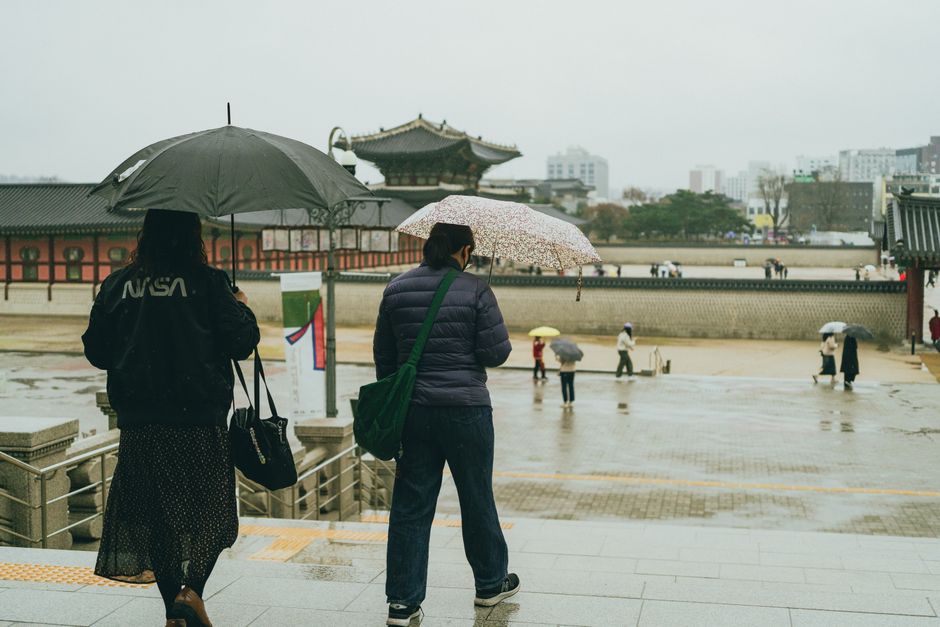
Don’t forget a light scarf and perhaps a pair of gloves for the cooler evenings, especially in March. Comfortable walking shoes are a must, as you’ll likely be doing a lot of exploring. If you plan to visit during early spring, particularly March, a slightly warmer jacket might be advisable. Packing a small umbrella or a waterproof jacket is also a good idea, as spring can bring occasional rain showers.
Summer (June – August): Hot, Humid, and Rainy
Summer in Korea is characterized by high temperatures and humidity, with average temperatures often exceeding 30°C. June typically marks the beginning of the monsoon season, known as ‘Jangma,’ which can bring heavy rainfall and occasional typhoons. July and August are the hottest and most humid months. Therefore, packing for summer requires focusing on lightweight, breathable fabrics.
Cotton, linen, and moisture-wicking materials are ideal. T-shirts, shorts, skirts, and light dresses are perfect for daytime wear. Sun protection is paramount; pack sunscreen with a high SPF, a wide-brimmed hat, and sunglasses. An umbrella or a lightweight, packable raincoat is absolutely indispensable for the frequent downpours. Consider bringing a small portable fan to combat the humidity, and perhaps some insect repellent, especially if you plan to spend time outdoors in rural areas or parks.
Autumn (September – November): The Golden Season
Autumn is widely considered the most pleasant season in Korea, often referred to as the “golden season.” The weather is typically dry, sunny, and crisp, with temperatures gradually cooling from the summer heat. September can still be warm, around 20°C to 25°C, while November can see temperatures dropping to 5°C to 15°C. This is an excellent time for outdoor activities, hiking, and enjoying the vibrant autumn foliage.
For Korean climate and seasons packing in autumn, layering is again key. Pack a mix of long-sleeved shirts, sweaters, cardigans, and comfortable trousers or jeans. A medium-weight jacket or a stylish trench coat will be perfect for cooler days and evenings. Comfortable walking shoes remain essential. As the season progresses into late autumn, you might need a warmer coat and potentially a scarf and gloves, especially for early mornings and late nights.
Winter (December – February): Cold and Snowy
Winter in Korea can be quite cold, with average temperatures often dropping below freezing, especially in January, the coldest month. Snowfall is common, particularly in the northern regions and mountainous areas. While the cold can be intense, the crisp winter air and occasional snow create a beautiful, serene landscape. Ski resorts are popular during this time.
When packing for winter, think warm and insulated. A heavy, down-filled winter coat is essential. Thermal base layers, wool sweaters, fleece jackets, and thick trousers will be your best friends. Don’t forget warm accessories: a thick scarf, a warm hat that covers your ears, and insulated gloves or mittens are crucial. Waterproof and insulated boots with good traction are highly recommended for navigating snowy or icy conditions. Hand warmers can also be a lifesaver. For those planning winter sports, ensure you pack appropriate gear or budget for rentals.
Essential Items for All Seasons
Beyond seasonal clothing, there are several essential items that are beneficial to pack regardless of when you visit South Korea. These items can enhance your comfort and convenience throughout your trip, making Korean climate and seasons packing more efficient.
- Comfortable Walking Shoes: You’ll be doing a lot of walking, whether exploring bustling city streets or serene temple grounds.
- Portable Power Bank: Essential for keeping your devices charged on the go, especially if you’re using navigation or translation apps frequently.
- Travel Adapter and Converter: South Korea uses Type F power outlets, operating at 220V and 60Hz.
- Basic First-Aid Kit: Including pain relievers, band-aids, antiseptic wipes, and any personal medications.
- Reusable Water Bottle: Staying hydrated is important, and you can refill it at many locations.
- Small Backpack or Daypack: For carrying essentials during daily excursions.
- Pocket Wi-Fi Device or Local SIM Card: Essential for staying connected.
The Korean government, through its Ministry of Culture, Sports and Tourism, often provides travel advisories and information that can further assist in preparation. For instance, statistics on average rainfall and temperature are readily available on their official tourism portal, offering concrete data to inform your Korean climate and seasons packing decisions.
Cultural Considerations for Packing
While not strictly related to climate, certain cultural nuances might influence your packing choices. In more traditional settings, such as temples or some restaurants, it’s respectful to dress modestly. This means avoiding overly revealing clothing like very short shorts or low-cut tops. While casual attire is generally accepted, having a slightly more formal outfit can be useful if you plan to dine at high-end restaurants or attend special events.
Remember that many Korean homes and some public facilities require you to remove your shoes before entering. Therefore, shoes that are easy to slip on and off are practical. Clean socks are also a good idea. Understanding these cultural norms, alongside the Korean climate and seasons packing requirements, will contribute to a more respectful and seamless travel experience.
Packing Smart: A Comparative Overview
To further illustrate the differences in packing needs across seasons, here’s a comparative table. This visual aid helps in understanding the core items required for each period, making your Korean climate and seasons packing strategy more effective.
| Season | Average Temperature Range (°C) | Key Clothing Items | Essential Accessories | Rain/Snow Gear |
|---|---|---|---|---|
| Spring (Mar-May) | 5°C – 25°C | Light jackets, sweaters, long-sleeved shirts, trousers | Scarf, comfortable walking shoes | Umbrella, light raincoat |
| Summer (Jun-Aug) | 20°C – 30°C+ | T-shirts, shorts, skirts, light dresses, breathable fabrics | Sunscreen, hat, sunglasses, insect repellent | Sturdy umbrella, waterproof jacket |
| Autumn (Sep-Nov) | 5°C – 25°C | Sweaters, cardigans, long-sleeved shirts, trousers, medium-weight jacket | Comfortable walking shoes, scarf (late autumn) | Umbrella |
| Winter (Dec-Feb) | -10°C – 5°C | Heavy winter coat, thermal base layers, wool sweaters, thick trousers | Warm hat, scarf, insulated gloves, waterproof boots | Waterproof and insulated outerwear, possibly snow boots |
By following these guidelines for Korean climate and seasons packing, you’ll be well-prepared to embrace the beauty and diversity of South Korea throughout the year. Each season offers a unique charm, and with the right preparation, you can fully immerse yourself in the experience.
🔗 Korean climate and seasons packing 연관 인기 가이드
- ✨ Korean climate and seasons packing Extensive Industry Report
- ✨ Korean climate and seasons packing Extensive Industry Report
- ✨ Korean climate and seasons packing Extensive Industry Report
- ✨ Korean climate and seasons packing Extensive Industry Report
- ✨ Korean climate and seasons packing Extensive Industry Report
- ✨ Korean climate and seasons packing Extensive Industry Report
📚 References & Official Sources
❓ Frequently Asked Questions
What is the best time of year to visit Korea for mild weather?
Autumn (September to November) and Spring (March to May) generally offer the most pleasant and mild weather for visiting Korea.
Do I need to pack a heavy coat for winter travel in Korea?
Yes, if you are traveling between December and February, a heavy, insulated winter coat is essential due to sub-zero temperatures and potential snowfall.
Is it very humid during the Korean summer?
Yes, Korean summers (June to August) are typically hot and very humid, often accompanied by a distinct monsoon season with heavy rainfall.