Public Transportation Tips Korea: Navigating the Land of the Morning Calm with Ease
Traveling in South Korea offers an unparalleled blend of ancient traditions and cutting-edge technology, and its public transportation system is a testament to this. For any visitor looking to explore this dynamic country, understanding the nuances of its public transit is paramount. This comprehensive guide provides essential public transportation tips Korea has to offer, ensuring a smooth, efficient, and enjoyable journey for everyone, from solo adventurers to families.
Understanding the Korean Public Transportation Landscape
South Korea boasts one of the most advanced and interconnected public transportation networks in the world. This system is characterized by its punctuality, cleanliness, safety, and affordability, making it the preferred mode of travel for both locals and tourists. The extensive reach of these services covers major cities, suburban areas, and even extends to more remote destinations.
The backbone of this system includes subways, buses, and intercity trains. Each mode offers unique advantages depending on your travel needs and destination. Familiarizing yourself with these options before you embark on your Korean adventure will significantly enhance your travel experience. These public transportation tips Korea will equip you with the knowledge to navigate with confidence.
Navigating the Seoul Subway System
The Heartbeat of the Capital: Seoul Metro
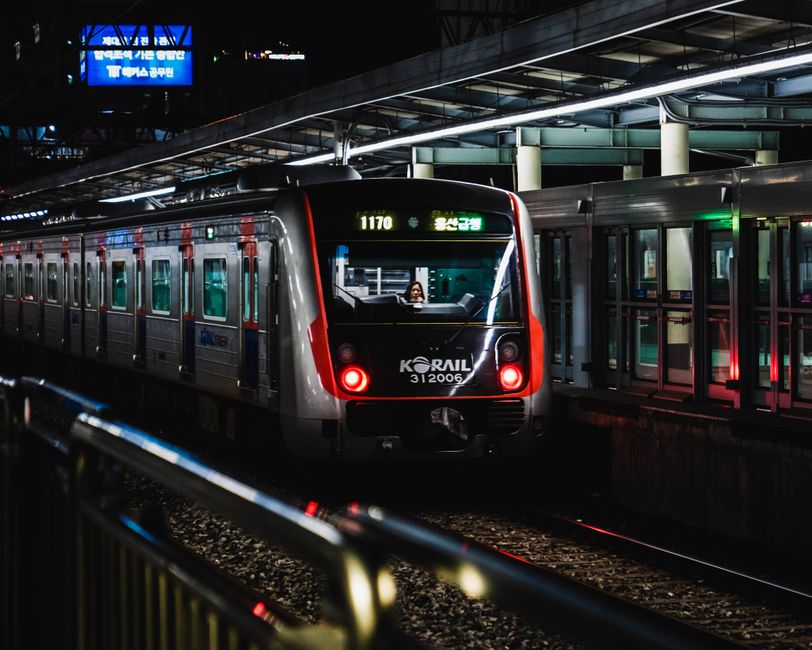
The Seoul Metropolitan Subway is an extensive and efficient network serving the capital and its surrounding areas. It is often the fastest and most convenient way to get around the city, avoiding traffic congestion. With numerous lines, it connects virtually every major attraction, business district, and residential area.
Purchasing a T-Money card is highly recommended for using the subway and buses. This rechargeable smart card can be bought at convenience stores and subway station kiosks. T-Money offers discounted fares compared to single-journey tickets and saves the hassle of buying individual tickets for each ride. You can also use your credit card with a transportation function if it’s enabled for NFC payments.
Understanding the subway map is crucial. Each line is color-coded and numbered, making it relatively easy to navigate. Station names are displayed in Korean and English, and announcements are made in both languages as well. Remember to check the operating hours, as trains typically run from around 5:30 AM to midnight.
Essential Seoul Subway Tips
- Always have your T-Money card ready for quick tap-and-go entry.
- Pay attention to the exit numbers; they often correspond to specific landmarks or street addresses.
- During peak hours, be prepared for crowded trains. Consider standing near the doors for easier boarding and alighting.
- Elderly or disabled passengers are provided priority seating, typically marked with blue color.
Mastering the Korean Bus System
Beyond the Subway: The Ubiquitous Bus Network
South Korea’s bus system complements the subway network, extending coverage to areas not directly served by rail. Buses are generally clean, well-maintained, and operated by professional drivers. There are different types of buses, including city buses, village buses, and intercity buses, each catering to different travel distances and purposes.
City buses are identified by numbers and colors, with different color schemes often indicating their route or service area. You can use your T-Money card for payment, tapping it on the reader when boarding. Some older buses might still require exact change, so it’s wise to carry some Korean Won in small denominations.
For intercity travel, express buses and intercity buses offer a comfortable and economical way to reach different cities. These can be booked in advance online or purchased at bus terminals. The Korea Transportation Safety Authority (KOTSA) regularly monitors bus safety and performance, ensuring a reliable travel experience.
Bus Travel Best Practices
- Use navigation apps like Naver Maps or Kakao Maps to find bus routes and real-time arrival information. These apps are indispensable for navigating public transportation in Korea.
- Listen for announcements or check the digital displays for your destination.
- Signal your intention to alight by pressing the bell button before your stop.
- Be mindful of rush hour, as buses can be delayed due to traffic.
Intercity and High-Speed Rail: Connecting the Nation
KTX: Korea’s Bullet Train Experience
For longer distances, the Korea Train eXpress (KTX) is the premier choice. Operated by Korail, the national railway operator, KTX trains are high-speed, comfortable, and connect major cities like Seoul, Busan, Daegu, and Gwangju in a fraction of the time compared to conventional trains or buses. A single journey from Seoul to Busan, for instance, can take as little as 2.5 hours.
Booking KTX tickets is straightforward. You can reserve seats online through the Korail website or app, or purchase them directly at train stations. It’s advisable to book in advance, especially during holidays or weekends, as popular routes can sell out quickly. The cost of a KTX ticket varies depending on the destination and class of service. For example, a one-way ticket from Seoul to Busan typically ranges from 50,000 to 60,000 KRW.
Other Rail Options
Beyond the KTX, Korail also operates slower but more economical conventional trains like the Saemaeul-ho and Mugunghwa-ho. These are excellent options for budget travelers or for reaching smaller towns not served by the KTX. The journey might take longer, but they offer a more scenic route and a glimpse into rural Korea.
Tips for a Seamless Travel Experience
Leveraging Technology for Navigation
Navigation apps are your best friend when using public transportation tips Korea. Naver Maps and Kakao Maps are the most popular and accurate mapping services in South Korea. Google Maps has limited functionality for public transport directions within Korea. These apps provide real-time public transit information, route planning, estimated travel times, and even fare information.
Many apps also offer detailed information about transfers between subway lines and bus routes, making complex journeys much simpler. You can also check the operating status of services and potential delays. The availability of English language options within these apps significantly aids foreign travelers.
Understanding Fares and Payment
As mentioned, the T-Money card is the most convenient payment method for most public transport. It can be topped up at convenience stores, subway station machines, and even some bus terminals. The base fare for a subway ride is typically around 1,250 KRW, and for buses, it starts around 1,200 KRW. Transfers between subway and bus within a certain time frame (usually 30 minutes) are often free or discounted.
For long-distance travel on KTX and intercity buses, cash or credit card payments are accepted. Many stations and terminals also have self-service kiosks for ticket purchases, which usually support multiple languages.
Etiquette and Safety
South Korea’s public transportation is known for its safety and orderliness. However, respecting local customs is always appreciated.
Priority Seating: Always offer your seat to the elderly, pregnant women, or passengers with disabilities. These seats are clearly marked.
Noise Levels: Keep conversations on mobile phones brief and at a low volume, especially on crowded trains and buses. Eating and drinking are generally permitted but avoid messy foods.
Queuing: Always queue politely when boarding and alighting. Do not push or shove.
Cleanliness: Keep the public spaces clean. Dispose of your trash properly in designated bins.
Comparison of Public Transportation Modes
To further illustrate the choices available, here’s a comparison of the primary public transportation modes in Korea:
| Mode | Best For | Pros | Cons | Typical Fare Range (Short/Medium Distance) |
|---|---|---|---|---|
| Seoul Subway | Intra-city travel in Seoul and major metropolitan areas. | Fast, punctual, extensive network, avoids traffic. | Can be crowded during peak hours, requires some map reading. | 1,250 KRW – 2,000 KRW |
| City Bus | Reaching areas not covered by subway, shorter distances within cities. | Wide coverage, frequent services, affordable. | Subject to traffic delays, can be less intuitive than subway for tourists. | 1,200 KRW – 1,800 KRW |
| KTX (High-Speed Train) | Inter-city travel between major Korean cities. | Extremely fast, comfortable, efficient, scenic. | More expensive than buses, requires advance booking for popular routes. | 30,000 KRW – 100,000 KRW (depending on distance) |
| Intercity Bus | Inter-city travel, especially to smaller towns or destinations not served by KTX. | Economical, extensive network, comfortable. | Slower than KTX, subject to traffic. | 15,000 KRW – 50,000 KRW (depending on distance) |
Final Public Transportation Tips Korea Checklist
To summarize, here are the most crucial public transportation tips Korea that will make your travels effortless:
- Obtain a T-Money card upon arrival and keep it topped up.
- Download and familiarize yourself with Naver Maps or Kakao Maps.
- Check train and bus schedules in advance, especially for long-distance travel.
- Be aware of peak travel times and plan accordingly.
- Respect local etiquette and maintain a considerate attitude.
- Keep small change handy for situations where card payment might not be feasible.
- Don’t hesitate to ask for help if you are unsure; Koreans are generally very helpful to tourists.
With these public transportation tips Korea, you are well-equipped to explore the beauty and culture of South Korea with confidence and ease. Enjoy your journey!
🔗 Public transportation tips Korea 연관 인기 가이드
- ✨ Public transportation tips Korea Extensive Industry Report
- ✨ Public transportation tips Korea Extensive Industry Report
- ✨ Public transportation tips Korea Extensive Industry Report
- ✨ Public transportation tips Korea Extensive Industry Report
- ✨ Public transportation tips Korea Extensive Industry Report
- ✨ Public transportation tips Korea Extensive Industry Report
📚 References & Official Sources
❓ Frequently Asked Questions
What is the best way to pay for public transportation in Korea?
The most convenient way to pay for public transportation in Korea is by using a T-Money card, a rechargeable smart card available at convenience stores and subway stations.
Is public transportation in Korea safe?
Yes, South Korea’s public transportation system is considered very safe, clean, and efficient, with a low crime rate and well-maintained infrastructure.
How can I find routes and schedules for public transport in Korea?
You can use navigation apps like Naver Maps or Kakao Maps, which provide real-time route planning, schedules, and fare information for subways and buses in Korea.